Does Bread Cause Bloating?
If you suffer from irritable bowel syndrome, Crohn's disease, celiac disease and fructose malabsorption, you likely experience abdominal bloating. Consult your doctor, especially if your bloating is accompanied by abdominal pain, cramping, flatulence, diarrhea or constipation. Bread contains both fructans and gluten, two elements that could be responsible for your bloating.
Fructans
Breads made from wheat or rye are rich in fructans, a molecule made from a chain of fructose. If you have fructose malabsorption, your body does not effectively digest and absorb fructan-containing foods, which also include:
- onions
- garlic
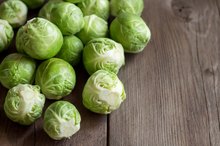
- Brussels sprouts
- watermelon
As a result, bacteria in your colon ferment the fructans, creating gas. Extra water and gas present in your intestines induce bloating in addition to abdominal discomfort, pain, cramping and changes in the regularity or consistency of your bowel movements.
- Breads made from wheat or rye are rich in fructans, a molecule made from a chain of fructose.
- If you have fructose malabsorption, your body does not effectively digest and absorb fructan-containing foods, which also include: * onions
* garlic
* Brussels sprouts
* watermelon As a result, bacteria in your colon ferment the fructans, creating gas.
Gluten
What Causes Abdominal Bloating After Eating?
Learn More
Gluten is a protein found in breads containing wheat flour, rye flour and barley flour. Bloating is a common symptom of gluten-intolerance.
Testing for Intolerance
If eating bread makes you feel bloated, consult your doctor and mention your observations. Ask to be tested for celiac disease, gluten intolerance and fructose malabsorption to help you determine whether gluten or fructans are responsible for your bloating and other gastrointestinal symptoms 1. Some people may be intolerant to both fructans and gluten. Whether your problem is due to fructans or gluten, eliminating certain foods may help prevent bloating.
- If eating bread makes you feel bloated, consult your doctor and mention your observations.
Eliminating Problematic Foods
Digestive Enzymes & Stomach Bloating
Learn More
Once you and your doctor have pinpointed the cause of your bloating, consult with a registered dietitian to help you eliminate problematic foods from your diet. She will ask you to keep track of everything you eat and help you determine which foods contain ingredients that you don't tolerate.
Related Articles
What Causes Abdominal Bloating After Eating?
Learn More

Digestive Enzymes & Stomach Bloating
Learn More

Gluten-Free Diet for Ulcerative Colitis
Learn More

Fructose Malabsorption & Alcohol
Learn More

Diet for Diarrhea With Bloating
Learn More

Why Does Bulgur Wheat Cause Bloating?
Learn More
Foods to Avoid to Prevent Bloating
Learn More

Abdominal Pain & Diarrhea After Eating Salsa
Learn More
Bloating After Eating Carbs
Learn More
How to Get Rid of a Bulging Stomach
Learn More
References
Writer Bio
Aglaee Jacob is a registered dietitian. She has experience working with people who have diabetes, cardiovascular disease, hypertension and obesity issues. Jacob obtained a bachelor of science and a master of science, both in nutrition, from Laval University in Quebec City, Canada.