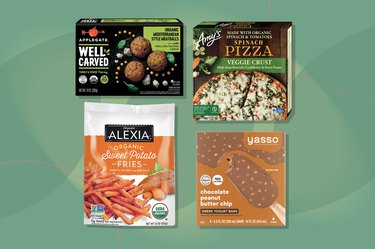
It's time to warm up to the idea of spending more time in the frozen foods section of your grocery store. Frozen foods are often thought of as less nutritious than their fresh counterparts or just plain unhealthy altogether (think: pizza, fries, dinners) — but in many cases, this just isn't true.
"Research shows when chosen wisely, frozen foods can be just as healthful, if not more so, than their fresh counterparts," explains Patricia Bannan, RDN, author of From Burnout to Balance. "Frozen fruits and vegetables are usually flash-frozen at their peak of ripeness, locking in key nutrients. In comparison, nutrients in fresh produce are often reduced due to transit time and/or sitting in a supermarket or in your kitchen before they are consumed."
Video of the Day
Video of the Day
Bannan is also a fan of frozen foods because they can help you save money on your grocery bill. Not only do they cost less than fresh, but they also have a much longer shelf life than their fresh alternatives.
But there are a few things to note when shopping in the frozen foods section. "For those looking to stock their freezer with nutritious convenience items, a good starting point is checking ingredient lists and finding items most similar to a recipe that can be made from scratch at home if you had time. For full meals, it's helpful to ensure you're getting a moderate amount of protein and fiber to promote fullness," says Kelly Jones, RD, CSSD, a sports dietitian and founder of Student Athlete Nutrition.
So what should you try to avoid? According to Jones, the big item is sodium — while it's expected that frozen food will have a decent sodium content, you want to be sure you're considering the amount in what you'd eat versus a serving. Some packages may seem like a personal size but there are actually two servings in the container.
So the next time you head to the grocery store, spend some time in the freezer section. We're sharing our 30 favorite frozen foods, including breakfast and dessert items and lunch and dinner meals.
1. Pitaya Frozen Bite-Sized Fruit
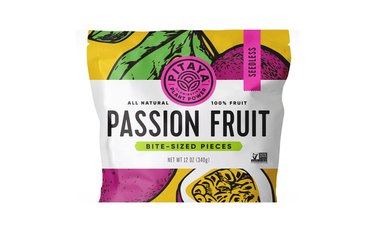
Per 5 ounces, Dragon Fruit: 85 calories, 0.5 grams fat (0 grams saturated fat), 20 grams carbohydrates (5 grams fiber, 16 grams sugar, 0 grams added sugar), 1 milligram sodium, 1 gram protein
Enjoy tropical fruits (read: acai, dragon fruit, passion fruit and coconut) year-round with these convenient bite-sized frozen fruit pieces. Toss them in a smoothie, oats or even a cocktail. The brand also features smoothie packs and powders. There's no added sugar and they're loaded with vitamins, minerals and other nutrients.
Buy it: Fresh Direct; Price: $4.99
2. Kodiak Cakes Buttermilk & Vanilla Protein-Packed Power Waffles
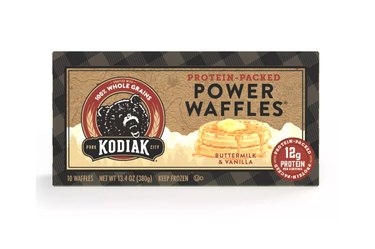
Per 2 waffles: 240 calories, 11 grams fat (1 gram saturated fat), 24 grams carbohydrates (3 grams fiber, 7 grams sugar, 6 grams added sugar), 280 milligrams sodium, 12 grams protein
Waffles are traditionally made with refined flour and lack protein, leaving the breakfast meal a little lopsided, aka carb-heavy. This is especially true when they're topped with syrup or whipped cream. Kodiak Cakes create a more balanced base with these whole-grain waffles featuring whey protein. Top these with fresh fruit or spread with nut butter and enjoy on your way out the door.
Buy it: Target; Price: $4.99
3. Daily Harvest Cacao and Avocado Smoothie

Per half-container serving (without milk): 285 calories, 20 grams fat (8 grams saturated fat), 25 grams carbohydrates (7 grams fiber, 14 grams sugar, 0 grams added sugar), 80 milligrams sodium, 11 grams protein
"Since Daily Harvest started as a smoothie service, many people don't realize they offer many other items, such as grain bowls and flatbreads," Jones says. Still, the smoothies stand out because they pack so many nutritious ingredients into a delicious on-the-go option.
"My favorite smoothie is the Cacao and Avocado, which also has zucchini, pumpkin seeds, dates and coconut. I blend it with soy milk to bring it to almost 30 grams of protein and often split it with my son for a light breakfast or filling snack."
Buy it: Daily Harvest; Price: $7.99
4. Caulipower Sweet Potato Slices
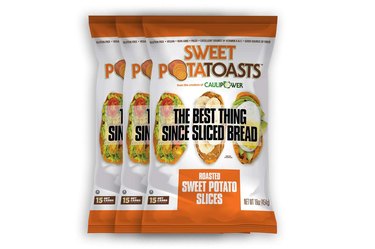
Per 1 to 3 slices (85 grams): 80 calories, 0 grams fat (0 grams saturated fat), 18 grams carbohydrates (3 grams fiber, 6 grams sugar, 0 grams added sugar), 30 milligrams sodium, 2 grams protein
Take your toast up a notch in the mornings with these roasted sweet potato slices. Top with avocado and an egg or try nut butter with sliced fruit. Buying them presliced, precooked and in the frozen food section saves you time and cuts down on any potential food waste.
Buy it: Amazon; Price: $44.95 (for 3 bags)
5. Cascadian Farms Frozen Harvest Berries
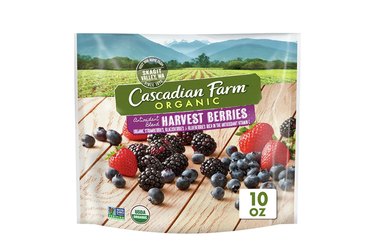
Per 1 cup: 60 calories, 0 grams fat (0 grams saturated fat), 15 grams carbohydrates (4 grams fiber, 10 grams sugar, 0 grams added sugar), 0 milligrams sodium, <1 gram protein
Fresh berries are great, especially in the summer — but they spoil quickly. Bannan has a remedy for that: "Frozen berries are much less expensive than fresh, and you don't have to worry about seasonality or how fast they perish." They're also loaded with nutrients. "Berries provide vitamin C to help stabilize mood, prebiotic fiber for gut health and flavonoids to help regulate mood," Bannan says.
Buy it: Instacart; Price: $5.79
6. Sweet Earth Big Sur Breakfast Burrito Vegan Frozen Burrito
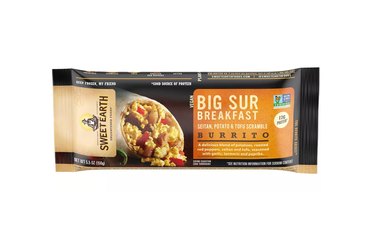
Per burrito: 330 calories, 6 grams fat (0 grams saturated fat), 51 grams carbohydrates (1 gram fiber, 2 grams sugar, 0 grams added sugar), 550 milligrams sodium, 17 grams protein
Pressed for time in the morning but still trying to get a balanced breakfast? Here's the solution. This handheld burrito means you can take it on the go and the best part is, it's ready in less than 3 minutes in the microwave. Pair with fruit like a cup of berries or an apple for added nutrients and a fiber boost.
Buy it: Target; Price: $2.99
7. Dr. Praeger’s Sweet Heat Beet Burgers
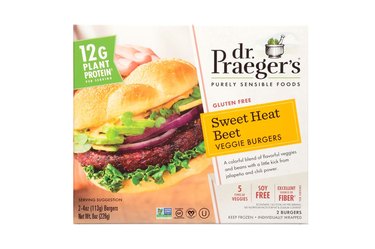
Per burger: 240 calories, 13 grams fat (2 grams saturated fat), 17 grams carbohydrates (7 grams fiber, 6 grams sugar, 2 grams added sugar), 530 milligrams sodium, 12 grams protein
Jones loves these burgers because they pack in whole plant foods and protein, while most plant based-burgers lack one or the other (nutrients or protein). "The first ingredient is beets, which are blended with a variety of beans, collard greens, pea protein and a variety of seasonings. They offer 12 grams of protein per patty, which I suggest enjoying between two slices of a protein-rich whole-grain bread so you have an easy meal with over 20 grams of the nutrient."
Buy it: Instacart; Price: $6.39
8. Tattooed Chef Veggie Hemp Bowl
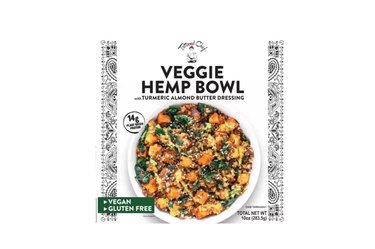
Per bowl: 330 calories, 15 grams fat (1.5 grams saturated fat), 40 grams carbohydrates (8 grams fiber, 7 grams sugar, 2 grams added sugar), 260 milligrams sodium, 12 grams protein
Jones is a fan of this vegan offering from the Tattooed Chef. "It packs in plenty of nutrient-rich produce along with 12 grams of plant protein. The easy addition of some frozen shelled edamame provides more energy and protein for lasting satiety. If you want to enjoy it and aren't vegan, add a chopped hard-boiled egg or leftover chicken to bulk it up."
Buy it: Target; Price: $4.29
9. Jack and Annie’s Crispy Jack Nuggets
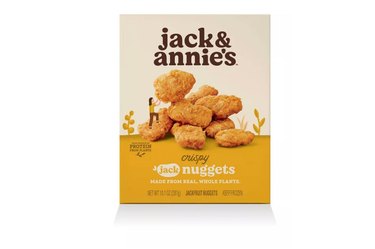
Per 4-nugget serving: 170 calories, 8 grams fat (1.5 grams saturated fat), 19 grams carbohydrates (5 grams fiber, 1 gram sugar, 0 grams added sugar), 400 milligrams sodium, 6 grams protein
Skip the fast-food drive-thru line and get yourself some of these plant-based nuggets instead. They are much lower in calories and contain almost half the fat (both total and saturated fat). These crispy nuggets of goodness are also plant-based — the first ingredient is jackfruit — making them an excellent choice for anyone looking to eat less meat.
Buy it: Target; Price: $4.99
10. Amy's Greek Spanakopita Wrap
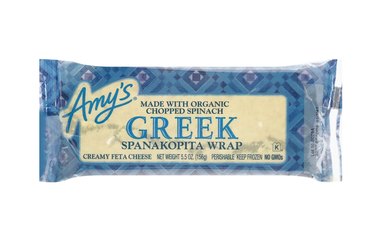
Per 1 wrap: 300 calories, 13 grams fat (4 grams saturated fat), 34 grams carbohydrates (4 grams fiber, 3 grams sugar, 0 grams added sugar), 810 milligrams sodium, 12 grams protein
Breakfast, lunch or dinner, this spanakopita wrap fits the bill. It's well-balanced with carbs, protein, and fat. Add fruit for breakfast, or a side salad for lunch or dinner. Feta and ricotta cheeses give this a creamy and satisfying flavor along with chopped spinach, scallions, and garlic.
Buy it: Instacart; Price: $4.49
11. Daring Foods Lemon & Herb Plant-Based Chicken
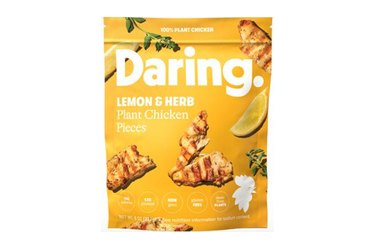
Per 2.5 ounces: 100 calories, 2 grams fat (0 grams saturated fat), 6 grams carbohydrates (4 grams fiber, <1 gram sugar, 0 grams added sugar), 490 milligrams sodium, 13 grams protein
One feature that sets Daring's plant-based chicken options apart from the rest: The outside gets crispy like real chicken would, after sauteeing in a pan for just a few minutes. The texture and flavor are spot-on, too. This is a great option if you're cutting down on meat but miss the taste of chicken, or you just want to try something new.
Buy it: Fresh Direct; Price: $7.59
12. Real Food Super Food Crust
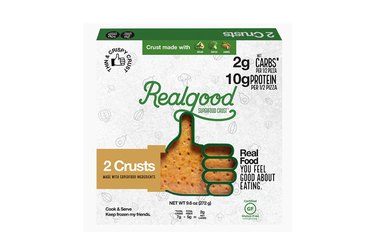
Per half-crust serving: 150 calories, 7 grams fat (2 grams saturated fat), 13 grams carbohydrates (2 grams fiber, 1 gram sugar, 0 grams added sugar), 150 milligrams sodium, 8 grams protein
There's good reason for featuring "superfood" in the naming of these crusts. The ingredients list features some good-for-you vegetables like broccoli, avocado (OK, technically a fruit), kale and peas. The crust also includes sorghum and almond flour, egg and mozzarella cheese.
Buy it: Real Good Foods; Price: $6.99
13. PrimeWaters Atlantic Salmon From Norway
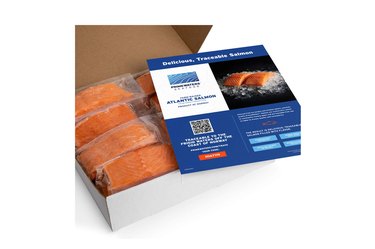
Per 5 ounces: 290 calories, 19 grams fat (3 grams saturated fat), 0 grams carbohydrates, 70 milligrams sodium, 28 grams protein
"Frozen salmon fillets are budget-friendly and packed with DHA and EPA omega-3 fatty acids, as well as vitamin D and vitamin B12 to support mood, immunity and cognitive function. Choose options without breading or seasoning," Bannan says. "I love Norwegian salmon because it's sustainably raised and cared for under strict regulations."
Buy it: Amazon; Price: $99.99 (14-pack, 5-ounce pieces)
14. Birds Eye Whole Grain Brown Rice
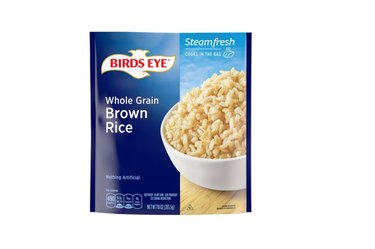
Per ¾-cup cooked: 240 calories, 1.5 grams fat (0 grams saturated fat), 53 grams carbohydrates (2 grams fiber, 0 grams sugar, 0 grams added sugar), 0 milligrams sodium, 5 grams protein
Save yourself some serious time (and extra dishes) by seeking out pre-cooked whole grains in the frozen foods section. "Cooking brown rice or other grains from scratch can be time-consuming. These frozen packets cook up perfectly in the microwave in three minutes or less, Bannan says. "A freezer staple for a quick high-fiber side dish or veggie bowl base. Options include organic brown rice, quinoa and flavored bean-and-whole grain blends."
Buy it: Walmart; Price: $1.00
15. Dorot Gardens Crushed Garlic & Ginger
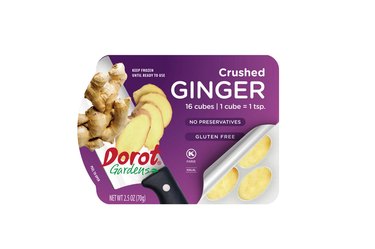
Per garlic: 0 calories, 0 grams fat (0 grams saturated fat), 0 grams carbohydrates, 0 milligrams sodium, 0 grams protein
If you're looking to save some time and money without sacrificing taste, try Dorot Gardens frozen herbs and spices. "Having both garlic and ginger pre-peeled and chopped is such a time saver that helps make the rush of weeknight dinner time a lot less stressful. These flavor boosters retain their nutrition and stay fresh for months," Bannan says.
Buy it: Instacart; Price: $3.73
16. Amy’s Spinach Veggie Crust Pizza
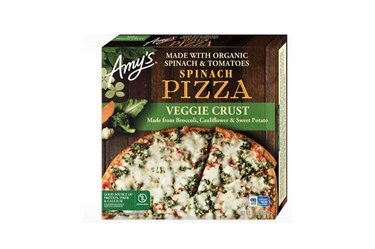
Per ⅓ pizza serving: 240 calories, 10 grams fat (4 grams saturated fat), 30 grams carbohydrates (3 grams fiber, 5 grams sugar, 2 grams added sugar), 270 milligrams sodium, 8 grams protein
This one makes the cut as one of the healthiest frozen pizzas because it's not only topped with veggies but packs vegetables into the crust as well. Cauliflower, broccoli and sweet potatoes help form the crust and it's topped with feta and part-skim mozzarella cheeses, which helps keep the saturated fat content down.
Buy it: Fresh Direct; Price: $8.99
17. Cascadian Farms Powered by Plants Farro, Sweet Potato, Black Beans and Spinach
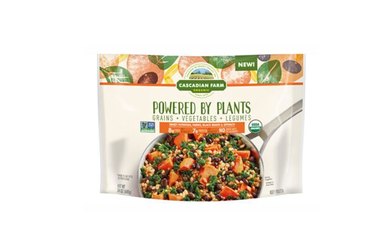
Per 1 cup, prepared: 170 calories, 0.5 grams fat (0 grams saturated fat), 32 grams carbohydrates (8 grams fiber, 3 grams sugar, 0 grams added sugar), 150 milligrams sodium, 7 grams protein
Three sides in one — and pre-cooked — saves you time and dishes. The ingredient list is super simple: sweet potato, cooked farro, black beans, spinach and salt. That's it! Because this includes vegetables and a whole grain, all you're missing is a lean protein. Try pairing with a piece of fish or chicken, or add cooked tofu to make a plant-based bowl dinner.
Buy it: Fresh Direct; Price: $7.99
18. Strong Roots Broccoli and Purple Carrot Bites
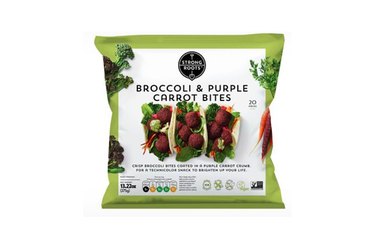
Per 3-bite serving: 105 calories, 3 grams fat (1 gram saturated fat), 16 grams carbohydrates (2 grams fiber, 1 gram sugar, 0 grams added sugar), 170 milligrams sodium, 1 gram protein
These crispy broccoli bites coated in a purple carrot crumb make it all that much easier to "eat the rainbow", aka, fill up on colorful produce. These would make the perfect side dish, a crispy pizza topping, or even a fun snack paired with a tasty dip.
Buy it: Fresh Direct; Price: $6.49
19. Applegate Organic Mediterranean Style Turkey & Veggie Meatballs
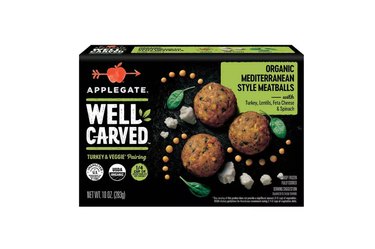
Per 3 meatballs: 140 calories, 7 grams fat (1.5 grams saturated fat), 8 grams carbohydrates (2 grams fiber, 1 gram sugar, 0 grams added sugar), 480 milligrams sodium, 13 grams protein
Frozen meatballs but elevated and healthier. Using ground turkey cuts down on saturated fat (compared to beef) and adding lentils and spinach boosts the fiber and protein content. Try them in a warm pita with tomatoes, cucumbers, onion and tzatziki for the full Mediterranean experience.
Buy it: Target; Price: $6.59
20. Amy’s Light & Lean Spinach Lasagna
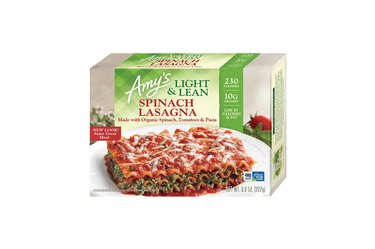
Per 1 tray: 230 calories, 6 grams fat (2 grams saturated fat), 34 grams carbohydrates, 4 grams fiber, 6 grams sugar, 0 grams added sugar), 540 milligrams sodium, 10 grams protein
Stuffing with spinach and cutting down on the amount of cheese is what makes this frozen lasagna meal a top pick nutritionally. The lasagna is a great place to start when it comes to creating a dinner meal but it is a little light. Try pairing with a side salad or vegetable and a couple of meatballs to add more energy and protein.
Buy it: Instacart; Price: $4.89
21. Green Giant Harvest Bowls Southwest Style
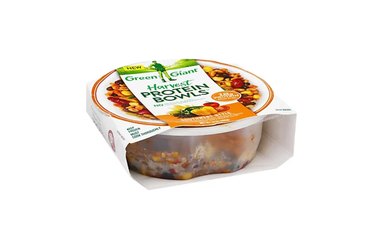
Per bowl: 260 calories, 3 grams fat (0 grams saturated fat), 49 grams carbohydrates (12 grams fiber, 7 grams sugar, 2 grams added sugar), 500 milligrams sodium, 12 grams protein
Love buddha bowls but hate buying all of the ingredients? Take a shortcut by starting with this harvest bowl and topping with a protein (tofu or sliced chicken), a healthy fat like avocado and a whole grain like brown rice or farro. Dinner (or lunch!) is served. Each bowl contains 12 grams of fiber — which is about half of your daily needs.
Buy it: In stores
22. Frontera Veggie Taco Bowl
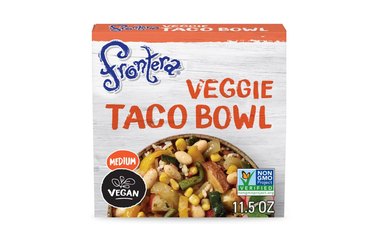
Per bowl: 270 calories, 3 grams fat (0 grams saturated fat), 51 grams carbohydrates (10 grams fiber, 8 grams sugar, 0 grams added sugar), 610 milligrams sodium, 9 grams protein
This healthy frozen food is on its way to a complete meal. Top with lean ground beef or chicken for added protein and top with avocado for extra staying power. The roasted tomatillo sauce adds a satisfying flavor to the grain and bean blend that make up the base of this bowl.
Buy it: Walmart; Price: $3.98
23. Evol Cilantro Lime Burrito
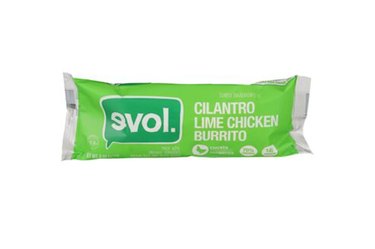
Per burrito: 320 calories, 10 grams fat (5 grams saturated fat), 41 grams carbohydrates (4 grams fiber, 2 grams sugar, 0 grams added sugar), 310 milligrams sodium, 14 grams protein
Add a piece of fruit or a side salad to add a little more oomph to your meal. Keep a stash in the freezer at work for days when you forget to pack a lunch or you just don't have the time. Skip the pizza and burger and enjoy this healthy frozen meal option instead.
Buy it: Fresh Direct; Price: $2.99
24. Path of Life Asian Wok Quinoa Blend
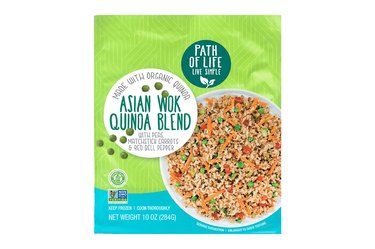
Per 1-cup serving: 150 calories, 5 grams fat (1 gram saturated fat), 23 grams carbohydrates (3 grams fiber, 2 grams sugar, 0 grams added sugar), 320 milligrams sodium, 4 grams protein
You'll be surprised by how quick it is to throw a meal together using this healthy frozen dinner option as a starting point. Top with cooked chicken, tofu or beans, and there you have it — dinner is served. The whole grains and veggies come already cooked and it's perfectly seasoned with ginger and garlic.
Buy it: Find a store near you here
25. Alexia Sweet Potato Fries
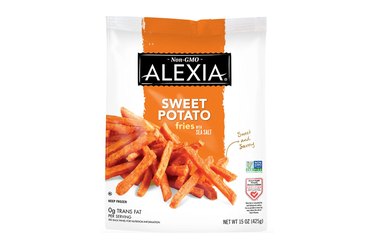
About 12 fries: 140 calories, 5 grams fat (0 grams saturated fat), 24 grams carbohydrates (3 grams fiber, 6 grams sugar, 0 grams added sugar), 140 milligrams sodium, 1 gram protein
Seasoned with just olive oil and sea salt, it doesn't get any simpler than this. Alexia makes some of the healthiest frozen sweet potato fries and they come in waffle and organic varieties as well. To make your dinner even easier, throw these in the oven with vegetables and then pair with a lean burger or chicken breast.
Buy it: Fresh Direct; Price: $4.49
26. Cascadian Farms Straight Cut Fries
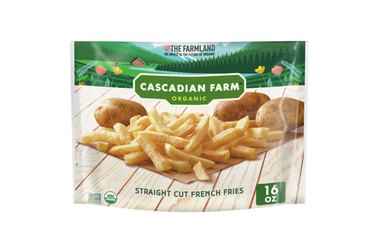
About 20 fries: 60 calories, 0 grams fat (0 grams saturated fat), 13 grams carbohydrates (1 gram fiber, 0 grams sugar), 15 milligrams sodium, 2 grams protein
These might be the healthiest frozen fries available. They're significantly lower in calories, fat and sodium compared to regular fries because they're baked. Keep a bag of these on hand in the freezer so the next time you have a fry craving, you'll have something healthy, yet satisfying, ready to go.
Buy it: Walmart; Price: $4.62
27. Applegate Turkey Burgers
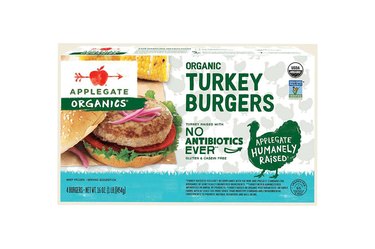
Per burger: 150 calories, 8 grams fat (1.5 grams saturated fat), 0 grams carbohydrates, 105 milligrams sodium, 20 grams protein
These turkey burgers are so nutritious (we think they're one of the healthiest frozen foods on the list) and versatile, you'll want to make them a part of your regular rotation. Pair with a whole grain bun for a delicious, well-rounded meal or to top a buddha bowl, adding extra protein.
Buy it: Find a store near you here
28. Bubbies Mochi
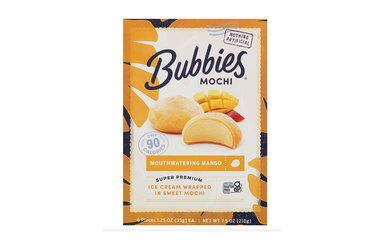
Per mochi, Alphonso Mango: 90 calories, 2.5 grams fat (2 grams saturated fat), 15 grams carbohydrates (0 grams fiber, 10 grams sugar, 9 grams added sugar), 10 milligrams sodium, 1 gram protein
Mochi is the perfect pre-portioned frozen treat. Bubbies' frozen filling has a premium taste and texture so you'll feel satisfied with each mochi. With just 90 calories each, you can toss the "lightened up" versions of desserts taking up space in your freezer and enjoy the real thing instead.
Buy it: Fresh Direct; Price: $6.99
29. Yasso Chocolate Peanut Butter
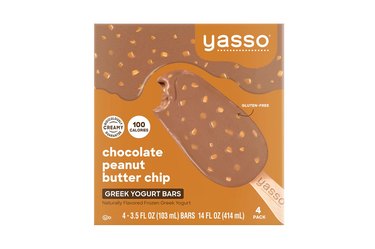
Per bar: 100 calories, 2.5 grams fat (1 gram saturated fat), 16 grams carbohydrates (1 gram fiber, 12 grams sugar, 9 grams added sugar), 75 milligrams sodium, 5 grams protein.
The creamy goodness in these Yasso bars comes from Greek yogurt, which not only ups the flavor and protein offerings, but it adds good-for-your-gut probiotics, too. Each bar is just 100 calories — perfect for an after-dinner snack. Yasso offers a variety of flavors of bars, along with ice cream sandwiches and mini "poppables."
Buy it: Yasso; Price: $35 (5-pack)
30. Eclipse Mint Chocolate Chip Ice Cream
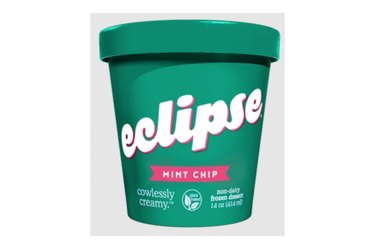
Per ⅔ cup serving: 340 calories, 22 grams fat (3 grams saturated fat), 31 grams carbohydrates (1 gram fiber, 23 grams sugar, 22 grams added sugar), 230 milligrams sodium, 4 grams protein
It's dairy-free ice cream but you'd never know. Each flavor is so rich whether you're scooping into a pint of Mint Chocolate Chip, Cookies n' Cream or Mango Passionfruit. Eclipse ice cream can be found nationally at many chain health-food stores for $6.99 and is also sold online direct (although the price is more expensive).
Buy it: Eclipse; Price: $11.99
- Today Health: Need a Quick Meal? Don’t’ Freeze Out Frozen Food; Elizabeth Somer; June 8, 2005
- “Fitness”; The Fitness 2010 Healthy Food Awards – The Best Frozen Foods; July/August, 2010
- Library of Congress: Who “Invented” the TV Dinner?
- Journal of Agricultural and Food Chemistry: "Vitamin Retention in Eight Fruits and Vegetables: A Comparison of Refrigerated and Frozen Storage"