HCG & Bodybuilding
Human chorionic gonadotropin, called hCG for short, is a hormone used by bodybuilders to improve results during anabolic-androgenic steroid use. The hormone is produced by the placenta of a pregnant female and is essential for healthy pregnancy in humans. The hormone may be derived from the urine of pregnant females or created in a lab using recombinant DNA.
Use
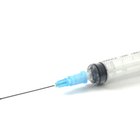
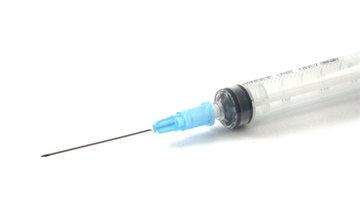
Some bodybuilders who use steroids also use hCG at the end of the steroid dosing cycle to increase testosterone production. Another use for hCG is to take it, via injection, in conjunction with a very low-calorie diet. Dr. Simeons, a British Physician who studied treatment for obesity, put forth the theory that a very low-calorie diet -- 500 calories per day -- along with hCG causes body fat, rather than muscle, to be burned for fuel.
Pros

How to Lose Weight While on Tamoxifen
Learn More
Male bodybuilders use hCG at the end of an anabolic-androgenic steroid cycle to prevent the breakdown of muscle tissue and to restore the testes to normal abilities. This often returns shrunken testes to their normal size. When used along with a very low-calorie diet, bodybuilders burn off that extra layer of fat over their muscles, giving them an extremely defined look. Females may also use hCG with a very low-calorie diet to burn off unwanted fat.
Cons
According to a 2004 study published in the "International Journal of Sports Medicine," anabolic-androgenic steroid and hCG abuse results in abnormal sperm production. Prolonged use of hCG may inhibit testosterone production. Severe calorie restriction may assist in weight loss, but as soon as the person increases food intake to regular levels, most weight that was lost is gained back. This method of weight loss does not teach a person to eat properly in order to avoid future weight gain.
Caution
How to Inject Testosterone Safely
Learn More
The FDA has not approved hCG for use as a diet aid. Prolonged restriction of calories may lead to malnutrition and organ damage. For women, taking hCG by injection may increase the risk of multiple pregnancy and may increase the chances of pregnancy. According to the National Drug and Research Centre-Australia, side effects include:
- acne
- tiredness
- hair loss
- breast development in men
- excessive fluid retention
Related Articles

How to Lose Weight While on Tamoxifen
Learn More
How to Inject Testosterone Safely
Learn More

How to Maintain Breast Size After Pregnancy
Learn More
How Do I Increase HCG Levels Naturally?
Learn More

Can You Lower FSH Levels With Health Foods & Herbs?
Learn More
Do Hormones Prevent You From Losing Weight After Having a Baby?
Learn More

The Role of hCG in Pregnancy
Learn More

The Effects of Eating the Wrong Foods While on HCG Drops
Learn More

Cholestasis Pregnancy Diet
Learn More

Pregnancy & Drop in hCG
Learn More

Rick Rockwell is a self-employed personal trainer and experienced freelance writer. His articles have been published throughout the Internet. He has more than eight years of experience as a certified personal trainer, group fitness instructor and lifestyle coach. His company, Rockwell Fitness, is dedicated to educating and empowering others to live healthy lifestyles.
