Tourette's syndrome, or TS, is a nervous system disorder characterized by involuntary sounds and movements called tics. These tics often occur when a Tourette's patient is feeling stressed, worried or fatigued. Many TS patients also have ADHD, depression, sleep disorders or anxiety. Certain vitamin, mineral and herbal supplements seem to help treat the tics associated with Tourette's. Talk to your health care practitioner before treating TS symptoms with any type of supplements.
B-Complex Supplements
Video of the Day
The Henry Spink Foundation suggests taking B-complex supplements to help treat tics because these vitamins work together to naturally tranquilize your nervous system. Look for vitamins that include niacin, folic acid and choline. The University of Maryland Medical Center, or UMMC, explains that niacin, also called vitamin B-3, helps your nerves function properly, while the folic acid, also called folate and vitamin B-9, promotes nervous system, emotional and mental health. The Linus Pauling Institute reports that choline influences the nerve impulse transmissions necessary for controlling muscles. B-complex supplements sometimes interact with other medications, so consult your physician before taking them.
Video of the Day
Magnesium
MedlinePlus notes that magnesium is an essential nutrient responsible for the contraction and relaxation of your muscles. According to an article published in the "Medicina Clinica" journal in November 2008, scientists discovered that magnesium supplements that also contain vitamin B-6 significantly reduces the number and intensity of tics in children with Tourette's without any adverse side effects. Future studies need to verify these results.
Omega-3 Fatty Acids
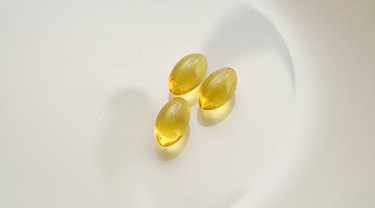
The Tourette Syndrome Association suggests consuming supplements of omega-3 essential fatty acids. This healthy fat seems to improve irritability and depression in TS patients, which can help them better manage the stress that can trigger tics. UMMC adds that omega-3 essential fatty acids are crucial for behavioral and brain functions, and can improve the hyperactivity and concentration levels in TS patients who also have ADHD. Fish oil capsules contain omega-3 fatty acids, but UMMC recommends that you buy supplements made only by reputable manufacturers who certify that their supplements contain no heavy metals.
American Skullcap
UMMC reports that American skullcap, or Scutellaria lateriflora, has long been used to treat mild convulsions and might help reduce the frequency and intensity of physical tics. American skullcap also seems to relieve anxiety, which often leads to both vocal and physical tics. American skullcap supplements come in liquid extract, tincture and powder forms. Do not use skullcap supplements if you take any type of prescription sedatives or diabetes-related medications, warns UMMC.
Considerations
The Henry Spink Foundation mentions that many Tourette's patients find that their tics worsen when they eat certain foods. Some foods that seem to trigger tics in TS patients include chocolate, caffeine, synthetic food additives and sugar. Foods that contain salicylates also cause tics in some patients. If you or a loved one lives with Tourette's, talk to your doctor about getting tests run for food allergies and sensitivities.
- The Henry Spink Foundation: Tourette Syndrome
- University of Maryland Medical Center: Niacin
- University of Maryland Medical Center: Vitamin B-9 (Folic Acid)
- Linus Pauling Institute; Choline; Jane Higdon, Ph.D.; November 2003
- Medline Plus: Magnesium in Diet
- "Medicina Clinica"; An Open Study Evaluating the Efficacy and Security of Magnesium and Vitamin B-6 as a Treatment of Tourette Syndrome in Children; R. Garcia-Lopez, et al.; November 2008
- University of Maryland Medical Center: Omega-3 Fatty Acids
- University of Maryland Medical Center: Skullcap