Probiotic bacteria supports a healthy digestive system, which helps problems such as belching and indigestion. Many common foods naturally contain probiotics or are enhanced with these healthful microorganisms. You may improve digestive problems, excessive burping and related issues such as diarrhea or constipation by adding probiotics to your diet and eating foods that support the good bacteria's growth.
Definition
Video of the Day
Your digestive tract is home to about 100 trillion bacteria, most of which reside in your colon, according to according to NBC LA. Over 400 species of bacteria reside in your digestive tract, some of which are good and some of which can harm you. You are prone to digestive problems if you do not have enough of the helpful microorganisms. Probiotics are good bacteria, commonly found in yogurt and other dairy products, that replenish your healthy bacteria levels, relieving digestive issues caused by the overpopulation of bad microorganisms.
Video of the Day
Belching and Indigestion
Belching and indigestion are two common signs of digestive problems that can indicate high levels of harmful bacteria in your colon, dietitian Debra Boutin advises. Other symptoms of bacteria imbalance include painful digestion, bloating, constipation and diarrhea. Problems with intestinal microorganisms can occur without an apparent reason, although such issues are often triggered by taking antibiotics to treat infections. The antibiotics kill some of the good bacteria.
Considerations
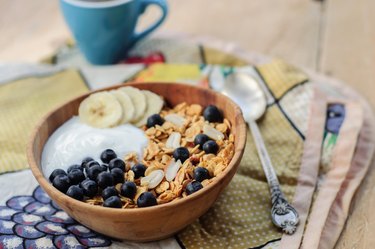
You can readily purchase yogurt, cottage cheese and other foods enhanced with digestive probiotics, but you need to support their growth in your colon by eating them along with prebiotic foods, according to Boutin. Prebiotics are foods that help good intestinal bacteria grow and establish colonies. Common prebiotics include onion, garlic, maple syrup, honey, berries and bananas. You can easily get the benefits of combining prebiotics and probiotics by adding berries, bananas, honey or maple syrup to your yogurt. Eat prebiotic and probiotic foods three to four times each week to maintain your digestive tract health. Prebiotics help you even if you do not take probiotic supplements because they support the good bacteria already present in your system.
Other Benefits
Probiotics are helpful for a variety of symptoms beyond belching and indigestion. These microorganisms may help treat and prevent urinary tract infections, irritable bowel syndrome, colds, flu, vaginal yeast infections, childhood eczema and certain intestinal infections.
Warning
Belching and indigestion may be signs of a more serious condition, rather than just a bacterial imbalance in your colon. See your doctor if you take probiotics and the symptoms do not disappear within a few weeks. Burping and an upset stomach could be signs of an ulcer or gastroesophageal reflux disease.