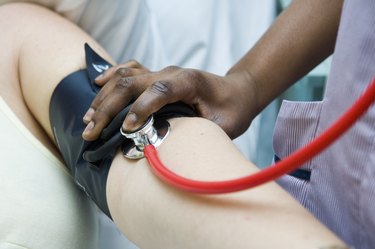
The best way to strengthen your heart and prevent cardiovascular problems is to make healthy lifestyle choices. Learning how to cope with stress is just as important for keeping your heart functioning optimally.
Eat for a Healthier Heart
Video of the Day
For a healthy heart, what you eat is important — but so is how much you eat. Maintaining a normal weight is one of the best things you can do for your health, says the American Heart Association (AHA).
Video of the Day
How many calories you should eat per day depends on several factors, including your age, sex and physical activity level. The USDA has an online chart to help you determine your daily recommended energy intake.
A January 2020 study in the International Journal of Cardiology looked at what you should be eating for heart health. Researchers compared a carbohydrate-rich diet (DASH diet), a high-protein diet and an eating plan rich in unsaturated fats. All three diets were low in cholesterol, sodium and unhealthy saturated fats while providing the recommended levels of nutrients.
All three diets reduced cardiac inflammation and heart cell damage within a six-week period. Changing the macronutrients (DASH diet versus a protein-rich diet, for example) didn't provide additional benefits for the heart.
The takeaway from this study is that it's important to eat a healthy and balanced high-fiber diet that offers plenty of high-antioxidant fruits and vegetables and lean meat. Avoid sweets, highly processed foods, sugary beverages and red meats.
Adults should also eat at least 8 ounces (or two 4-ounce services) of fish, like salmon or cod, per week, states the Mayo Clinic. These contain omega-3 fatty acids that may help reduce inflammation throughout the body and protect against heart disease.
Strengthen Your Heart With Exercise
Getting the right amount of exercise is crucial to help strengthen your heart. The AHA says that adults should get at least 150 minutes of moderate-intensity aerobic activity or 75 minutes of vigorous aerobic activity per week.
Knowing your target heart rate (check out this chart from the AHA) will help you track the intensity of your workout. With moderate activity, you should feel out of breath but still be able to talk. With vigorous activity, you will be sweating and may not be able to talk much without being short of breath.
The AHA recommends a combination of moderate-intensity and vigorous aerobic activity throughout the week. Add in muscle-strengthening exercises with weights at least two days a week.
Try to spend less time sitting and more time being active, as even light exercise can help your heart more than being sedentary. Park your car further away to help you take more steps or take the stairs instead of the elevator. Take your dog on an extra walk each day to benefit both you and your pet.
Make Heart-Healthy Lifestyle Changes
Stress can affect cardiovascular function by triggering inflammation, notes Harvard Health Publishing. They recommend finding healthy ways to manage stress, like taking up meditation, finding a hobby and keeping a positive mental outlook.
Laughter really is the best medicine as it has been shown to lower stress hormone levels, reduce inflammation in the arteries and increase good cholesterol. Watch a funny movie, see a comedy show or surround yourself with people who make you laugh.
It's important to get restful sleep for heart health. If you have been told you snore, consider getting tested for sleep apnea. The AHA reports that there is a strong relationship between sleep apnea, cardiovascular disease and hypertension.
Quitting smoking is one of the best things you can do to strengthen your heart. The USDA reports that 20 percent of all people who die each year from cardiovascular disease are smokers.
Lastly, exercise not only strengthens your heart by reducing blood pressure, but it also releases mood-boosting endorphins. Plus, it helps you maintain a healthy weight to put an extra pep in your step.
- American Heart Association: "The American Heart Association Diet and Lifestyle Recommendations"
- USDA: "Appendix 2. Estimated Calorie Needs per Day, by Age, Sex, and Physical Activity Level"
- International Journal of Cardiology: "Healthy Diet Reduces Markers of Cardiac Injury and Inflammation Regardless of Macronutrients: Results From the OmniHeart Trial"
- Mayo Clinic: "Omega-3 in Fish: How Eating Fish Helps Your Heart"
- American Heart Association: "Know Your Target Heart Rates for Exercise, Losing Weight and Health"
- Harvard Health: "5 Ways to De-Stress and Help Your Heart"
- American Heart Association: "Sleep Apnea and Heart Disease, Stroke"
- U.S. Food and Drug Administration: "How Smoking Affects Heart Health"
Was this article helpful?
150 Characters Max
0/150
Thank you for sharing!
Thank you for your feedback!