Your pancreas is a small gland located behind your stomach near the upper portion of the small intestine known as the duodenum. Your pancreas functions as part of your endocrine system by producing the hormones insulin and glucagon vital for regulating your blood sugar, or glucose, levels. Exocrine cells in the pancreas, called the acinar cells, produce amylase enzymes to digest carbohydrates, lipase enzymes to digest fat and protease enzymes to digest protein.
Protein Digestion
Video of the Day
Dietary proteins are large molecules consisting of small amino acids linked together in chains. During the process of digestion, enzymes in your stomach and small intestines break down the protein into the individual amino acids that the cells lining your small intestine can absorb. Pepsin, an enzyme produced by the cells lining the stomach, begins to break down protein molecules, but protease enzymes produced by the pancreas perform the majority of the digestion. Eating a high-protein diet increases the need for these pancreatic enzymes, causing the pancreas to work harder.
Video of the Day
Protein and Fat
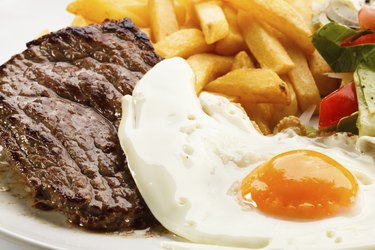
High-protein diets not only restrict your consumption of carbohydrates, which can contribute to the onset of malnutrition since carbohydrates contain essential vitamins and minerals, but also promote the consumption of high-fat foods like red meat and full-fat dairy products. A high-fat diet increases the need for lipase, an enzyme produced by the pancreas necessary for the breakdown of dietary fat. A high-protein diet with added fat puts more strain on the pancreas by forcing it to work harder. Doctors, therefore, encourage patients with pancreatic diseases, like pancreatic cancer or pancreatitis, to consume a low-fat diet to reduce the stress on the pancreas.
Pancreatic Disorders
Pancreatic disorders can inhibit your pancreas' ability to function adequately. Pancreatitis, inflammation of the pancreas, causes the enzymes produced by the pancreas to remain inside the pancreatic cells, which damages the tissue. Pancreatitis can occur as an acute disease, rapid onset, causing symptoms such as nausea, vomiting, abdominal pain, fever and rapid pulse. Chronic pancreatitis, inflammation that occurs over time and does not heal, causes similar symptoms with nausea and vomiting, but the decrease in nutrient absorption leads to long-term complications including malnourishment, fatigue, prolonged diarrhea and weight loss. Pancreatic cancer can also inhibit function, causing high-protein diets to add even more strain to the dysfunctional pancreas.
Ketosis
Advocates of high-protein diets tout them as a weight-loss solution. Despite the fact that many high-protein diets encourage consuming more fat, the significant decrease in carbohydrate intake can promote short-term weight loss. Carbohydrates consist of sugar molecules and serve as the main source of energy for your body. Without carbohydrates, your pancreas produces more glucagon to release energy stored in fat cells. The chemical reactions to breakdown fat cells produce an acidic by-product known as a ketone. The buildup of ketones causes ketosis, a condition associated with a loss of appetite, nausea and fatigue. In addition to increasing strain on the pancreas, high-protein diets increase your risk for kidney dysfunction and heart disease. In contrast, the Institute of Medicine recommends carbohydrates account for 45 to 65 percent of your daily calories, protein 10 to 35 percent and fat 20 to 35 percent to support good health.
- Cancer Research UK: Diet and Pancreatic Cancer
- Mayoclinic.com: High Protein Diets – Are They Safe?
- Advanced Medical Nutrition: Pancreatic Disease
- Colorado State University: Exocrine Secretions of the Pancreas
- National Digestive Diseases Information Clearinghouse: Your Digestive System and How It Works
- National Digestive Diseases Information Clearinghouse: Pancreatitis
- Institute of Medicine: Dietary Reference Intake – Macronutrients