
Digestion is one of your body's most important functions, and one that should occur without conscious awareness of its routine functioning. When digestion is not working properly, however, there is cause for concern. Constipation -- especially chronic constipation -- can lead to a host of problems that include fatigue, food sensitivities, bloating, migraines, bad breath, nutritional malabsorption and disease. Poor digestion is not normal and you should not accept it as such. A healthy person should be excreting waste at least once daily.
Causes of a Slow Digestive System
Video of the Day

Various things can cause slow digestion, such as eating processed foods, having too much stress and getting too little exercise. If your diet is low in fibrous plant foods and water or if you consume a lot of junk foods, and a lot of meat and dairy -- these can slow your digestion. Or, if you get inadequate exercise and have high levels of stress, eat at irregular times, take iron supplements, painkillers and antidepressants, or if you are pregnant -- these can also cause slow digestion.
Video of the Day
Good, Good, Good…Good Hydration

Start the day with a mug of warm water and the juice of one quarter to one half of a lemon. The lemon juice stimulates the liver to produce bile, which is needed for efficient digestion. A tablespoon of apple cider vinegar or a few teaspoons taken throughout the day can also work wonders. Both activate digestive juices, which prepares the body for food intake and helps break down and flush out unwanted waste that has built up in the digestive tract. Water is necessary for flushing the intestines, for softening stool and for preventing constipation.
Unprocessed Plant Foods

Fiber is found in plant foods, such as vegetables, fruits, beans, lentils, whole grains, nuts and seeds. Soluble fiber softens stools while insoluble fiber adds bulk, stimulates bowel contractions and helps food pass through the intestines. The more refined or processed a food becomes, the less fiber it contains. A large amount of the fiber is found in the skins and peels of foods. Drink plenty of water, along with your fibrous foods to prevent cramping and gas, and to help them move through the digestive tract.
Meal Timing and Regularity

Chew food thoroughly, as digestion begins in the mouth with the salivary glands. The more work that's done in the mouth, the less that's required of the stomach. Attempt to schedule meals around the same time every day, and enjoy them in a relaxed, comfortable environment. Prevent overeating by eating sensibly-sized portions, eating mindfully and by following the 80-percent rule. Stop eating when you feel 80 percent full, rather than when you reach the point of being uncomfortably stuffed. Getting good quality rest is also important, since much of digestion takes place during sleep.
Foods to Increase and Foods to Avoid
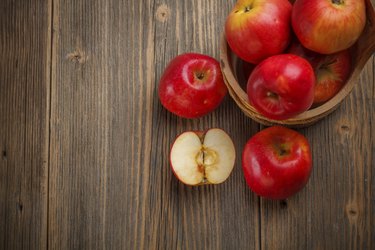
Avoid meat, alcohol, processed foods, fatty and fried foods, which slow metabolism, as do milk, cheese, and ice cream. Foods that help digestion are probiotics to establish and replenish beneficial gut bacteria, which include apples, avocados, asparagus, celery, berries, figs, artichokes, dark leafy greens, beets, Brussels sprouts, beans, oats and brown rice. Garlic, ginger, chamomile, fennel, parsley, coriander, cumin, turmeric and ground red pepper are helpful herbs and spices. You can also use aloe, castor oil, ground flaxseed and chia seeds to aid digestion. Generally, you should avoid caffeine, but if you drink it occasionally, it can stimulate the intestines and get things moving.
- Prevention Care.org: Foods, Digestion, Nutrients and Health
- EatRight.org: Academy of Nutrition and Dietetics; It's About Eating Right
- Cambridge Journals: British Journal of Nutrition; Fibre and Bowel Transit Times
- EatRight.org: Academy of Nutrition and Dietetics; Prebiotics and Probiotics: The Dynamic Duo
- EatRight.org: Academy of Nutrition and Dietetics; Ways to Boost Fiber
Is this an emergency? If you are experiencing serious medical symptoms, please see the National Library of Medicine’s list of signs you need emergency medical attention or call 911.