Anetlanda/iStock/Getty Images
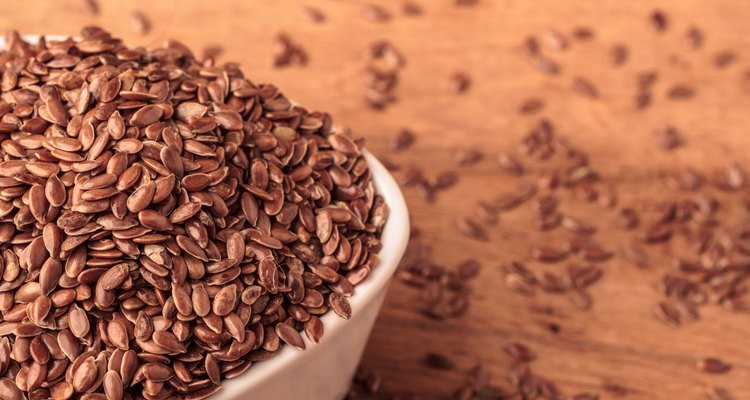
Flax is a versatile plant that is used to make a range of products, from soap and paper to medicine and dye. Many different parts of the flax plant can be used in the production of consumer goods, and the seeds are prized as a rich source of nutrition. Flaxseed can be good for men, although you may not find it to be ideal based on your personal nutritional needs.
Rich in Fiber
Flaxseed is rich in fiber, as each 1 tbsp. serving provides 2.8 g of dietary fiber. Dietary fiber is important for everyone, as it promotes digestive health and provides feelings of satiety. However, consuming fiber can be more of a priority for men, as the National Academy of Sciences recommends that men consume more fiber than women. For men 50 and under, 38 grams daily is the recommended intake, and if you're over 50 and male, aim for 30 grams daily.
Calorie-Dense
Flaxseed is calorie-dense, which is beneficial for men, who typically have higher calorie needs than women. Each 1 tbsp. serving of flaxseed provides 55 calories, which makes it more calorie-dense than many other types of foods, even sugar, which contains 35 calories per 1 tbsp. serving. It's calorie-dense properties come largely from its fat content -- fat contains more than twice the calories per gram than carbohydrates or protein. Flaxseed fats include omega-3 fatty aids, a type of fatty acid that promotes cardiovascular health.
Rich in Magnesium
Flaxseed is rich in magnesium, a mineral that is vital for your health because it helps regulate muscle and nerve function as well as the strength of your bones and immune system. Additionally, research from the April 2011 issue of the journal "Biological Trace Element Research" found that increased magnesium intake promoted increased levels of testosterone, the primary male hormone.
Rich in Calcium
Flaxseed is rich in calcium, a mineral that promotes bone strength, and that may also have specific benefits for men. A study published in the December 2008 issue of "Biological Trace Element Research" found that calcium could help promote increased testosterone levels.
Related Articles

Jevity Nutrition Information

How Much Whole Grain Should You Eat a ...
Golden Flax Seed Vs. Dark Flax Seed

Fat Grams in Cheese

Horsetail vs. BioSil

Are There Herbal Treatments for ...

Wheat Germ Vs. Flaxseed

What Are the Benefits of BioSil?

Ingredients in Hairfinity Vitamins

Provolone Cheese Nutrition Information
Is Allantoin a Relative of the Lanolin ...

Mineral Oil Vs. Olive Oil

Nutrition Information on Blueberries

Skin Care Products That Contain ...
Benefits of Green Tea Soap

Benefits of Shea Butter and Coconut Oil ...
Zinc Treatment for Rosacea

What Are the Health Benefits of ...

Aloe Vera & Seborrheic Dermatitis

Copper Peptides Side Effects
References
- USDA National Nutrient Database: Seeds, Flaxseed (1)
- Linus Pauling Institute: Fiber
- LIVESTRONG.COM MyPlate: Calories in Sugar
- National Institutes of Health Office of Dietary Supplements; Dietary Supplement Fact Sheet: Magnesium; July 2009
- "Biological Trace Element Research"; Effects of Magnesium Supplementation on Testosterone Levels of Athletes and Sedentary Subjects at Rest and After Exhaustion; V. Cinar et al.; April 2011
Writer Bio
Brian Willett began writing in 2005. He has been published in the "Buffalo News," the "Daytona Times" and "Natural Muscle Magazine." Willett also writes for Bloginity.com and Bodybuilding.com. He is an American Council on Exercise-certified personal trainer and earned a Bachelor of Arts in journalism from the University of North Carolina.
Photo Credits
Anetlanda/iStock/Getty Images