People with Tourette's syndrome experience uncontrollable tics, such as repeating a word, a sound or an action over and over. While there isn't a cure for this condition, some treatments are available to help minimize these involuntary tics. Research is still in the preliminary stages, but eating certain foods while avoiding others may be beneficial for people with Tourette's syndrome.
Foods with Magnesium and Vitamin B-6
Video of the Day

Children given supplemental magnesium and vitamin B-6 experienced improvements in their Tourette's symptoms in a preliminary study published in "Medicina Clinica" in November 2008. Foods high in magnesium include nuts, green leafy vegetables, legumes and whole grains. Vitamin B-6 is found in fish, starchy vegetables, noncitrus fruits, organ meats and fortified breakfast cereals.
Video of the Day
Foods with Omega-3 Fats
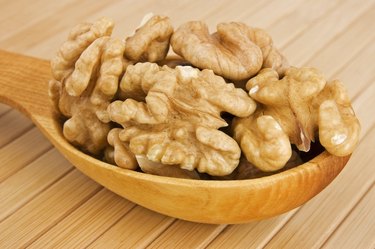
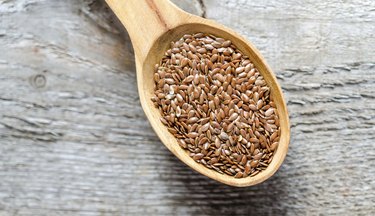
A preliminary study published in June 2012 in "Pediatrics" found that consuming 250 to 500 milligrams of omega-3 fats per day may help reduce tic-related impairment in kids with Tourette's. You can increase your intake of omega-3 fats by eating more fish, flaxseed and walnuts, and by cooking with canola oil. For example, a 3-ounce serving of shrimp has about 267 milligrams of omega-3 fats, while the same amount of wild Atlantic salmon contains 1,564 milligrams of these beneficial fats.
Foods to Avoid

Some foods seem to make tics worse, according to a study published in "Acta Paediatrica" in April 2008. These include foods containing caffeine, sweeteners and preservatives. Coffee, tea, cola, chocolate, sweets and many processed foods contain these ingredients, which can be difficult to avoid unless you cook from scratch using whole foods.
Other Considerations

There isn't a specific diet recommended for people with Tourette's syndrome. However, minimizing stress may help limit tics, according to an article published in "Psychiatry" in July 2005. A regular exercise program or seeing a therapist may help reduce stress. Medications may sometimes be helpful, but they can cause unwanted side effects. When they do work, they don't totally eliminate tics, but they may reduce the occurrence of severe or disruptive tics. Behavioral therapy can also help people with Tourette's better control their tics.
- Acta Paediatrica: The Influence of Different Food and Drink on Tics in Tourette Syndrome
- Centers for Disease Control and Prevention: Tourette Syndrome (TS)
- Psychiatry: Tourette Syndrome and Tic Disorders
- Pediatrics: A Double-Blind, Placebo-Controlled Trial of Omega-3 Fatty Acids in Tourette’s Disorder
- Medicina Clinica: An Open Study Evaluating the Efficacy and Security of Magnesium and Vitamin B(6) as a Treatment of Tourette Syndrome in Children
- Colorado State University Extension: Omega-3 Fatty Acids
- Office of Dietary Supplements: Magnesium
- Office of Dietary Supplements: Vitamin B6