Protein is often hailed as a muscle-building macronutrient, but even though you may know it can help you slim down, you're probably left wondering about the best protein for lean muscle gain and if it even makes a difference.
The answer is yes. Certain protein supplements, like whey protein and casein protein, are better than others when it comes to muscle gains; however, some experts think that the type of protein doesn't matter as long as you're getting enough of it during the day.
Video of the Day
Video of the Day
How Your Body Uses Protein
When you eat protein, your digestive system breaks it down into smaller components called amino acids. Your body then uses these amino acids to build new lean muscle. But all protein foods and protein supplements aren't created equal when it comes to amino acids.
Some are complete proteins, meaning they contain all of the amino acids your body can't make on its own (these are called essential amino acids), while others are incomplete proteins, which means they're missing some of those essential amino acids.
According to a February 2016 report published in the Journal of Nutrition, the amino acid composition of the protein makes a difference in which is the best for lean muscle gain. The report notes that different types of protein are digested and absorbed at different rates. That, along with the overall quality of the protein, determines how much effect the protein has on building and preserving lean muscle mass.
The Best Protein Powder
Whey, casein, beef and egg proteins are all animal-based complete proteins that absorb rapidly and cause an almost immediate increase in lean muscle mass after exercise. Of these protein sources, whey and casein proteins (with a slight edge on casein) seem to be the best source for building lean muscle mass because they're absorbed quickly and contain high amounts of specific types of amino acids called branched-chain amino acids, or BCAAs.
BCAAs, which include leucine, isoleucine and valine, are a special category of essential amino acids that help prevent the breakdown of muscle from a calorie-restricted diet or following exercise, which translates to an increase in lean muscle mass.
BCAAs may also help reduce muscle fatigue, allowing you to exercise longer and at a higher intensity, which helps you build lean muscle faster. Also, in addition to building lean muscle mass through high BCAA content, casein also appears to increase the amount of fat you burn following a workout.
On the other hand, plant-based protein sources, like hemp, soy and pea don't contain all of the essential amino acids, so they may be inferior to animal sources like whey or casein when choosing the best protein for lean muscle gain.
According to a report published in Amino Acids in August 2018, these plant proteins don't meet the World Health Organization's recommendation for daily essential amino acids, so if you opt for a plant-based source, you'll have to supplement with different types of protein to meet your daily needs.
Making a Protein Shake
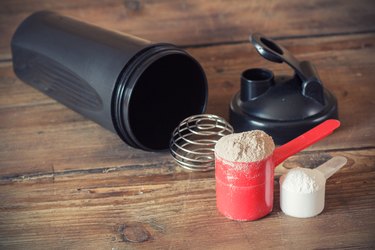
High-quality protein powders offer about 30 grams of protein per scoop. Many of these protein powders have added flavors and sweeteners so they taste good and you can simply mix them with water on the go. However, if you want to make your protein shake taste even better (and make it creamier), you can blend the protein powder with other high-quality ingredients.
Thomas W. Storer, Ph.D., director of the exercise physiology and physical function lab at Brigham and Women's Hospital, recommends consuming 1 to 1.3 grams of protein per kilogram of body weight and making a protein shake that has both protein and complex carbohydrates. You can mix the protein powder with a handful of berries, some spinach or kale, a little Greek yogurt and grass-fed milk or a nondairy milk alternative like almond milk or coconut milk.
Watch out for added sugar and artificial sweeteners, though. Although sugar adds carbohydrates to the shake, these types of simple sugars can raise blood sugar and insulin, which promotes fat storage instead of lean muscle gain. Choose protein powders that are sweetened with natural, no-calorie sweeteners, like stevia and monk fruit, instead.
Protein Supplements Timing and Frequency
In addition to the type of protein shakes you're drinking, you may also want to pay attention to the time and frequency of your protein consumption. A report published in Clinical Nutrition in December 2016 measured the effects of dosage and frequency of protein intake on both increasing lean muscle and maintaining muscle mass during the aging process.
Researchers found that consuming protein at least one to two times per day at dosages of around 30 to 45 grams per meal had the greatest connection to building lean muscle and improving muscle strength. At 45 grams of protein or more per meal, the results plateaued and there wasn't any additional benefit.
A different study published in Clinical Physiology and Functional Imaging in May 2017 added to this by reporting that consuming the protein at night may have even greater benefits than taking it earlier in the day. Using this research, it would make sense to infer that when you're including protein shakes in your diet, you'd want to find a highly digestible one offering between 30 and 45 grams per serving and make sure you're consuming a shake in the morning and in the evening, as well.
Read more: The 9 Best Post-Workout Foods
A Note on Resistance Training
Of course, it's important to note that protein, on its own, won't do much to help you build lean muscle. If you're sedentary, your body will simply store any excess calories as fat – even if those calories come from protein – instead of using it to build more muscle. That's why it's best to combine whatever type of protein supplements you choose with a regular routine of resistance or strength training exercises.
A report published in Sports Medicine in January 2015 notes that protein has little to no effect on lean muscle gain in people who don't work out or even in the first few weeks after beginning a new exercise plan. However, after the first few weeks, as a person becomes more consistent with exercise, supplemental protein can increase muscle growth and improve muscle strength.
In other words, you may not see or feel much benefit at first, but the longer you stick with it, the greater your results will be.
- Sports Medicine: "The Effects of Protein Supplements on Muscle Mass, Strength, and Aerobic and Anaerobic Power in Healthy Adults: A Systematic Review"
- Clinical Nutrition: "Per Meal Dose and Frequency of Protein Consumption Is Associated With Lean Mass and Muscle Performance"
- Clinical Physiology and Functional Imaging: "Protein Timing During the Day and Its Relevance for Muscle Strength and Lean Mass"
- The Journal of Nutrition: "Role of Ingested Amino Acids and Protein in the Promotion of Resistance Exercise—Induced Muscle Protein Anabolism"
- Harvard Health Publishing: "Preserve Your Muscle Mass"
- Journal of the International Society of Sports Nutrition: "Metabolic Impact of Protein Feeding Prior to Moderate-Intensity Treadmill Exercise in a Fasted State: A Pilot Study"
- Amino Acids: "Protein Content and Amino Acid Composition of Commercially Available Plant-Based Protein Isolates"
- Journal of the International Society of Sports Nutrition: "In a Single-Blind, Matched Group Design: Branched-Chain Amino Acid Supplementation and Resistance Training Maintains Lean Body Mass During a Caloric Restricted Diet"