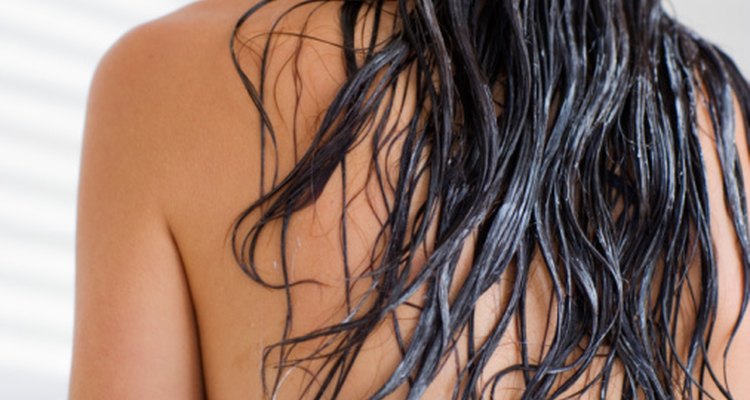
Extra virgin olive oil, or EVOO, is well known for its nutritious value, providing a healthy component to meals and recipes. It’s rich in biotin, niacin, vitamins A and E and antioxidants. Cold pressed EVOO is additive free and can be used to moisturize your skin and condition your hair. Use it as a hot oil treatment, a protective sealant, to treat dandruff and to add moisture to your scalp.
Ancient Beauty Treatment
According to NaturalSkincareSecrets.com, ancient Egyptians, Greeks, Romans and Phoenicians used olive oil as a beauty treatment to moisturize their skin and condition their hair. Many commercial hair products now contain olive oil, and hair-care manufacturers are recognizing the conditioning and therapeutic properties of this Mediterranean fruit oil. EVOO is free of harmful substances and additives and can be used in its raw form directly on your hair and scalp. Adding essential oil to EVOO can enhance a therapeutic treatment.
Hot Oil Treatment
An article published by DailyGlow.com highlights the benefits of using EVOO to condition the hair. Coauthor of "Naturally Beautiful: Earth’s Secrets and Recipes for Skin, Body and Spirit," Dawn Gallagher recommends EVOO to repair overprocessed and dry hair. A dry scalp can also benefit from a therapeutic hot EVOO treatment. Hot oil treatments work by penetrating the hair shaft and scalp to nourish and restore damage resulting from harsh chemical treatments and heated styling tools.
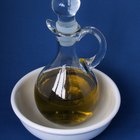
To do a hot oil treatment, transfer a little EVOO into a plastic bottle and place it in a bowel of hot water to heat. Test the oil on the inside of your wrist before applying to your scalp and hair. Massage the oil into your scalp and hair, then wrap your head with a heated towel or sit under a dryer for 15 to 30 minutes. Rinse your hair thoroughly and wash with mild shampoo. Style as usual.
Dandruff Treatment
According Medical News Today, approximately half the people in Europe and North America suffer from dandruff. It’s essential to keep your scalp clean to prevent dandruff and keep your hair healthy. Applying heated EVOO to your scalp can help clear dandruff. Massage the oil into your scalp and leave it to penetrate overnight. The oil will soften scaly dead skin, lifting it from your scalp for easy removal. EVOO also helps heal abrasions caused by itching. Make sure you wash your hair and scalp thoroughly after treating, to remove all traces of oil and dandruff from your hair and scalp. Consult your doctor if your dandruff does not respond to home treatments.
Scalp Massage Oil
EVOO contains vitamin A and E, both known for the regeneration and repair of skin cells. A healthy scalp is essential for healthy hair. Regular scalp massages with EVOO will increase circulation and help keep your scalp nourished and your hair in the best condition. Massage your scalp and leave in the oil for 30 minutes or overnight before washing with a mild shampoo.
Preshampoo Treatment
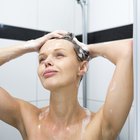
Shampoos can be very harsh and damaging to the hair, stripping it of vital oils that conditioning treatments are unable to restore. Using EVOO before you wash your hair as a preshampoo treatment can help your hair retain moisture. As a result, your hair will be more lustrous, shiny, soft and manageable.
Leave-in Moisturizer
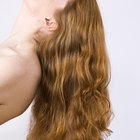
Dry, frizzy or overprocessed hair may be porous, lackluster and lose moisture rapidly. Applying EVOO to damp hair as a leave-in moisturizer can dramatically improve your hair’s condition. Moisture is locked into the hair shaft to help your hair retain its moisture balance throughout the day, leaving it soft and silky. Section your hair and apply a small amount from the roots to the ends. Style your hair as normal. EVOO is also useful in conditioning coarse gray hair, making it more manageable.
Related Articles

Benefits of Soybean Oil for Hair

Dry Hair Treatment With Canola Oil

Hair Growth Products for African ...
Homemade Treatments to Make Hair Thicker
How to Make Coarse & Curly Hair Soft
How to Deep Condition Extensions

How to Stop Your Hair From Looking Dry ...
Can You Use Castor Oil for Psoriasis on ...
Homemade Shea Butter and Olive Oil Hair ...
How to Control Frizzy Hair for ...
How to Make a Homemade Water-Based Hair ...
Lanolin Uses
How to Moisturize Natural Braids

How to Reduce Frizz in Permed Hair
How to Nourish the Scalp

Removal of Buildup in Dreadlocks
What Does Lemon Juice Do to Your Hair?
How to Condition Hair After Using a ...
Types of Hair Treatment
How to Heal Sores in Your Scalp From a ...
References
Resources
Writer Bio
Eshe Asale is a holistic massage therapist who began writing in 1995 with articles appearing on various websites and in "Iqra" newspaper and the "Between Love, Hope and Fear" anthology. She holds a massage therapy certificate from Lourdes Institute, a Master of Arts in media studies/communications from Goldsmiths University and a Bachelor of Arts in writing and publishing/film studies from Middlesex University.
Photo Credits
Jupiterimages/Pixland/Getty Images