What Are the Dangers of Protein Powder Consumption?
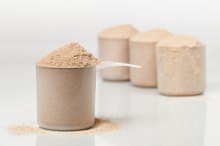
Manufacturers advertise protein powders as a convenient way to get extra protein to boost fitness. These supplements are marketed to everyone from moms to bodybuilders. But recent clinical research has raised some questions about the safety of getting extra protein from such supplements. Most people get enough protein from their diet, so consuming extra protein may lead to potential adverse health effects. In addition, like other supplements, protein powder is not monitored for safety by the U.S. Food and Drug Administration,
Excess Calcium Loss
Calcium plays a significant role in keeping your bones strong, and consuming extra protein may put bone health at risk. In a study published in 2013 in "International Scholarly Research Notices," researchers examined the effect of varied protein intakes -- 47 grams, 95 grams and 142 grams per day. They found that each incremental increase in protein caused a significant increase in calcium lost through urine, resulting in excess calcium loss. The typical scoop of protein powder contains 20 to 50 grams of protein or more per serving.
May Harm Kidney Function
Does Protein Powder Mess Up the Liver?
Learn More
Your kidneys are tasked with filtering waste products and toxins from your bloodstream. In general, an increase in protein intake increases the workload on your kidneys. In the 2013 "International Scholarly Research Notices" study, researchers also examined the potential dangers of getting excess protein from diet or nutritional supplements and found that over the long term it may negatively affect kidney function. Consuming high amounts of protein for an extended period of time significantly increases acid load on the kidneys and increases the risk of kidney stone formation.
Heavy Metal Contamination
Consumer Reports tested 15 protein powders and drinks for four heavy metals -- arsenic, cadmium, lead and mercury. While most of the samples tested contained low amounts of heavy metals, a few samples contained amounts that exceeded the daily amount considered safe -- when consuming multiple servings daily. For example, the average lead level in three servings of one protein powder was 13.5 micrograms, which is higher than the 10-microgram limit set by the U.S. Pharmacopeia, the organization that sets standards for dietary supplements.
Protein Safety
High-Protein Low-Calorie Diet Plan
Learn More
Your body needs protein to function properly, but it is possible to have too much of a good thing. You can avoid adverse effects by staying within the suggested maximum intake range. Based on weight control evidence and bodily needs, this is 25 percent of your daily calories, or 2 to 2.5 grams per kilogram of body weight, according to a study published in the April 2006 issue of the "International Journal of Sport Nutrition and Exercise Metabolism." This translates to 136 to 170 grams of protein per day for a 150-pound person, from all sources -- food and supplements.
Related Articles

Does Protein Powder Mess Up the Liver?
Learn More

High-Protein Low-Calorie Diet Plan
Learn More
Are There Any Side Effects of Protein Powder?
Learn More
USDA Recommendations of Protein in Diet
Learn More

How Much Protein Is in a Filet of Flounder?
Learn More

How Much Protein Do You Need When Lifting Weights?
Learn More

How Much Protein Per Day if Working Out?
Learn More

How Much Protein Should a Female Bodybuilder Consume?
Learn More

Protein Powder & the Brain
Learn More
How Protein and Ketones Are Linked to Kidney Stones
Learn More
References
- International Journal of Sport Nutrition and Exercise Metabolism: A Review of Issues of Dietary Protein Intake in Humans
- Consumer Reports: Consumer Reports Magazine: July 2010
- International Scholarly Research Notices: Adverse Effects Associated With Protein Intake Above the Recommended Dietary Allowance for Adults
- GNC: Optimum Nutrition 100% Whey Gold Standard
Writer Bio
Janet Renee is a clinical dietitian with a special interest in weight management, sports dietetics, medical nutrition therapy and diet trends. She earned her Master of Science in nutrition from the University of Chicago and has contributed to health and wellness magazines, including Prevention, Self, Shape and Cooking Light.