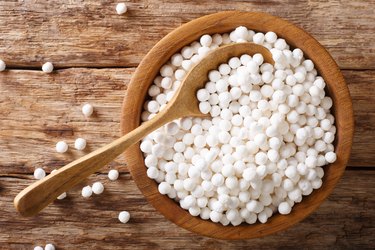
If you have heard of boba or bubble tea, then you may be familiar with tapioca. It is also popular in recipes like tapioca pudding. Other foods that contain tapioca include cassava chips and some gluten-free baked goods made with tapioca flour.
While boba milk tea is not a very nutritious drink, the lack of nutrients is not the only disadvantage of eating tapioca. Since it is a concentrated source of starch, there is some controversy surrounding the regular consumption of foods containing tapioca and cassava.
Video of the Day
Video of the Day
What is Tapioca?
Tapioca comes from the cassava root. Any benefits of tapioca are often attributed to the cassava benefits since cassava root is a starchy vegetable.
When purchasing tapioca, you may find it in powdered form or pearl form. Both are commonly used in desserts and beverages that call for tapioca.
Since it is nearly pure starch, tapioca's nutrition facts consist heavily of carbohydrates. Though it contains some fiber, it contains very few other nutrients.
According to the USDA, a 1-ounce serving of tapioca contains the following nutrients:
- 51 calories
- 0 grams of fat
- 12.6 grams of carbohydrates
- 0.1 grams of fiber
- 0.5 grams of sugar
- 0 grams of protein
Tapioca also contains insignificant amounts of calcium and zinc. Since it is low in nutrients, it is not considered a health food.
Foods containing tapioca, such as tapioca pudding or cassava chips, may not be suitable for people following a low-carb diet since they are a potent source of carbohydrates.
Tapioca and Cassava Benefits
Though it is low in calories and nutrients, there are health benefits of tapioca. However, they are often associated with cassava benefits. Since cassava is a whole food, cassava benefits may outweigh those of tapioca.
One advantage of tapioca is that is is naturally gluten-free. Mayo Clinic recommends tapioca flour in place of wheat flour. This is a convenient alternative for people with Celiac disease, gluten intolerance or other dietary restrictions that exclude gluten. They state it can be used to thicken foods like gravy, soup, sauces and stir-fries.
Tapioca-based foods may also be beneficial for people with digestive issues. According to Cleveland Clinic, tapioca is a low-FODMAP alternative to legumes. This is especially helpful for people with irritable bowel syndrome.
Since resistant starch is extracted from cassava to make tapioca, it is an excellent source of resistant starch. This has further gut health benefits. According to a June 2017 study published in Cellular Physiology and Biochemistry, resistant starch helps regulate the gut microbiota. One of the ways that it helps is by encouraging beneficial bacteria to flourish.
Read more: How Many Calories Are in Tapioca Bubble Tea?
Disadvantages of Tapioca
According to the Centers for Disease Control and Prevention, consuming poorly prepared cassava may lead to cyanide poisoning. This concern mainly affects people in developing countries.
There are few reported side effects of tapioca. However, many researchers agree that more research is needed.
One of the disadvantages of tapioca is that it consists mainly of carbohydrates. This means that people with diabetes should limit their consumption of foods containing tapioca.
It is also a concentrated source of calories. This may hinder some people's weight loss and fitness goals since it is high in calories yet low in nutrients.
Though there are some benefits of tapioca, you may want to consider both the benefits and risks before consuming products like bubble tea, tapioca pudding or cassava chips.
Read more: Is Bubble Tea Healthy?
- Mayo Clinic: “Gluten-Free? Try These Delicious Alternatives to Wheat Flour”
- Cleveland Clinic: “Best and Worst Foods For IBS”
- Cellular Physiology and Biochemistry: “Resistant Starch Regulates Gut Microbiota: Structure, Biochemistry and Cell Signalling”
- USDA: “Nutrition Facts for Tapioca Pearl Dry”
- Centers for Disease Control and Prevention: “Outbreak of Cyanide Poisoning Caused by Consumption of Cassava Flour”