











































How Does Sodium Affect the Heart?

How Does Sodium Affect the Heart?
Photo Credit Jupiterimages/Comstock/Getty Images

You may be among the people who respond adversely to excess salt intake and experience high blood pressure. People who have diabetes, chronic renal disease or hypertension; African Americans; people over 50; and those who are overweight are most likely to have a salt sensitivity. For these groups, which include about half of the U.S. population, a high salt intake increases the risk of heart disease and stroke, according to the Centers for Disease Control and Prevention. Salt restriction and a diet rich in fruits and vegetables, along with weight loss if needed, may effectively lower blood pressure and decrease the risk of heart disease.

Salt Sensitivity

Some people respond to salt intake with an increase in blood pressure. These people are said to be salt-sensitive. No test currently exists to predict salt-sensitivity. Approximately 30 to 50 percent of people who have high blood pressure are salt-sensitive, according to registered dietitians Kathleen Mahan and Sylvia Escott-Stump in "Krause's Food, Nutrition, & Diet Therapy."

Follow a low-salt diet, at your doctor's direction, if you have high blood pressure and are salt-sensitive, to decrease your blood pressure and reduce your risk of heart disease. Seek the advice of a registered dietitian if you need help with meal planning.

Blood Pressure

Hypertension, or high blood pressure, reflects the force of blood pumped by your heart and the resistance in your blood vessels to the flow of blood. The risk of heart attack and stroke increases in direct proportion to increasing blood pressure. Your body uses many systems to control your blood pressure, including your hormones, kidneys and nervous system. When these safety mechanisms fail, high blood pressure develops. When resistance in the blood vessels to the flow of blood increases, the left ventricle of your heart has to pump harder, according to Mahan and Escott-Stump. Over time, congestive heart failure can develop. Without treatment, high blood pressure may lead to a heart attack or stroke, as explained by Eleanor Whitney, Ph.D., and Sharon Rolfes, M.S., R.D., in "Understanding Nutrition."

DASH Diet

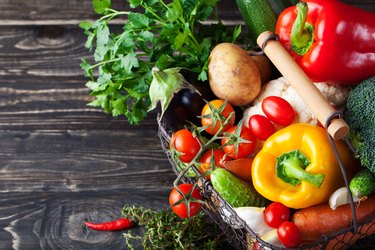
Lower your blood pressure and improve your health by following the Dietary Approaches to Stop Hypertension, or DASH, diet. This low-sodium diet focuses on whole foods. Eat plenty of fruits and vegetables, include little fat and saturated fat and reduce sodium intake. Follow the DASH diet by including seven to eight servings of grains; four to five servings of vegetables; four to five servings of fruits; two to three servings of low-fat or nonfat dairy foods; two or fewer servings of meat, poultry or fish; and one to two servings of nuts daily.

Recommendations

The average daily sodium intake per day is much greater than the recommended amount and comes mostly from processed and restaurant foods. The "Dietary Guidelines for Americans 2010" recommends limiting sodium to less than 2,300 mg per day. Persons in higher risk groups should limit sodium to less than 1,500 mg per day. Salt is about 40 percent sodium, and 1 teaspoon contains 2,000 mg of this mineral, as reported by Whitney and Rolfes.

References

Article reviewed by Paula Martinac Last updated on: Jul 10, 2011

Must see: Photo Galleries

Member Comments