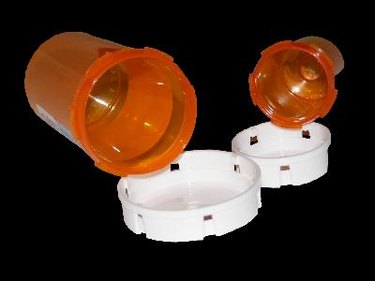
Phentermine and ephedra are stimulants used to aid in weight loss. Despite some similarities, ephedra has been banned by the Food and Drug Administration while phentermine is still prescribed to treat obesity. Understanding the differences between phentermine and ephedra allows you to compare the benefits and risks of each substance. To prevent serious health problems, always consult a physician before taking weight loss supplements like ephedra or phentermine.
Identification
Video of the Day
Phentermine is a prescription stimulant with amphetamine-like effects. It is used as a short-term weight loss aid and works by reducing appetite and speeding metabolism. Ephedra sinica, also known as ma-huang, is a plant containing a variety of alkaloids such as ephedrine and pseudoephedrine, which act as natural stimulants.
Video of the Day
History
Phentermine was approved in 1959 to treat obesity but didn't become available until the early 1970s. It is perhaps best known as an ingredient in the weight loss drug Fen-phen, which also contained fenfluramine. While fenfluramine has been withdrawn from the market due to safety concerns, phentermine remains one of the most frequently prescribed weight loss medications in the U.S. Once available over the counter, ephedra products are now banned by the FDA. The sale of ephedra became illegal in 2004 following the death of baseball player Steve Bechler, who died after taking an ephedra supplement. The Harvard Medical School Family Health Guide states that the decision to ban ephedra was based on over 16,000 reports of negative health effects associated with the supplement.
Uses
Like other stimulants, ephedra and phentermine act on the central nervous system to speed heart rate, reduce appetite and increase energy. Both substances have been used as weight loss aids, though only phentermine is approved for this purpose. Phentermine is generally prescribed for short periods of three to six weeks, according to PubMed Health. Ephedra was included in many over-the-counter energy supplements and weight loss aids prior to its ban. Ephedrine and pseudoephedrine are still included in some asthma and allergy medications, though their use is tightly regulated.
Safety
Ephedra has been deemed unsafe by the FDA. According to Drugs.com, the supplement can cause irregular heartbeat, chest pain and severe headache, which may be signs of heart attack or stroke. Other problems such as seizures and mood changes have also been reported. Phentermine may also cause adverse health effects in some cases. Common side effects include insomnia, nervousness, dry mouth and impotence. Drugs.com warns that phentermine can be habit-forming and may cause withdrawal symptoms when discontinued abruptly. Like ephedra and other stimulants, phentermine can cause cardiovascular side effects like high blood pressure and rapid heartbeat.