
Plavix, or clopidogrel bisulfate, keeps platelets from clumping to form blood clots. Anti-platelet drugs work best when used with heart-healthy lifestyle changes such as regular exercise and a balanced diet, according to the American Heart Association. It's possible to integrate foods of all types into a healthy diet as long as they're eaten in moderation. Still, you should follow the specific recommendations of your doctor or registered dietitian. The American Heart Association has endorsed the National Heart Lung and Blood Institute's Therapeutic Lifestyle Changes, or TLC, diet for those with heart issues. This diet limits fat, cholesterol, sodium and total calories while promoting heart-healthy fats, fiber, vitamins and minerals.
Fats and Oils
Video of the Day

The TLC diet recommends that fat calories make up 25 to 35 percent of total calories. It's not enough to limit total fat intake alone, however, since different types of fat affect the cardiovascular system in different ways. Saturated fats, most of which come from animal-based products, should be limited to less than 7 percent of total calories. Monounsaturated fats can be up to 20 percent and polyunsaturated can be up to 10 percent of total calories. These heart-healthy fats are found in foods and oils made from plants such as almonds, flax seeds, walnuts, olive oil and canola oil.
Video of the Day
Cholesterol and Fiber
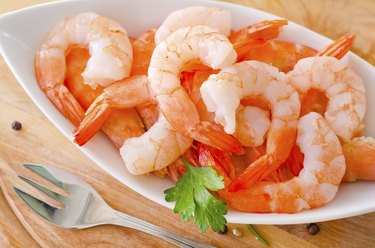
One of the goals of the TLC diet is to reduce total cholesterol and low-density lipoprotein, or LDL, while raising high-density lipoprotein, or HDL. To do this, limit cholesterol intake to less than 200 milligrams per day by limiting foods such as egg yolk, shrimp and whole-milk dairy products. Also, add at least 5 to 10 grams of soluble fiber and at least 2 grams of plant sterols and stanols per day to your diet. Foods such as oats, bran, barley, fresh fruit and beans are good sources of soluble fiber. Some manufacturers fortify products with plant stanols and sterols such as certain supplements, margarine, fruit juices, breads and snacks, according to the Cleveland Clinic. Each product is fortified with a different amount of plant sterols and stanols, so check the nutrition labels before adding them to your diet.
Meat and Meat Substitutes
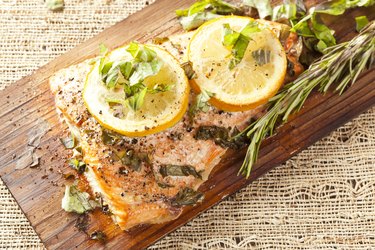
Protein should make up about 15 percent of your total daily calories on the TLC diet. Choose lean cuts of meat and remove the skin from poultry to limit your saturated fat intake. Choose nuts, beans and soy proteins such as tofu and miso as heart-healthy meat substitutes. Twice a week, eat fish rich in heart-healthy omega-3 fatty acids such as tuna, cod, mackerel and salmon. Limit meat and fish intake to less than 5 ounces per day.
Fruits, Vegetables and Whole Grains
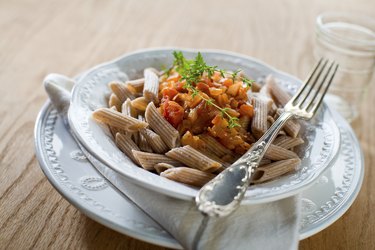
Fresh fruits and vegetables are low in sodium, fat and total calories, but high in fiber, nutrients and plant compounds that contribute to heart health. Eat five to nine servings of fruit and vegetables each day that are prepared with little or no added fat, sodium and sugar. Carbohydrates from sugar, grains and starch should make up 50 to 60 percent of total daily calories per the TLC diet, but half of your carbohydrates should come from whole grains. Examples include whole-wheat pasta, brown rice and whole wheat bread.
- Plavix: Cardiac Diet -- Eating Healthy & Dieting
- National Heart, Lung and Blood Institute: Your Guide to Lowering Your Cholesterol With TLC
- Plavix: How Plavix Works
- "Circulation"; Association of Diet, Exercise, and Smoking Modification With Risk of Early Cardiovascular Events After Acute Coronary Syndromes; Dr. Clara K. Chow, et al.; February 2010
- Cleveland Clinic: Sterols and Stanols