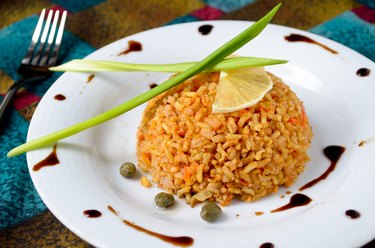
Yeast diets, also called candida diets, are used to reduce the negative effects of an overgrowth of candida -- a yeast-like fungus that occurs naturally in the body. Although candida itself is harmless, an overgrowth can cause yeast infections, or candidiasis, in your mouth, stomach, groin, urinary tract or skin. Although candida diets lack scientific evidence of effectiveness, dietary changes, including eating brown rice, may support medical care in managing your symptoms. If you suspect you have a yeast infection, make an appointment to see your personal physician about medication, and ask if a yeast diet is appropriate for you.
Theories
Video of the Day
Most alternative health practitioners, such as Linda Page, doctor of naturopathic nutrition and adjunct professor at the Clayton College of Natural Health in Birmingham, Alabama, believe that baker's yeast, while different from the yeast in your body, still stimulates candida overgrowth. If you suspect that baker's yeast contributes to your symptoms, brown rice provides a nutritious, yeast-free alternative to bread, pizza crust, pastries and other yeast-containing foods. In her book, "Renewing Female Balance: PMS, Breast & Uterine Fibroids, Ovarian Cysts & More," Page recommends emphasizing brown rice and other whole foods as a potential natural cure and preventative measure for vaginal yeast infections.
Video of the Day
Benefits
Brown rice is a valuable source of fiber, vitamins, minerals and antioxidants. Antioxidants, such as vitamin C and betacarotene, support your body's ability to resist and heal from infections. The University of Maryland Medical Center recommends consuming whole grains and other vitamin B-rich foods for strengthened resistance to yeast infections. As a complex carbohydrate, brown rice also provides a nutritious alternative to sugary foods; sugar may contribute to candida overgrowth.
Suggestions
The Dietary Guidelines for Americans, evidence-based nutrition guidelines published by the U.S. Department of Health and Human Services and the the U.S. Department of Agriculture, recommends eating at least three 1-oz servings of whole grains daily for optimum wellness, and choosing whole grains over refined grains at least half of the time. To add candida-reducing benefits to your rice, use anti-fungal spices, such as garlic, oregano, sage and cloves.
Other Helpful Foods
For strengthened immune function, consume a variety of colorful fruits and vegetables, which are top sources of antioxidants. The antioxidant vitamin C may help reduce inflammation associated with candidiasis, according to the UMMC. Vitamin C-rich foods include red bell peppers, citrus fruits, cantaloupe, kiwi, sweet potatoes and tomato sauce. Although research findings are mixed, probiotics, a beneficial bacteria form, may also guard against yeast infections. Valuable sources of probiotics include yogurt with live active cultures and kefir. Other yeast-free grains include oats, barley, wild rice and corn.