About one in 20 Americans will experience hemorrhoids at some point in their lives. This painful condition is often ignored and goes untreated for years. In fact, only one in three people gets treatment. The good news is that you can prevent hemorrhoids and relieve their symptoms by tweaking your diet; certain foods can ease the pain and discomfort associated with this problem and keep flareups at bay.
What Are Hemorrhoids?
Video of the Day
Let's be honest: No one really enjoys talking about hemorrhoids. Millions of people prefer to suffer in silence rather than seek medical care. After all, it's not easy to describe your symptoms and undergo the physical examinations necessary for diagnosing this condition. Unfortunately, the longer you ignore it, the worse it gets.
Video of the Day
Hemorrhoids are swollen veins around the anus or in the anal canal. Also known as piles, they can be internal or external and cause pain during bowel movements, burning, itching, overall discomfort and bleeding from the rectum. Some of these symptoms go away within days, while others can last for weeks or months.
Their exact cause is unknown. In general, hemorrhoids result from increased pressure due to prolonged sitting, straining during defecation, heavy lifting, pregnancy, chronic constipation or obesity. For example, when you're pregnant, the uterus places extra pressure on the veins in your anus and rectum, promoting the formation of hemorrhoids. Constipation only makes things worse.
Can You Prevent Hemorrhoids?
Hemorrhoids tend to be more common in people aged 45 to 65 years. Approximately 35 percent of women develop this condition during pregnancy. Some individuals are genetically predisposed to it. However, there are a couple of steps you can take to prevent hemorrhoids and reduce their occurrence.
According to a 2015 review published in the World Journal of Gastroenterology, dietary and lifestyle modifications may help prevent and treat this condition. Fiber supplements, for example, can relieve your symptoms and cut the risk of bleeding by half. Health experts recommend eating more fiber, drinking plenty of water and limiting the time spent sitting on the toilet.
Research suggests that dietary changes, such as switching to a high-fiber diet for hemorrhoids, could be the best treatment and preventive measure. These modifications can help relieve constipation and reduce straining during bowel movements. Surgery is recommended only in severe cases. Beware that hemorrhoids may lead to perianal thrombosis, heavy bleeding and other complications if left untreated.
Read more: 19 High-Fiber Foods — Some May Surprise You!
Include Psyllium in Your Diet
Psyllium husk is one of the best dietary sources of soluble fiber. A single tablespoon provides 6.9 grams of fiber, which represents about 28 percent of the daily recommended intake. After ingestion, psyllium absorbs water in the intestine and keeps your digestive system running smoothly.
Read more: Psyllium Husk Dosage
According to a 2019 article published in the International Journal of Molecular Sciences, this soluble fiber may cause positive changes in the gut flora and increase stool water content. Furthermore, it could help people with advanced hemorrhoids avoid surgery — especially when used along with other lifestyle modifications, such as spending less time on the toilet.
Depending on your preferences, you can take psyllium husk supplements or purchase this product in powder form. Sprinkle it over salads, mix it into smoothies and fruit juices, or take it with water. You can even add it to homemade bread, pancakes, waffles and other baked goods. This dietary fiber not only keeps you regular but also increases satiety and improves glycemic control.
Eat Plenty of Whole Grains
Rich in fiber, whole grains may help prevent and relieve constipation, which is a major contributing factor to hemorrhoids. A 2015 clinical trial published in the Journal of Cancer Prevention found that constipated subjects who consumed whole grain powder and vegetables daily for four weeks had more frequent bowel movements compared to the control group. Their symptoms, which included straining to defecate, incomplete evacuation and hard stools, improved in as little as two weeks.
Read more: 13 Powerful Grains and Seeds
Dietary fiber promotes digestive health by feeding the bacteria in your gut and acting as a bulking agent. It's safer than laxatives and occurs naturally in plant-based foods. Whole grains contain both soluble and insoluble fiber, making them ideal for those struggling with constipation, sluggish digestion and hemorrhoids.
One cup of oat bran, for example, delivers 14.4 grams of fiber and has only 231 calories. Wheat bran boasts 125 calories and 24.8 grams of fiber per cup. Your breakfast could also include rye, which has 571 calories and 25.5 grams of fiber per cup.
Fill Up on Beans
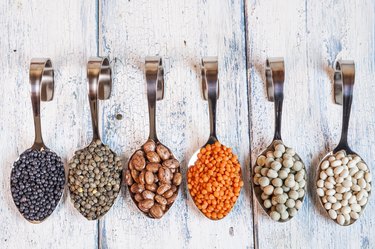
Beans and other legumes are an excellent source of fiber. One cup of mung beans provides a whopping 33.7 grams of fiber. That's more than the recommended daily intake of fiber, which is 25 to 30 grams a day.
Kidney beans are a good choice too. With 45.8 grams of fiber per cup, they fill you up quickly and stimulate the bowels. You can always opt for black beans, which are loaded with fiber and antioxidants. These delicious, healthy foods not only aid in digestion but also improve insulin response and support metabolic health.
Add Pickles to Your Meals
When was the last time you ate pickled cucumbers, sauerkraut or other fermented foods? If you can't remember, it's time to do it more often. Sour pickles are high in fiber and probiotics, leading to better digestion and constipation relief. In the long run, they may help prevent hemorrhoids and keep you regular.
Pickled cabbage, for example, is naturally rich in lactic acid bacteria that help restore the gut microbiota and support digestive health. These bacteria species have been shown to relieve bloating, dyspepsia and constipation, among other gastrointestinal symptoms. Furthermore, they may improve immune function and enhance your body's ability to fight diseases.
To reap the benefits, serve pickles as a side dish or add them to your favorite salads. You can even snack on pickled cucumbers between meals. One cup has only 17.1 calories and provides 91 percent of the daily value for vitamin K, 7 percent of the daily value for copper, and 6 percent of the daily value for vitamin A.
Enjoy a Variety of Other Foods for Hemorrhoids
Make sure you also eat plenty of fresh fruits, kefir, yogurt, tempeh, miso and carrots for hemorrhoids. These foods are loaded with fiber, pre- and probiotics, and other compounds that promote digestive health. One cup of chopped carrots, for instance, has 3.6 grams of fiber and only 52 calories.
Foods to Avoid With Hemorrhoids
Beware that certain foods can worsen your symptoms. White rice, white bread, breakfast cereals, pastries, meat, cheese, crackers and bagels are just a few to mention. These foods are low in fiber and promote constipation. Breakfast cereals and white rice, for example, have had the fiber removed during processing; whole grains and brown rice, on the other hand, have the germ and bran intact.
You may also want to avoid spicy foods, such as hot peppers and chili flakes. Despite their health benefits, they may worsen hemorrhoid pain and irritate your stomach. Consider limiting red meat as it takes longer to digest and may aggravate constipation.
- NIH: Definition & Facts of Hemorrhoids
- CRH Medical: Facts About Hemorrhoids
- NCBI: Hemorrhoid, External
- NCBI: Treatment of Hemorrhoids: A Coloproctologist's View
- NCBI: Complications of Hemorrhoids
- Nutritionix: Psyllium Husk Powder - 1 Tbsp
- MDPI: The Effect of Psyllium Husk on Intestinal Microbiota in Constipated Patients and Healthy Controls
- Minerva Medical: Adequate Dietary Fiber Supplement and TONE Can Help Avoid Surgery in Most Patients With Advanced Hemorrhoids
- Science Direct: Satiety Effects of Psyllium in Healthy Volunteers
- NCBI: Psyllium Fiber Improves Glycemic Control Proportional to Loss of Glycemic Control
- JCP Journal: A Controlled, Randomized, Double-Blind Trial to Evaluate the Effect of Vegetables and Whole Grain Powder That Is Rich in Dietary Fibers on Bowel Functions and Defecation in Constipated Young Adults
- USDA: Raw Oat Bran
- USDA: Wheat Bran
- USDA: Rye
- USDA: Raw Mung Beans
- UCSF Health: Increasing Fiber Intake
- USDA: Raw Kidney Beans
- MDPI: Black Beans, Fiber, and Antioxidant Capacity Pilot Study
- WebMD: Top Foods With Probiotics
- MDPI: Preventive Effect of Lactobacillus fermentum CQPC03 on Activated Carbon-Induced Constipation in ICR Mice
- SELF Nutrition Data: Pickled Cucumbers
- Nutrition Value: Raw Carrots