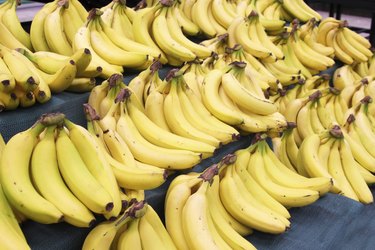
Trying to avoid foods that cause gas and bloating? In this case, you may want to give up bananas, apples, peaches, apricots and other fruits containing soluble fiber or sugar alcohols. Bananas, for example, can leave you feeling bloated due to their high fiber content.
Tip
Rich in vitamin C and potassium, bananas have their place in a healthy diet. The downside is that they may cause bloating and constipation due to their high starch content.
Video of the Day
Bananas and Gas
Bananas have emerged as a natural remedy for diarrhea. In general, they are consumed along with applesauce, rice and toast as part of the BRAT diet. These foods make the stool firmer and may help restore your electrolyte balance after bouts of diarrhea or vomiting. With the BRAT diet, your symptoms should subside within a day or two.
Video of the Day
The downside is that bananas may trigger or worsen pre-existing constipation, according to a December 2014 review published in Pediatric Gastroenterology, Hepatology & Nutrition (PGHN). These tropical fruits are rich in amylase-resistant starch and soluble fiber, both of which may cause bloating, gas and hard stools. The starch in bananas cannot be broken down by amylase, a digestive enzyme.
This type of starch, or carbohydrate, promotes satiety, regulates insulin and blood sugar levels and may improve blood lipids, points out the Digestive Health Institute. When consumed in excess, it can ferment in the gut, causing gas and bacterial overgrowth. Individuals with Celiac disease, irritable bowel syndrome (IBS) and other digestive problems are more sensitive to its side effects.
To stay on the safe side, avoid unripe bananas as they tend to be higher in resistant starch, according to the review featured in PGHN. If you're constipated, fill up on dried plums and prune juice, green kiwifruit, vegetables, raisins and other high-fiber foods.
Beware, though, that any of these foods may cause bloating. Even small or moderate amounts of dietary fiber can worsen flatulence and abdominal distension in some individuals.
Foods That Cause Bloating
Bananas are not the only foods that cause gas and bloating. Beans, apples, peaches, whole grains and most cruciferous veggies have similar effects, reports the International Foundation for Gastrointestinal Disorders.
The same goes for sugar-free gum, cherries, plums, berries and other foods containing sorbitol, a sugar alcohol that ferments in the gut. Diet foods, such as sugar-free chocolate and hard candy, are the worst offenders. When consumed in excess, sorbitol can lead to diarrhea and digestive discomfort, warns the FDA.
If you're feeling bloated, switch to a low-fiber diet until your symptoms subside. Meat, fish, poultry, zucchini, avocado, eggs and white rice are less likely to cause gas.
Milk and dairy products contain lactose, which may cause gas and digestive distress in some individuals. Processed meats, such as hot dogs and sausages, may contain starch and worsen your symptoms. Cook your meals using unprocessed meat, such as chicken or turkey breast, lean cuts of beef, organ meat and so on.
Garlic and onions are prized for their antimicrobial and anticarcinogenic effects. These vegetables contain sulfur compounds that may protect against colorectal and stomach cancers. Unfortunately, they're also high in fructans, a type of carb that draws water into the bowel, leading to bloating and diarrhea (especially in people with fructan intolerance and IBS).
Simple Ways to Relieve Bloating
From berries and prunes to milk and dairy, there are many foods that cause gas and bloating. The good news is, you don't have to cut out these foods and change your diet to get a flat tummy.
Bananas, for example, are chock-full of potassium, magnesium, vitamin C and other nutrients. One serving, or one medium fruit, has just 112 calories and about 13 percent of the daily recommended fiber intake. Potassium, an essential mineral in bananas, regulates fluid and electrolyte levels, heart rate and blood pressure. Low levels of this nutrient can affect cardiovascular health and lead to constipation, among other side effects.
These fruits contribute to a balanced diet. Just make sure you choose ripe bananas to prevent bloating. If you still experience this problem, consider taking digestive enzymes and probiotics. Prescription enzymes containing amylase, for instance, may improve starch digestion.
According to Harvard Health Publishing, over-the-counter supplements may not be as effective as prescription enzyme medications. Therefore, it's recommended to ask your doctor to prescribe a formula that meets your individual needs.
Probiotics may help, too. These supplements contain beneficial bacteria that may restore your gut flora and improve digestion. In a small study published in the International Journal of Colorectal Disease in August 2013, 64 IBS patients who took probiotics daily for one month experienced a decrease in the severity of flatulence, with no adverse effects.
Try to limit or avoid carbonated beverages and sorbitol-containing foods. Consider spreading your meals throughout the day rather than eating one or two big meals. Eat plenty of fiber to stay regular, but try not to exceed 70 grams per day as it may worsen bloating and constipation. If your symptoms persist, consult a doctor to rule out IBS and other digestive disorders.
- American Academy of Family Physicians: "BRAT Diet: Recovering From an Upset Stomach"
- Pediatric Gastroenterology, Hepatology & Nutrition: "Diets for Constipation"
- NCBI: "Resistant Starch: Promise for Improving Human Health"
- University of Rochester: "Amylase (Blood)"
- Digestive Health Institute: "What Is Resistant Starch?"
- Medline Plus: "Constipation - Self-Care"
- NCBI: "Fiber and Functional Gastrointestinal Disorders"
- IFFGD: "Tips on Controlling Gas"
- Food Insight: "What Is Sorbitol??
- FDA: "CFR - Code of Federal Regulations Title 21 - Sorbitol"
- Mayo Clinic: "Lactose Intolerance"
- NCBI: "Garlic and Onions: Their Cancer Prevention Properties"
- Tufts Medical Center: "Fructan Intolerance"
- USDA: "Bananas"
- NIH: "Potassium"
- Harvard.edu: "Gut Reaction: A Limited Role for Digestive Enzyme Supplements"
- International Journal of Colorectal Disease: "A Randomised Clinical Trial (RCT) of a Symbiotic Mixture in Patients With Irritable Bowel Syndrome (IBS): Effects on Symptoms, Colonic Transit and Quality of Life"
- Duke University: "Fiber-How"