My Child Eats Very Slow and Has No Attention to Eating
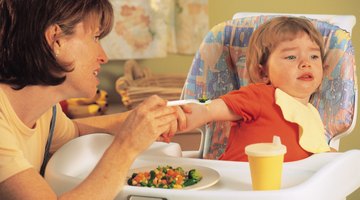
Ask any preschool teacher or pediatrician to list the top five concerns parents have, and food issues are often high on the list. Many toddlers and preschoolers eat slowly or show a disinterest in food.
The problem usually wanes as children get older -- although a prolonged or severe disinterest in food might indicate an eating disorder or health problem. Consult your pediatrician if you suspect a more serious eating issue.
Common Behavior
Most children go through periods when eating lags.
Young children commonly have less interest in food between the ages of 2 and 3, as growth slows down and they become more mobile. Young children are often more interested in play than food at this age. You may notice an increase in appetite during a growth spurt, followed by disinterest in food.
Toddlers and preschoolers often have very limited preferences for food, and may refuse to try new foods.
As children enter elementary school, their eating habits usually moderate.
They tend to eat a more predictable amount of food every day and are usually willing to try more new things. As long as your child is healthy and growing, she is probably getting adequate nutrition, despite a tendency to eat slowly or show disinterest.
Mealtime Solutions

When Your 1-Year-Old Won't Eat Solid Food
Learn More
To encourage better eating habits, model healthy eating yourself. Many children that are picky eaters have parents who show definite food preferences.
Provide meals at the table at predictable times and don't allow the child to watch television while eating. Eat as a family and make meals an enjoyable, social experience. Offer a variety of food items at each meal, knowing that you may have to introduce an item 10 times before a picky eater will try it.
Serve at least one food you know your child likes, as well as less preferred foods. Give your child a large enough serving of the preferred food to quell hunger.
If the child asks for seconds, simply state that she must try the other foods before having seconds.
Allow her the choice to try the foods. Do not become involved in a power struggle.
Set a timer to 45 minutes for mealtime. When the timer goes off, remove the plates and move on to another activity.
Snack Time Ideas
Most children readily eat snacks. Stock your cupboard and refrigerator with healthy snacks to take advantage of this habit. Dried and fresh fruit, yogurt, string cheese, carrot sticks, whole-grain crackers and bagels can provide extra nutrition for the picky eater. Avoid processed foods high in sugar and fat, as well as sodas and excessive fruit juice. Young children with a minor oral motor delay often have difficulty biting into whole foods, such as sandwiches. Cutting foods into smaller pieces often encourages the child to eat more.
Most children love finger foods or foods served with dips. Serve meats with ketchup or barbecue sauce, fruits and graham crackers with yogurt, and vegetables with ranch dressing.
When to Seek Help

How to Get a Two-Year-Old Toddler to Eat Solid Food
Learn More
For some children, eating problems go beyond just a disinterest in food. Children with allergies, reflux, oral motor development delays or other problems may develop a pediatric eating disorder. Many children with autism, Aspergers syndrome, Downs syndrome or sensory processing disorders may have eating problems. These children may completely refuse food, spit food out, cry during mealtimes, ask to be fed by an adult or prefer liquids over foods. Talk with your child's pediatrician if your child's growth is delayed or the above suggestions don't improve his eating habits. Feeding clinics can identify and address eating disorders. Occasionally, a child with a severe eating disorder must be placed on a feeding tube, but this is a last resort.
Related Articles

When Your 1-Year-Old Won't Eat Solid Food
Learn More
How to Get a Two-Year-Old Toddler to Eat Solid Food
Learn More

What Should a 16-Month-Old Eat?
Learn More

Baby Food Menu Ideas for Your 12-Month-Old
Learn More

How to Teach a Baby to Swallow Food
Learn More

Why Is Nutrition Education Important for School Age Children?
Learn More

Should You Be Worried if Your Toddler Eats Dirt?
Learn More

Toddler Food Guide at 18 Months
Learn More
When Can a Child Eat Popcorn?
Learn More
How Long to Give a Baby Cereal Before Starting Vegetables?
Learn More

Julie Christensen is a food writer, caterer, and mom-chef. She's the creator of MarmaladeMom.org, dedicated to family fun and delicious food, and released a book titled "More Than Pot Roast: Fast, Fresh Slow Cooker Recipes."
