Propel Fitness Water & Pregnancy
Propel Fitness Water was developed by Gatorade as a low-calorie water alternative to sports drinks. Propel contains a light flavor with additional essential vitamins to maximize hydration. While Propel Fitness Water was designed to improve hydration for active individuals, pregnant women also need additional hydration to maintain healthy body functions, and they can drink Propel to supply their additional fluid requirements.
Function
Water is the principal chemical component in the body, and makes up about 60 percent of a person's body weight. Pregnant women need additional water to remove toxins from vital organs and carry nutrients to their cells and those of the developing baby. Propel Fitness Water supplies the water along with essential vitamins in a low-calorie drink.
Recommendations
Is Vitamin Water Safe During Pregnancy?
Learn More
As a general rule, doctors recommend consuming eight to nine cups of water per day, but during pregnancy, women need at least 10 cups per day according to the Institute of Medicine. The Mayo Clinic recommends the “8x8 rule,” or drinking eight 8-oz. glasses of water per day. Pregnant women will need an additional two cups, which can include a bottle of Propel Fitness Water.
Features
Propel Fitness Water contains a variety of ingredients, based on the flavor, that results in 10 calories per 8-oz. serving. The primary ingredients include water, sucrose syrup and flavors, with added vitamins like ascorbic acid, vitamin E acetate, niacinamide and calcium pantothenate. One serving of Propel contains only 3g of carbohydrates, with no fat or protein.
Benefits

Mineral Water and Pregnancy
Learn More
Every serving of Propel is an excellent source -- 25 percent of the daily recommended intake -- of B vitamins that benefit energy and metabolism during pregnancy. The water also contains 10 percent of the daily recommended intake of antioxidants such as vitamin C and vitamin E, which aid in fighting disease and bacteria. Propel is caffeine-free. According to the Mayo Clinic, excessive caffeine during pregnancy can cross the placenta and affect the baby’s heart rate, resulting in decreased birth weight and an increased risk of miscarriage.
Considerations
Always consult a physician or registered dietitian about your personal water and vitamin intake during pregnancy and the potential role of Propel Fitness Water. You may need to modify fluid intake according to your activity and exercise levels, environmental factors, illness or health conditions.
Related Articles

Is Vitamin Water Safe During Pregnancy?
Learn More

Mineral Water and Pregnancy
Learn More
Is Cocoa Bad for Pregnant Women?
Learn More

Is It Bad to Drink Diet Soda While Pregnant?
Learn More

What If I Don't Drink Any Milk During Pregnancy?
Learn More
Is Plum Juice Safe to Drink While Pregnant?
Learn More
Can You Eat Calamari When You're Pregnant?
Learn More
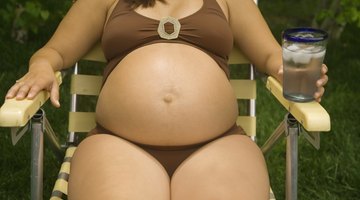
How Important Is Drinking Water to Getting Pregnant?
Learn More

How to Gain Weight While Breastfeeding
Learn More
How to Drink Cold Water After a C-Section
Learn More

Based in Nebraska, Jeremy Hoefs began writing fitness, nutrition, outdoor and hunting articles in 2006. His articles have been published in "Star City Sports," "Hunting Fitness Magazine" and RutWear field journals, as well as on the Western Whitetail website. Hoefs graduated with a Bachelor of Science in exercise science from Nebraska Wesleyan University.
