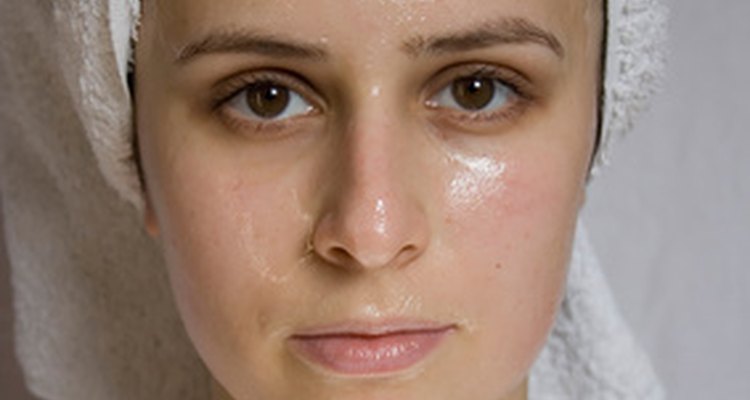
Zinc and copper are vital minerals necessary for overall health and aging skin. Zinc provides skin with sun protection and cellular repair. Copper maintains and repairs aging skin by providing essential fatty acids and vitamins to the skin. Using zinc and copper for aging skin will aid in the prevention of cellular damage and restore the firmness and elasticity to skin.
Zinc
Zinc is an essential mineral; it plays an important role in maintaining health and preventing diseases and premature aging. Zinc is found in some foods naturally, but it is also available in supplements and used as an additive in antiaging cosmetic products. Zinc is responsible for specific aspects of cellular metabolism functions, protein synthesis, cell division and cellular repair, which makes it effective for aging skin.
Copper
Copper is a metallic element that is a necessary component in the human body. copper deficiency is responsible for premature aging, aneurysms and other disorders. Copper is beneficial for aging skin because it repairs and maintains connective tissue in the skin, heart and arteries. The human body only requires a small amount of copper; the U.S. recommended daily amount is 0.9 mg for adults.
Foods Rich in Zinc
Incorporating foods rich in zinc is beneficial for proper nutrition and prevention of aging skin. Animal food sources are the primary source of zinc. Whole-grain breads, cereals and beans contain trace levels of zinc, but the presence of phytates in these foods bind zinc and inhibit its absorption. Consume foods such as oysters, Angus beef, crab legs, lobster and roast chicken. These meats provide an abundant source of zinc.
Foods Rich in Copper
Copper provides the body with the amino acids and vitamins necessary for normal metabolic processes. The human body is unable to synthesize copper, so consuming a daily diet containing copper is essential for maximum absorption. Some foods that are rich in copper are cashews, almonds, chickpeas and liver.
Creams with Zinc and Copper
Applying facial creams containing zinc and copper are beneficial when you include daily consumption of foods rich in these essential minerals. When choosing creams with zinc and copper for aging skin, look for organic facial creams. Organic products must be certified by the USDA and undergo a rigorous and strict process to ensure quality and efficacy.
Related Articles

What Vitamins Help the Liver?

Selenium & Silica

L-Lysine for Hair Growth

Vitamins for Mental Alertness

Zinc Treatment for Rosacea
Lack of Nutrients and Flaky, Dry Skin

Food Sources of Phosphatidylcholine

How to Use Copper Peptide With Vitamin C

How Much Calcium Is in Peanut Butter?

Oil of Olay & Wrinkles

Foods Rich in Magnesium & Phosphorus

Which Vitamins Can Help Reverse ...

Nutrition Information on Blueberries

A List of Foods That Contain Choline

What Foods Provide Calcium D-Glucarate?

Herbs That Contain Zinc
Skin Care Products That Contain ...

Benefits of Shea Butter and Coconut Oil ...
The Nutrition of 15-Bean Soup

Elastin Supplements