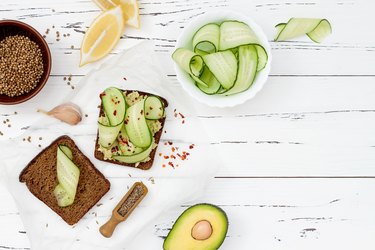
Following a vegan diet means eating no animal products including eggs and dairy products. A 1,200-calorie vegan meal plan emphasizes naturally low-calorie foods such as vegetables and fruits. However, a 1,200-calorie plant-based meal plan is quite restrictive — and obtaining all the nutrients you need on this number of calories presents a challenge. Devising a healthy 1,200-calorie vegan meal plan requires some preparation and planning, but it is possible. Consulting a physician before beginning any diet plan, especially one low in calories, is advisable.
Is It Right For You?
Video of the Day
People generally follow a vegan lifestyle for ethical, religious or health reasons. Regardless of your motivation, the diet consists of plant foods such as fruits, vegetables, whole grains, nuts and seeds. It is possible to meet all your nutritional needs with a vegan diet, notes the American Dietetic Association.
Video of the Day
A vegan diet may also help reduce risk factors for chronic conditions such as heart disease and Type 2 diabetes. Restricting a vegan diet to 1,200 calories daily should result in weight loss, but the amount of food may be inadequate for some people — particularly men or very active individuals.
Create a Strategy
A 1,200-calorie plant-based meal plan should span at least three meals, or three meals and two snacks. Eating regularly helps keep hunger under control and sustains your energy. Try to make each meal include healthy carbohydrates and a source of vegan protein, such as beans, seeds, nuts or soy. You can also include large amounts of watery, fibrous vegetables such as leafy greens, broccoli, summer squash, tomatoes, cucumbers and peppers.
Address Misconceptions
Vegan foods are not automatically healthy or low-calorie. Nut butters and nuts offer numerous vitamins and minerals and heart-healthy unsaturated fats, but are also calorie-dense. Vegan cookies, energy bars, granola, pasta and breads are often high in calorie and low in nutrition because they are made with refined flours. Choose natural and whole-grain foods to get the most nutritional value for your calories on your 1,200-calorie plant-based meal plan.
ID Potential Deficiencies
Vegan diets may be low in certain nutrients that are most often found in animal foods, such as omega-3 fatty acids, protein, vitamin B-12, zinc and calcium. When you restrict your calorie intake, you run the risk of creating an even greater deficiency in some of these nutrients. It is challenging to obtain adequate nutrition on any 1,200-calorie diet, notes registered dietitian Joanne Larsen on her website, Ask the Dietitian.
To ensure adequate nutrition, include a variety of vegetarian proteins, such as tofu, hemp seeds, quinoa and lentils, in your daily meal plan. Flaxseeds and walnuts provide omega-3 acids. Nutritional yeast, fortified soy milk and meat substitutes made with soy are sources of vitamin B-12. Fortified whole-grain cereals, wheat germ and beans provide you with zinc. For calcium, choose calcium-enriched orange juice or soy milk, leafy greens and tofu.
Try This Sample 1,200-Calorie Vegan Meal Plan
You can start your day with 1/3 cup of dry oatmeal made with 1 cup of soy milk for breakfast. You can also include 1/2 cup of blueberries and 1 1/2 teaspoons of flaxseed oil in your oatmeal. Have 8 ounces of calcium-enriched orange juice with your meal.
For lunch, have tacos. You can have two corn tortillas, 1/2 cup of black beans, 2 tablespoons of salsa and 1/5 of an avocado.
For a mid-afternoon snack, enjoy 1/2 cup of edamame.
For dinner, saute 3.5 ounces of tofu in garlic and soy sauce and serve with 1/2 cup of brown rice. You can also have a salad with 3 cups of baby spinach, 1/2 cup of sliced mushrooms, 1 tablespoon of hemp seeds and lemon juice. This menu totals about 1,187 calories.