
The Effects of a Surface on Bouncing a Basketball
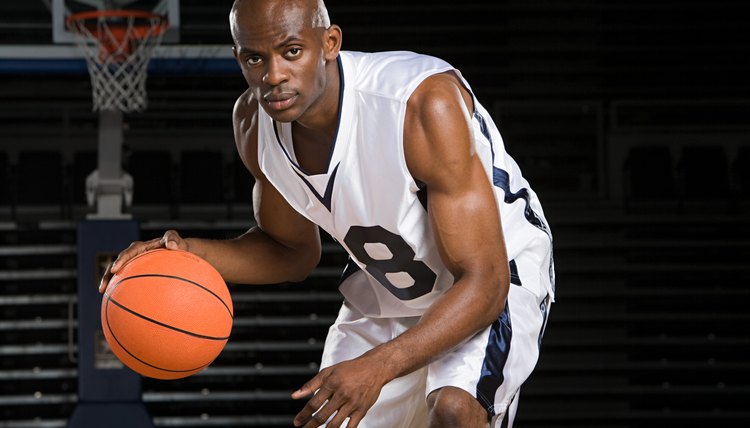
If you play basketball long enough, you will eventually find yourself using different kinds of playing surfaces. As a player, it is important that you know the effects that a specific surface will have on bouncing a basketball. If you do not, you may find yourself unable to dribble the basketball as well as you would like, and this will keep you from doing your best.
Hardwood Floors
If you play basketball inside a gym, you will most likely be playing on a wood court. Ideally, these are the best floors to play basketball on, and if you go to any of the different NBA arenas, you will see that the games are played on a wood court. Overall, these are the best surfaces for dribbling a basketball. However, some older wooden floors have suffered water damage and can be very difficult to dribble a basketball on. This is because of “dead spots” in different locations on the floor. When you bounce the basketball on these different spots, the ball dies and does not bounce back up very well. This can be challenging to deal with when playing a competitive game of basketball.
Asphalt/Cement Courts
When you play basketball outside, you are primarily playing on either an asphalt or cement surface. This is the type of surface in your driveway or your neighborhood park. Both of these surfaces are adequate for dribbling a basketball when they are new, but they will become more difficult to handle the basketball on as they age. If the surface is painted and sealed -- as compared to being left to sun exposure -- it will make a big difference. Assess each surface individually to see how well the basketball is going to bounce on it before playing.
Multipurpose Courts
Multipurpose courts are made out of a tiled plastic material or a hard rubber surface. These surfaces are less expensive to install than wooden floors and are better for non-basketball activities. You will find them in a lot of smaller schools and community recreation centers. When they are new, they offer a great surface to dribble the basketball on, but as time goes by and the amount of foot traffic increases, they begin to lose some of their bounce. The plastic tiled floors begin to develop the “dead spots” similar to older wood floors, and it becomes a challenge to dribble the basketball.
Tips and Considerations
Adjust the amount of air in the basketball if you are having trouble bouncing it on a specific surface. You may have to experiment a bit, but the increased ease of dribbling the ball will make the effort worth it. Also, use the appropriate type of basketball for the surface. Basketball 91 notes that you should use a leather ball only on an indoor court, as outdoor use may damage the ball. Composite or synthetic leather balls are better for outdoor courts, and rubber basketballs are best for beginners, according to Basketball 91.
Writer Bio
Kyle Ohman is the co-creator of basketballhq.com, a basketball training website. In college, he was a 1,000-point scorer and the 19th ranked shooter in the country by Fox Sports during his senior year. He also played professional basketball in Europe and has coached high school basketball.