Your body needs good nutrition for healing. If you have skin that's not healing, you may need more of certain nutrients to boost your immune system and collagen rebuilding process.
Certain macronutrients and micronutrients improve your body's own natural healing abilities. Slow wound healing can signal a vitamin deficiency (or a mineral or protein deficiency). Focus on nutrients obtained by eating whole, natural foods to speed healing along.
Video of the Day
Video of the Day
Tip
Skin that’s not healing could be due to a nutrient deficiency. Focus on foods that contain protein, vitamin C, vitamin A and zinc when trying to boost your body’s wound-healing ability.
Impairment in Wound Healing
Skin sores that don't heal may occur on people who are bedridden or in wheelchairs, such as the case with pressure sores or bedsores. These skin sores develop at places where the bones sit close to the skin, particularly at the ankles, back, heels, elbows and hips. Those with diabetes are also particularly vulnerable to sores on their feet that can take weeks or months to heal, explains the Academy of Nutrition and Dietetics.
Wound healing may slow down or stall due to nutritional deficiencies, specifically in zinc, vitamin C and protein, noted Podiatry Today in December 2014. When your body is healing, it often has increased nutritional demands for these nutrients, as well as vitamin A, explains the Cleveland Clinic. You may also require more calories as your body expends more energy while trying to repair cells and sores.
The metabolic needs of injury can even lead an injured person who was well-nourished prior to wounds or injury to become malnourished in a short period of time, reports a paper published in Advances in Wound Care in November 2014. The researchers recommend that anyone with chronic wounds undergo a nutritional assessment as part of a general wound-management treatment plan.
Suboptimal nutrition is a common denominator for all wound patients who have skin that's not healing, notes a report in Wounds, published December 2015. When you aren't getting the nutrients you need, immune function, collagen synthesis and wound tensile strength (which is intrinsic to forming new, healthy skin) are compromised.
Although not all wounds have the same healing pattern or origin — for example, a diabetic foot ulcer is different from a burn — nutrition plays an important role in healing for all of them.
Protein and Skin Not Healing
True protein deficiency is rare in most developed nations, explains a paper published in Lakartidningen in May 2018, but healing from wounds ups your protein needs.
The Advances in Wound Care paper notes that patients who are under metabolic stress or recovering from surgical procedures have increased protein needs of 1 to 2 grams per kilogram of body weight, depending on the individual case. This is equal to 0.45 to 0.9 grams per pound of body weight, since a kilogram is equal to 2.2 pounds.
Read more: 7 Day Protein Diet
Older people are particularly susceptible to protein deficiency during wound healing, contributing to an increase in skin fragility, decreased immune function, poor healing and longer recovery after injury or illness.
Protein foods to include when you have skin that's not healing include:
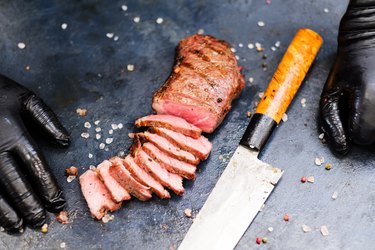
- Meats, such as lean steak, chicken, fish and seafood
- Soy protein, such as tofu, tempeh and soy nuts
- Beans and legumes, such as lentils, black beans and chickpeas
- Dairy, especially milk and Greek yogurt
Vitamin C and Wound Healing
Extra vitamin C is recommended in patients with wounds due to the central role it plays in collagen metabolism and in reducing inflammation. Collagen is a protein that's an essential component of connective tissue and plays a key role in wound healing, explains the National Institutes of Health Office of Dietary Supplements. When vitamin C deficiency progresses, collagen synthesis declines and wound healing becomes more difficult for your body.
Read more: 8 Foods That Boost Your Immune System
True vitamin C deficiency is uncommon in developed countries, but vitamin C inadequacy can occur, especially in people who smoke, who have limited food variety (such as older people) and who have certain chronic diseases and malabsorption issues.
Adding vitamin C to your diet when you have spots not healing might help, however, notes the paper published in Advances in Wound Care.
Foods that contain ample vitamin C include:
- Citrus fruits and citrus juice
- Strawberries
- Baked potatoes
- Spinach
- Broccoli and cauliflower
- Brussels sprouts
- Cabbage
Vitamin A and Sores
Vitamin A plays a unique role in the management of wound healing in people who are on corticosteroids. If you take these medications to reduce inflammation due to a disease, such as rheumatoid arthritis, they can impair your body to heal skin sores. However, extra vitamin A can counteract the negative effects of corticosteroids on wound healing, notes the paper in Advances in Wound Care.
Vitamin A foods include:
- Dark leafy green vegetables, such as kale and Swiss chard
- Orange or yellow vegetables, such as carrots and winter squash
- Cantaloupe
- Liver
- Fortified dairy products and fortified cereals
Zinc Helps Healing Too
Like vitamin C, zinc also plays an important role in collagen development and reduction of inflammation.
The research in Advances in Wound Care notes that decreased zinc levels compromise the abilities of cells involved in wound healing. Without enough zinc, your immunity is impaired and you're at an increased susceptibility of infection. Plus, you don't produce collagen as efficiently, delaying sores from closing and healing.
Read more: 5 Harmful Side Effects of Getting Too Much Zinc
The Academy of Nutrition and Dietetics suggests eating foods such as whole grains, eggs and dairy to get the zinc you need. Meats and seafood are other sources.
Implementing Good Nutrition
Getting the calories and nutrients you need for optimal wound healing can be hard if you have a small appetite or just can't tolerate large meals. The Cleveland Clinic recommends you try eating five to six small meals per day, rather than trying for three large ones. Grazing between meals on nutritious foods also stokes your nutrition. Snacks to include are:
- Yogurt and strawberries or cantaloupe
- A glass of milk
- Vegetables dipped in hummus
If you find you just can't get the nutrients or calories you need on your own, talk to your doctor about possible supplements to support your healing goals.
Tip
If you have diabetes and poor-healing wounds, continue to stay on top of your blood sugar levels. Good management of blood sugar helps wound healing and prevents infection. Talk to your doctor about your diet and medications to support your diabetes care.
- Wounds: "Nutrition in Wound Care Management: A Comprehensive Overview"
- Cleveland Clinic: "Nutrition Guidelines to Improve Wound Healing"
- Academy of Nutrition and Dietetics: "Five Nutrition Tips to Promote Wound Healing"
- Podiatry Today: "When Vitamin and Nutritional Deficiencies Cause Skin and Nail Changes"
- Advances in Wound Care: "Nutrition and Chronic Wounds"
- Lakartidningen: "Protein Deficiency - A Rare Nutrient Deficiency"
- National Institutes of Health: Office of Dietary Supplements: "Vitamin C"