The Best Vegetables & Fruits to Eat for High Blood Pressure
High blood pressure increases your risk for heart disease and stroke, but you may be able to lower your blood pressure by improving your diet. A diet which is high in vegetables and fruits may help lower your blood pressure, and eating a wide variety will provide multiple nutrients to support a healthy blood pressure. Continue to follow your doctor’s advice for managing your blood pressure.
Starchy Vegetables
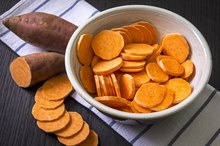
Starchy vegetables, such as potatoes and sweet potatoes, are high in potassium and low in sodium. A high-potassium, low-sodium diet may help lower your blood pressure, and healthy adults should have at least 4,700 milligrams potassium and no more than 2,300 milligrams sodium per day. If your blood pressure is already high, you should have no more than 1,500 milligrams sodium per day, according to the 2010 Dietary Guidelines from the U.S. Department of Health and Human Services. A balanced 2,000-calorie diet includes at at least 5 cups per week of starchy vegetables.
- Starchy vegetables, such as potatoes and sweet potatoes, are high in potassium and low in sodium.
- A high-potassium, low-sodium diet may help lower your blood pressure, and healthy adults should have at least 4,700 milligrams potassium and no more than 2,300 milligrams sodium per day.
Citrus Fruits and Berries
The Health Benefits of Kasha
Learn More
Citrus fruits, such as oranges, tangerines and grapefruits, and berries, such as strawberries, raspberries, blueberries and blackberries, are high in potassium, vitamin C and dietary fiber, which may lower your blood pressure. Have fruit as a low-calorie snack or dessert, or eat it as part of your breakfast or in a salad, and aim to get at least 2 cups of fruit per day.
Legumes
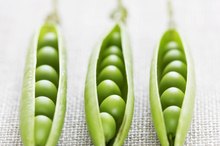
Beans, peas and lentils are legumes, and they are good for high blood pressure because they are high in dietary fiber and potassium. They are also good sources of magnesium, which can help control your blood pressure. Eat at 1½ cups of legumes per week, as part of your vegetable intake. Limit your sodium intake by choosing low-sodium canned legumes or by cooking them without salt.
- Beans, peas and lentils are legumes, and they are good for high blood pressure because they are high in dietary fiber and potassium.
- They are also good sources of magnesium, which can help control your blood pressure.
Dark Green Vegetables
Jalapeno Peppers for High Blood Pressure
Learn More
Many dark green vegetables are high in dietary fiber, potassium, vitamin C and magnesium. Romaine lettuce, spring greens and fresh spinach can be foundations of healthy salads, raw broccoli florets are good snacks and cooked broccoli and leafy greens, such as collard or mustard greens, can be side dishes or additions to sauces or casseroles. Include at least 1½ cups per week of dark green vegetables in your diet.
Related Articles
The Health Benefits of Kasha
Learn More

Jalapeno Peppers for High Blood Pressure
Learn More
How Many Calories in Carrot Sticks?
Learn More
Shelled Peanuts: Nutrition Facts
Learn More
What Can You Eat on a Low-Oxalate, Low-Sodium, Low-Protein Diet?
Learn More

Indian Vegetables & Fruits That Help to Reduce Weight
Learn More

Eggs and Blood Pressure
Learn More

Are Snails Healthy to Eat?
Learn More
Which Foods Are the Highest in Starch to Help Put on Weight?
Learn More

South Beach Phase 1 Food List
Learn More
References
- U.S. Department of Health and Human Services; Dietary Guidelines for Americans, 2010; January 2010
- Linus Pauling Institute Micronutrient Information Center; Vitamin C; Jane Higdon; January 2006
- Linus Pauling Institute Micronutrient Information Center; Dietary Fiber; Jane Higdon; December 2005
- Produce for Better Health Foundation: Fruits and Veggies -- More Matters: Key Nutrients in Fruits and Vegetables
- Hypertension
- Essential Hypertension - StatPearls - NCBI Bookshelf
- Hypertension
- Hypertension
- The role of magnesium in hypertension and cardiovascular disease - PubMed
- Role of Dietary Components in Modulating Hypertension
- Effect on Blood Pressure of Daily Lemon Ingestion and Walking
- Role of Dietary Components in Modulating Hypertension
- Effects of Citrus sinensis juice on blood pressure
- Role of Dietary Components in Modulating Hypertension
- Whole blood omega-3 fatty acid concentrations are inversely associated with blood pressure in young, healthy adults
- Fish oil, selenium and mercury in relation to incidence of hypertension: a 20-year follow-up study - PubMed
- FoodData Central
- The importance of potassium in managing hypertension - PubMed
- The Role of Magnesium in Hypertension and Cardiovascular Disease - Houston - 2011 - The Journal of Clinical Hypertension - Wiley Online Library
- Therapeutic Benefits of l-Arginine: An Umbrella Review of Meta-analyses
- FoodData Central
- The effect of nutrition on blood pressure - PubMed
- The effects of pumpkin seed oil supplementation on arterial hemodynamics, stiffness and cardiac autonomic function in postmenopausal women - PubMed
- Effect of Dietary Pulses on Blood Pressure: A Systematic Review and Meta-analysis of Controlled Feeding Trials
- Potential Factors Influencing the Effects of Anthocyanins on Blood Pressure Regulation in Humans: A Review
- Potential Factors Influencing the Effects of Anthocyanins on Blood Pressure Regulation in Humans: A Review
- Food Groups and Risk of Hypertension: A Systematic Review and Dose-Response Meta-Analysis of Prospective Studies
- FoodData Central
- Pistachio Nut Consumption Modifies Systemic Hemodynamics, Increases Heart Rate Variability, and Reduces Ambulatory Blood Pressure in Well‐Controlled Type 2 Diabetes: a Randomized Trial
- effect of tree nut, peanut, and soy nut consumption on blood pressure: a systematic review and meta-analysis of randomized controlled clinical trials | The American Journal of Clinical Nutrition | Oxford Academic
- Drinking carrot juice increases total antioxidant status and decreases lipid peroxidation in adults
- Relation of raw and cooked vegetable consumption to blood pressure: the INTERMAP Study
- Drinking carrot juice increases total antioxidant status and decreases lipid peroxidation in adults
- Beneficial effects of celery (Apium graveolens) on metabolic syndrome: A review of the existing evidences - PubMed
- Relation of raw and cooked vegetable consumption to blood pressure: the INTERMAP Study
- Lycopene and Vascular Health
- Tomato and lycopene supplementation and cardiovascular risk factors: A systematic review and meta-analysis - Atherosclerosis
- Efficacy of flavonoids in the management of high blood pressure - PubMed
- FRUIT AND VEGETABLE CONSUMPTION AND THE INCIDENCE OF HYPERTENSION IN THREE PROSPECTIVE COHORT STUDIES
- Dietary Calcium Intake and Hypertension: Importance of Serum Concentrations of 25-Hydroxyvitamin D
- Food Groups and Risk of Hypertension: A Systematic Review and Dose-Response Meta-Analysis of Prospective Studies
- Effects of herbs and spices on blood pressure: a systematic literature review of randomised controlled trials - PubMed
- Anti-hypertensive Herbs and their Mechanisms of Action: Part I
- Anti-Hypertensive Herbs and Their Mechanisms of Action: Part II
- A Review of Nutritional Factors in Hypertension Management
- Chia flour supplementation reduces blood pressure in hypertensive subjects - PubMed
- Flaxseed consumption may reduce blood pressure: a systematic review and meta-analysis of controlled trials - PubMed
- Dietary Nitrate Lowers Blood Pressure: Epidemiological, Pre-clinical Experimental and Clinical Trial Evidence
- Vascular effects of dietary nitrate (as found in green leafy vegetables and beetroot) via the nitrate‐nitrite‐nitric oxide pathway
- Improvement of hypertension, endothelial function and systemic inflammation following short-term supplementation with red beet (Beta vulgaris L.) juice: a randomized crossover pilot study - PubMed
- A Double-Blind Placebo-Controlled Crossover Study of the Effect of Beetroot Juice Containing Dietary Nitrate on Aortic and Brachial Blood Pressure Over 24 h
- A Single Dose of Beetroot Juice Does Not Change Blood Pressure Response Mediated by Acute Aerobic Exercise in Hypertensive Postmenopausal Women
- Functional properties of beetroot (Beta vulgaris) in management of cardio-metabolic diseases
- Effect of Spinach, a High Dietary Nitrate Source, on Arterial Stiffness and Related Hemodynamic Measures: A Randomized, Controlled Trial in Healthy Adults
- Effect of Spinach, a High Dietary Nitrate Source, on Arterial Stiffness and Related Hemodynamic Measures: A Randomized, Controlled Trial in Healthy Adults
- Effect of Spinach, a High Dietary Nitrate Source, on Arterial Stiffness and Related Hemodynamic Measures: A Randomized, Controlled Trial in Healthy Adults
Writer Bio
Natalie Stein specializes in weight loss and sports nutrition. She is based in Los Angeles and is an assistant professor with the Program for Public Health at Michigan State University. Stein holds a master of science degree in nutrition and a master of public health degree from Michigan State University.