Stay Hydrated, My Friends takes a look at all things hydration, dehydration and the different ways to meet your daily water needs.
Drinking enough water ensures we feel our best, from helping us recover after a workout to keeping our body cool during the sweltering summer heat. But staying hydrated doesn't mean you have to chug a gallon a day or schedule an IV treatment for extra fluids.
For one, drinking water regularly and including water-rich foods in your diet is a great place to start.
Video of the Day
Video of the Day
Whether you have a go-to water bottle you or you jot down how much you're drinking throughout the day, it's important to make sure you're staying on track.
But there's much more to know about hydration, dehydration and avoiding serious health implications from losing too many fluids.
What Being Hydrated Actually Means
Simply put, when you're hydrated, your body has enough water to work properly.
Dehydration occurs when there's not enough water in your body for normal functions — and even mild dehydration can lower your energy levels, per the Mayo Clinic.
When you're hydrated, your body can maintain a normal temperature, lubricate and cushion joints, protect sensitive tissues and properly eliminate waste through urination, perspiration and bowel movements.
"Our bodies are made mostly of water, so any time you're losing water, you're suffering," says sports medicine physician Michael Swartzon, MD.
"On a critical level, water acts as a buffer between the acids and bases in our body, so it allows us to better tolerate heat in the outdoors and acid build-up from exercising."
The best way to stay hydrated is to get enough fluids. A number of factors such as your age, gender, activity level and overall health affect how much water you need, but generally women need about 11.5 cups of water per day and men need about 15.5 cups of water per day, according to the Academy of Nutrition and Dietetics.
"If you're urinating every two to three hours and your urine is clear to pale yellow, that's a sign that your body is hydrated."
However, it's important to note that these estimates include fluids consumed from both foods and beverages, including water.
Considering that you typically get about 20 percent of the water you need from the food you eat (fruits, vegetables and dairy foods are particularly high in water), women need to drink about nine cups (72 ounces) of fluid per day and men need about 12.5 cups (100 ounces) to replace water lost throughout the day, per the Academy of Nutrition and Dietetics.
However, some people (such as those with kidney or heart failure) may need to restrict their fluids, so speak to your doctor about the right amount of water for you.
Why Staying Hydrated Is So Important
Your body will function better on a cellular level when you're hydrated — and you'll feel better, too.
"Fluids are necessary for almost every function in our body," says sports dietitian Anna Mitchell, RD, CSSD. "When you're mildly dehydrated — say, a 2 percent loss in body water — you'll see a decline in your cognitive function and a reduction in sports performance."
Greater dehydration, such as a 3 to 6 percent loss in body water, will lead to more physiological changes such as increased heart rate, decreased sweat production and less blood flow to the skin, she says.
"Dehydration can have many negative impacts, such as high or low blood pressure, which can cause issues with your heart and kidneys," says Melanie Betz, RD, who specializes in nutrition for people with kidney disease. "More severe dehydration can cause acute kidney failure, and certain medications can also put you at higher risk of kidney injury. "
In general, dehydration can increase your risk of medical conditions such as urinary tract infections, kidney stones, gallstones and constipation, per the Harvard T.H. Chan School of Public Health. What's more, fever, exposure to extreme temperatures (very hot or very cold), exercise and excessive loss of body fluids (like diarrhea or vomiting) all increase your fluid needs.
The body's regulation of fluid intake and thirst decline with age, according to the Harvard T.H. Chan School of Public Health, so older adults may need to be extra diligent about tracking their water intake throughout the day.

Signs of Dehydration to Watch Out For
You should drink plenty of fluids before you reach the point of feeling thirsty. By the time you notice thirst, you've already lost up to 1 to 2 percent of your body's water content, per the Mayo Clinic.
"Most people feel moderate dehydration, which is a feeling of thirst, dry mouth, dry lips and dry nasal passages," Dr. Swartzon says. "But other than that, dehydration is pretty silent, which is why heat stroke is so deadly."
Heat stroke, aka hyperthermia, occurs when you spend too much time in high temperatures without getting enough fluids, and the body's cooling mechanisms stop working properly, per Harvard Health Publishing. As a result, heat stroke can be potentially fatal.
Beyond thirst, there are other early warning signs of dehydration to look out for, per the Academy of Nutrition and Dietetics. These include:
- Flushed skin
- Increased body temperature
- Premature fatigue
- Faster breathing and pulse rate
- Decreased exercise capacity
- Increased perception of effort
Later signs of dehydration include:
- Dizziness
- Increased weakness
- Labored breathing with exercise
A key way to check your hydration status is to look at the color of your urine. "If you're urinating every two to three hours and your urine is clear to pale yellow, that's a sign that your body is hydrated," Mitchell says.
Dark or cloudy urine is typically a sign of dehydration, and not urinating at all is a sign of severe dehydration. That said, certain medications, vitamins or even foods like beets can affect your urine color. If your urine color is affected by a factor other than dehydration, you can also check your body weight before and after long periods of intensive exercise.
"You should drink 150 percent of the ounces you lose in body weight," Mitchell says. "So, if you lose two pounds, that's 32 ounces. You should drink 48 ounces of water to make up for water losses over the course of your workout."
Dehydration can occur during any physical activity, even if you're swimming in a pool or skiing on a cold day.
However, some conditions increase your fluid loss through sweat and can lead to a greater risk of dehydration, per the Academy of Nutrition and Dietetics. These include:
- Air temperature: The hotter it is, the more you sweat and the more water you lose.
- Intensity: You'll perspire more if you work out harder.
- Body size and sex: Larger people tend to sweat more and men generally sweat more than women.
- Duration: You'll lose more fluid the longer you work out.
- Fitness: Athletes are cooled through sweat more efficiently than most people since their bodies are used to the extra stress. However, this means they perspire more and need more fluids.
Tip
It may be tempting to wipe away sweat with a towel, but it's actually best to leave it on your skin so it can cool you down. "Otherwise, you're losing that water for no gain in bodily function," says Dr. Swartzon. "When air comes in contact with your skin, it cools down your body, and that works best with water in the medium."
Why Being Dehydrated Can Be Dangerous
Dehydration occurs when your body loses more fluid than you take in, and can't carry out normal functions. This is particularly dangerous for older adults, who naturally have less water in their bodies and may also have conditions or take medications that raise dehydration risk, per the Mayo Clinic.
People with chronic illnesses, such as uncontrolled or untreated diabetes, are at higher risk of dehydration. Even having a cold or a sore throat can make you more likely to get dehydrated since you may not feel like eating or drinking when sick.
Serious complications can occur as a result of dehydration, per the Mayo Clinic. These include heat injury, which ranges in severity from heat cramps to potentially fatal heat stroke, and urinary and kidney problems.
Severe dehydration can also cause seizures or low blood volume shock, which causes your blood pressure and the amount of oxygen in your body to drop.
"You'll lose water anytime you sweat, and you can actually lose a surprising amount," Betz says. "Even sitting outside by the pool or beach can be dangerous because you don't really know how much you're sweating. It's important to drink lots of water during and after those situations."
Warning
Drinking fluids can usually remedy mild to moderate dehydration, but severe dehydration requires immediate medical attention from a doctor, per the Mayo Clinic.
How to Avoid Dehydration
In addition to drinking enough water every day, eating a healthy diet filled with fresh produce is a great way to stay hydrated.
"It's important to know there's water in food like leafy greens and other vegetables and fruits," Dr. Swartzon says. "It's not the main way I'd recommend hydrating, but it certainly does help as opposed to eating very dry foods like chips."
If you're exercising for under an hour, there's likely no need to drink anything other than water to replenish your body's water content and electrolytes.
"However, if you're exercising for over one hour, then there's an electrolyte loss that needs to be replenished with something other than plain water," Dr. Swartzon says. "Otherwise, it could lead to a dangerous electrolyte imbalance that can cause heart rhythm issues and even death."
Electrolytes are minerals found in the blood that help regulate and control the balance of fluids in the body, according to the Cleveland Clinic.
The three major electrolytes are sodium, potassium and magnesium. You can lose electrolytes through sweating, intense exercise, vomiting or diarrhea. Electrolyte imbalance may also lead to muscle cramping and spasms.
Typically, an 8-ounce electrolyte drink contains about 14 grams sugar, 100 milligrams sodium and 30 milligrams potassium, per the Cleveland Clinic. Some specialty electrolyte drinks for endurance athletes may include more potassium and sodium, or additional minerals like magnesium and calcium.
However, be sure to watch out for excess sugar or calories in these drinks. If you're looking for a more natural electrolyte drink, coconut water may be a good option — just check the label and try to avoid drinks with added sugar or artificial sweeteners.
Tip
If you're going on a hike in the summer heat, always bring more water than you think you'll need. According to a small June 2020 study in the International Journal of Environmental Research and Public Health, most hikers did not bring enough fluid with them on their hike to compensate for their sweat loss, which resulted in dehydration.
Overall, experiment with different ways of hydrating to pinpoint what works best for you. There are several strategies that can be used to drink more water, per the Mayo Clinic. These may include:
- Keep water more visible. Make sure you always have a water bottle with you or place sticky notes around your home as reminders to drink up.
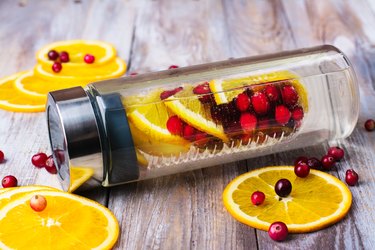
- Flavor your water. No need to add unhealthy sweeteners! Infuse your water with lemon, oranges and other fruits or herbs to add flavor and nutrition to your drink.
- Drink before eating. Make it a habit to sip water before and throughout a meal. This not only helps with digestion, but it can prevent you from overeating since thirst is often confused with hunger.
- Schedule times for drinking water. Perhaps you drink a glass of water every morning when you wake up or before each meeting at work. Habits like these can help make water a more routine part of your day.
Should You Try IV Treatments for Hydration?
The short answer: It's best to skip these. Trendy hydration therapies like “IV cocktails” claim to deliver vitamins and electrolytes intravenously to boost hydration — but they likely won't be beneficial for your everyday hydration needs.
“There’s very little science to show that intravenous fluids are superior at all to oral rehydration with water,” Dr. Swartzon says. “Every study has consistently shown that regular water by mouth works better than anything else. I would not recommend seeking out IV hydration to better your sports performance.”
But, Don't Drink Too Much Water
Of course, there is such a thing as too much water.
Drinking too much can cause hyponatremia, which occurs when your kidneys can't excrete the excess water and your blood's sodium content becomes diluted — which can be life-threatening, according to the Mayo Clinic.
Water toxicity may be a result of drinking water after a long period of exercise without correcting electrolyte losses, psychogenic polydipsia (craving water excessively due to a constant sensation of thirst) or water drinking competitions.
Talk to your doctor about how much water you should be drinking on a daily basis based on your individual needs. If you start taking new medications, ask how they may affect your hydration status or urine color (if you're using that to gauge your hydration levels).
- Mayo Clinic: "Water: How much should you drink every day?"
- Academy of Nutrition and Dietetics: "How Much Water Do You Need"
- Harvard T.H. Chan School of Public Health: "Water"
- Mayo Clinic: "Want to stay hydrated? Drink before you're thirsty"
- Harvard Medical School: "Heat Stroke (Hyperthermia)"
- Academy of Nutrition and Dietetics: "Hydrate Right"
- Mayo Clinic: "Dehydration"
- Cleveland Clinic: "Electrolyte Drinks: Beneficial or Not?"
- American Heart Association: "How much sugar is too much?"
- StatPearls: "Water Toxicity"
- International Journal of Environmental Research and Public Health: "Hiking Time Trial Performance in the Heat with Real-Time Observation of Heat Strain, Hydration Status and Fluid Intake Behavior"