Magone/iStock/GettyImages
The P90X workouts are an intense training regimen designed to help you cut weight and get into shape. However, exercise is only one part of the equation—without proper nutrition, your results from the workouts will be less than optimal. The P90X Nutrition Guide offers serving sizes, meal plans and schedules meant to compliment the P90X workouts.
The P90x Nutrition Guide is divided into three phases: Phase 1, or Fat Shredder; Phase 2, or Energy Booster; and Phase 3, or Endurance Maximizer. The first is aimed at helping you lose weight quickly, while the second is a long-term, well-rounded eating plan. The third phase reintroduces carbohydrates for more endurance and energy.
Start the Day
P90X is an intense workout, so it's not something you should try to do on an empty stomach, even if you're used to getting up and working out immediately. However, you also don't want to eat within an hour of working out to avoid stomach upset.
For breakfast, wake up and eat immediately. If you plan to workout within an hour or two, eat approximately 200 calories; if you plan to wait 3 hours, you can eat up to 500 calories.
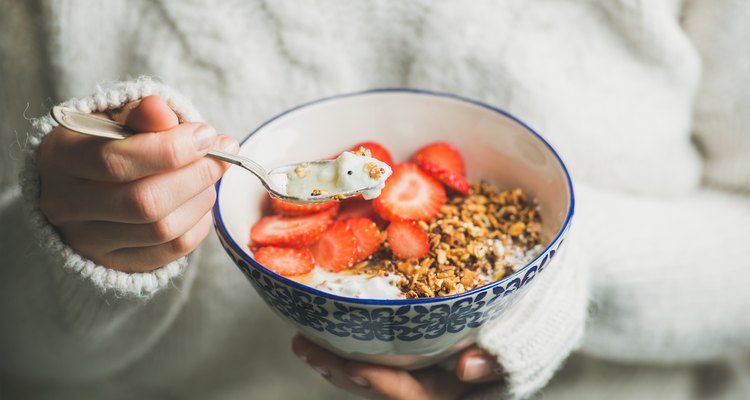
The P90X Nutrition Guide recommends a mushroom omelet with fresh strawberries and cottage cheese or a protein shake as options during the Fat Shredder phase. During Energy Booster, try a cup of oatmeal with skim milk, protein powder and raisins or a whole-wheat bagel with cottage cheese and an orange. In the final phase, Endurance Maximizer, breakfast options include whole-grain waffles with peanut butter, skim milk and a banana or low-fat granola with nonfat yogurt and strawberries.
Foxys_forest_manufacture/iStock/GettyImages
Mid-Day Meal
Throughout the day, follow the same guide to eating as you did for breakfast—avoid eating with only an hour or less to go for your workout. If you have three hours or more, feel free to eat a full meal.
The Fat Shredder phase calls for a lunch such as a chef salad or a shrimp stir-fry with sesame seeds and cashews. During phase 2, eat a lunch such as a grilled chicken burrito with gazpacho or a tuna salad roll-up on a whole-wheat tortilla with sprouts, tomato and a peach. For Phase 3, try a veggie burger on a whole-grain bun with salad greens and dressing and melon, or a vegetarian tostada with fruit salad.
A Hearty Dinner
Your evening meal should be about six hours after lunch. Because dinner is generally the largest meal of the day, it's not recommended that you work out after your meal. If you perform your exercise in the evening, exercise before your dinner. Depending on your lifestyle, you may find that you lack the energy to effectively perform your workouts in the evening.
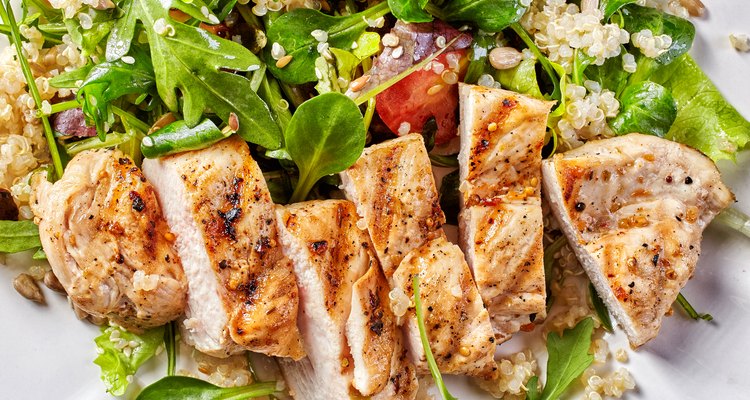
A healthy dinner during Phase 1 might be swordfish with a mango-ginger sauce, wild rice and an artichoke or chicken breast with honey-chile sauce, quinoa and snap peas.
During Phase 2, try a lean burger party with melted cheese, baked potato, salad and fresh berries. A hearty dinner during Phase 3 might be salmon with quinoa, broccoli and grapes, or chicken with barbecue sauce, baked beans, salad and fruit salad.
Snacks
The P90X Nutrition Guide recommends eating snacks about three hours in between each meal. Eating snacks such as nuts, string cheese or turkey jerky throughout the day conditions your body to continue to burn a steady amount of calories all day long, rather than triggering your "feast and famine" reflex, which increases fat storage. As always, exercise before your snack or at least an hour after you have eaten.
Related Articles
Black Beans As a Pre-Workout Food
How Many Calories Are for Breakfast, ...
Foods to Eat After Playing Football
Kaiser Hotdog Diet
Diets of Asian Martial Artists
The Harcombe Diet Food List

How Much Vegetables Per Day Can I Have ...
Can I Exercise on the Master Cleanse ...
High Fiber & Protein Diet Menus
Couch to 5K Diet
The Samurai Diet
Flat Belly Diet & Coffee
A Healthy Zumba Meal Plan
How to Get Fit in 4 Weeks
Black Beans As a Pre-Workout Food
The Calories in Seafood Paella
Vegetables to Eat While on the Medifast ...

What to Eat for Dinner After a Long ...
Foods to Avoid to Prevent Gout
Which Is Healthier, Lima Beans or ...
References
Writer Bio
Donivan Gillis began writing professionally in 2010, with his work appearing on LIVESTRONG.COM. He has been studying martial arts since 1996 and has been teaching since 2002. He studied business management at Polomar College in San Marcos, Calif.