When you have the flu, the aches, pains, fatigue, chills, vomiting and loss of appetite can make food unappealing and difficult to stomach. But getting the proper nutrients is critical for recovering quickly and regaining your strength and energy.
Read more: Foods to Eat During a Stomach Virus
Video of the Day
Video of the Day
As soon as you're able, begin to add nutrient-dense foods back into your diet. When choosing foods to eat after stomach flu, pay special attention to hydration and beverages with protein, electrolytes and probiotics.
Take It Slow
What you should eat and when you should eat it are individual matters. While it's important to reintroduce nutritious foods for recovery, you shouldn't do it before you're ready. Many people have no appetite after the stomach flu, and depending on your stomach flu recovery time, it could be a while before you can eat a regular meal.
When you've been eating very little for a longer period of time, it's best to start out slow. Instead of eating a huge meal, eat several small meals a day to allow your digestive system plenty of time to process the foods.
Replace Fluids and Electrolytes
Dehydration is a major risk with the flu. Vomiting and diarrhea can cause fluid loss and deplete minerals called electrolytes, including sodium, potassium, magnesium and chloride. These minerals are important for you to replenish because they help balance fluids in your body. They're also in charge of balancing your body's pH level, moving nutrients into and wastes out of your cells, and ensuring optimal functioning of your muscles, nerves, heart and brain.
In addition to drinking plenty of water and other liquids, eat electrolyte-containing foods. Some examples include leafy greens, meat, eggs, tomatoes, lettuce, celery, whole grains, nuts, beans, bananas, sweet potatoes and cooked spinach.
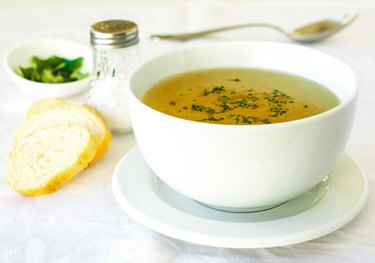
Many foods are also high in water content, so you can get some nutrients into your body and hydrate at the same time. Examples include celery, cucumbers, strawberries, watermelon, oranges, and nutritious broths and soups.
Improve Your Gut Health
Any kind of illness, but especially a stomach virus, can wreak havoc on your gut. Gut health is crucial for overall health, including that of your immune system, so it's important to eat foods that bring your gut back into balance.
Helpful bacteria called probiotics restore the bacterial balance in your digestive system and prevent the bad bacteria from making you ill. Some examples of probiotic-rich foods include:
- Yogurt
- Kimchi (pickled cabbage)
- Kefir (fermented milk drink)
- Miso
- Sauerkraut
- Tempeh
- Kombucha (fermented tea)
Some of these foods may not appeal to you right after being sick — especially kimchi and sauerkraut. Yogurt, kefir, miso, tempeh and kombucha may be better tolerated at first.
Pack in Protein
You probably already know that protein supports the health of your muscles and bones. It's also important for a healthy immune system that can fend off viral and bacterial infections. Too little protein in your diet can leave you feeling weak and fatigued, which will stall your recovery and make you feel worse. Focus on getting your protein from high-quality, lean sources such as:
- Chicken breast
- Lean meat
- Fish
- Eggs
- Dairy
- Tofu and tempeh
- Nuts and seeds
Many of these protein sources will also provide vitamins, minerals, electrolytes and probiotics that your body needs for a quick recovery.
- National Institutes of Health: National Institute of Diabetes and Digestive and Kidney Diseases: Eating, Diet, & Nutrition for Viral Gastroenteritis (“Stomach Flu”)
- MedlinePlus: Fluid and Electrolyte Balance
- Rush Health & Wellness: Body Electric
- WebMD: What Are Probiotics?
- WebMD: Top Foods With Probiotics
- WebMD: Are High-Protein Foods Good for the Immune System?
Is this an emergency? If you are experiencing serious medical symptoms, please see the National Library of Medicine’s list of signs you need emergency medical attention or call 911.