
























5 Things You Need to Know About Pregnancy: First Trimester

1. It Begins With Your Last Period

Most women don't realize they're in the first trimester of pregnancy until it's well under way. A woman is pregnant for 40 weeks, and the first 14 weeks make up your first trimester. Those weeks begin to count on the first day of your last period. Conception occurs around week two or three, and implantation occurs around the time you would have your next period. That's about the time that most women start to wonder if, in fact, they're pregnant.

2. Morning Sickness and More

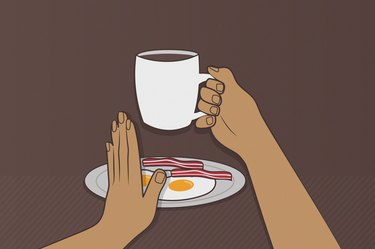
Morning sickness is just one pregnancy symptom that shows up during the first trimester. Women first feel pregnancy symptoms about the time of a missed period. Common symptoms include breast tenderness, headaches, heartburn, fatigue, food aversions and cravings and, of course, nausea. Your raging hormones are the cause for these symptoms. Thankfully, your hormones, and your symptoms, level out around the end of your first trimester.

3. Caring for Two

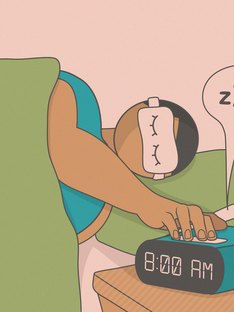
The first trimester of pregnancy is a time of remarkable development for your baby. During the first 14 weeks, your baby grows at a faster rate than at any other time during pregnancy. That's why it's so important to take care of yourself right now. Consult with your doctor before taking any medication because it could cause harm to your growing baby. Medications you take regularly might need adjusting because of the pregnancy. Avoid alcohol and problem foods like lunch meat, fish containing mercury and beverages containing caffeine. Pregnancy symptoms might also interfere with your regular sleep patterns. Take every possible opportunity to catch up on your sleep, whether it's a 15-minute catnap on your lunch break or a chance to go to bed early at night.

4. Spill the Beans

When to tell friends and family of your pregnancy is a personal decision. Some families can't keep the exciting news to themselves, while others try to wait until the end of the first trimester in the event of a miscarriage. When you do decide to spill the beans, choose an approach appropriate for the situation. For example, throw a party when you tell your parents that they're going to be grandparents. However, maintain a professional attitude when you tell your boss.

5. The Risk of Miscarriage

First trimester miscarriage occurs in about 1 in 8 known pregnancies. In a large majority of these cases (about 70%), miscarriage occurs because the fetus was not developing normally. The further you are into your first trimester, the lower your risk of miscarriage. After you see the heartbeat on an ultrasound, your risk of ultrasound is considerably lower. After 12 weeks, the risk of miscarriage drops to about 1%. Even after a first trimester miscarriage, you can still try again for a healthy baby. You are just as likely to have a healthy pregnancy as you were before you got pregnant.

Last updated on: Nov 18, 2009

Must see: Photo Galleries