






5 Things You Need to Know About Alcohol's Effect on Joint Pain

1. Determine Whether the Problem is Drinking

Some people report pain in their joints, especially their knees and wrists, after drinking alcohol. However, researchers have not be able to identify a link between alcohol consumption and joint pain. Studies instead suggest that obesity is more often associated with joint pain than any lifestyle factors such as alcohol consumption or smoking. Nevertheless, there are some ways that alcohol might indirectly contribute to joint pain.

2. Pain May Indicate Another Condition

Heavy alcohol use is a risk factor for gout, an inflammatory condition of the joints caused by a buildup of uric acid in the body. Gout is painful, and it commonly occurs in your feet and knees. Alcohol consumption also can promote weight gain, which in turn puts an extra strain on the bones and joints, causing joint pain and increasing the risk of osteoarthritis.

3. Don't Mix

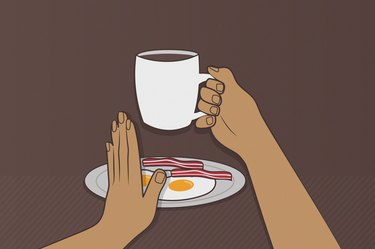
Alcohol can interfere with the efficacy of some pain medications and exacerbate the side effects of others. People taking medicine for joint pain might find that the medicine is less effective when they are drinking, and others may skip doses of pain medicine in order to drink. Combining alcohol with non-steroidal anti-inflammatory drugs, such as ibuprofen, can cause stomach upset. Acetaminophen, another common pain reliever, and alcohol are processed by the same parts of liver. Taking the two together can overload that organ and make it work less efficiently. Narcotic pain relievers should never be taken with alcohol because both cause drowsiness, and the combination can be fatal.

4. Don't Party Too Hearty

There are other ways that alcohol can indirectly affect joint pain. Sometimes the activities people perform while drinking, such as dancing, are the actual source of the pain. When people fall asleep while intoxicated, they may lie for long periods in one position or in a position they might not normally sleep in, and this is another possible source of joint pain the next day.

5. Look Closer

If you notice joint pain after drinking, review your situation carefully to determine the contributing factors. Consider whether there were other occasions when you felt this pain. Examine if anything else make your joints hurt and think about what were doing while you were drinking. Just standing on your feet all evening in a bar can be a factor. Recall whether you took any medication on the day you were drinking. If you don't come up with a likely cause, consult your health care provider to determine if there's anything serious going on, or whether there are lifestyle changes that might help you become pain free.

Last updated on: May 25, 2012

Must see: Photo Galleries