Lithium is best known as a prescription medication used to treat psychiatric disorders. However, you may be surprised to learn that there are natural sources of lithium. While not an essential nutrient, it's been theorized that small doses of the metal may protect against mental decline.
Many of the foods high in lithium are also rich in other health-promoting nutrients that support overall wellness and can certainly make a healthy addition to any diet plan. But the evidence that lithium can improve brain health and function and reduce risk of conditions such as dementia and Alzheimer's disease is mixed.
Video of the Day
Video of the Day
Tip
Lithium is found in trace amounts in many different whole foods, including potatoes, tomatoes, cereals, cabbage and mineral water. However, the amount of lithium may vary depending on the area of the country or world where the food is grown.
What Is Lithium?
It may be hard to remember, but you may have first learned about lithium in chemistry class as the element below hydrogen on the periodic table. First discovered in 1817, according to a May 2019 article published in Biological Trace Element Research, lithium is found in the earth's crust and when in solid form is one of the least dense elements.
It's been suggested that lithium may be an essential nutrient, which means your body needs a regular dose of the metal for normal function. According to the authors of the article in Biological Trace Element Research, it's been proposed that a 154-pound person needs 1,000 micrograms of lithium a day, or about 6.5 micrograms per pound. However, the authors also note lithium distribution in the earth's crust and soil varies significantly throughout the world.
While there's no lithium-deficient syndrome, according to a February 2018 review published in Journal of Clinical Psychiatry and Neuroscience, it's been noted that people who are deficient in lithium tend to have unstable moods and increased agitation. Lithium deficiencies are also associated with an increased rate of suicide and violent crimes.
Despite some evidence that supports the body's need for lithium, the Food and Nutrition Board of the Institutes of Medicine has not listed lithium on any of the nutrient recommendation tables.
Read more: 12 Foods That Can Improve Mood
Lithium and Psychiatric Disorders
Lithium has been used as a treatment for bipolar disorder since 1949, according to the review in Biological Trace Element Research. Bipolar disorder is a disorder of the brain that causes abnormal shifts in mood that affect everyday activities. People with bipolar disorder generally fluctuate between states of depression and mania, which causes a frenzied or abnormally excited mood that affects behavior and sleep.
According to MedlinePlus, lithium is prescribed to prevent episodes of mania. It works by decreasing the abnormal activity in the brain that causes the excited mood. To benefit from the medication, people with bipolar disorder need to take it every day in order to keep lithium levels elevated and stable. Lithium doses vary based on age and weight, but most adults need 1,200 milligrams a day, according to Mayo Clinic.
For perspective, 1,000 micrograms of lithium (proposed amount to prevent lithium deficiency) is equal to 1 milligram of lithium. Lithium needs for the treatment of bipolar disorder are significantly higher than the proposed needs to prevent a deficiency and protect against changes in mood and behavior.
Foods High in Lithium
There are many natural sources of lithium that can help you meet the proposed lithium needs. However, that amount of lithium in food products may vary depending on the area of the world the food is grown, as well as the time of year. According to the review in Biological Trace Element Research, overall lithium intake in Europe is low, but the amount consumed is greater during the winter months than the summer months.
According to Biological Trace Element Research, natural sources of lithium include:
- Nuts: 8.8 micrograms per gram of dry weight
- Cereals: 4.4 micrograms per gram of dry weight
- Fish: 3.1 micrograms per gram of dry weight
- Vegetables: 2.3 micrograms per gram of dry weight
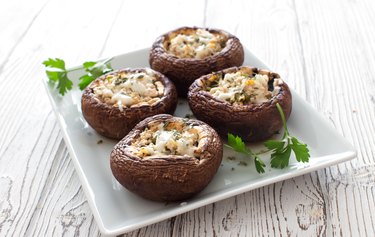
- Mushrooms: 0.19 microgram per gram of dry weight
- Dairy: 0.5 microgram per gram of dry weight
- Meats: 0.012 microgram per gram of dry weight
If you're looking to add the foods high in lithium to your diet to improve your lithium levels, the authors of the review in Biological Trace Element Research note that cereals, potatoes, tomatoes, cabbage and some mineral waters are the best sources of the metal.
Lithium is also found in various spices, including coriander, nutmeg and cumin. However, the amount of lithium in these spices may vary depending on the region of the world the spice is grown.
Tap water is a also a source of lithium, but the amount varies significantly.
Read more: Mineral Water and Pregnancy
Lithium and Dementia
According to the World Health Organization, dementia affects 50 million people worldwide, and every year 10 million people are newly diagnosed. Dementia is a progressive condition that causes a decline in cognitive function that affects quality of life, and it's considered one of the primary causes of disability and dependence in the aging population.
Higher, long-term exposure to lithium in drinking water may decrease risk of dementia, according to an October 2017 study published in JAMA Psychiatry. This Danish, nationwide, population-based, nested case-control study included over 70,000 Danish residents diagnosed with dementia and a control set consisting of over 700,000 people.
The researchers also used geographic data to assess the amount of lithium exposure in the study population. According to the findings of the study, those with higher intakes of lithium had lower rates of dementia.
However, the authors of the 2017 JAMA Psychiatry study noted that while lithium may offer some protection against the onset of dementia, they could not rule out that the effects may also be due to other outside environmental factors not controlled for in the study.
A similar study, also published in JAMA Psychiatry in July 2018, looked at the association between levels of lithium in the water and onset of dementia as well as bipolar disorder in the United States. However, the researchers of this study controlled for other factors.
While it was noted that there was a lower incidence of dementia in areas with higher amounts of lithium in the water, just like the Danish study, when the researchers controlled for other factors, such as age, access to health care and ethnicity, there was no difference.
- Royal Chemistry Society: "Periodic Table"
- Biological Trace Element Research: "Is Lithium a Micronutrient? From Biological Activity and Epidemiological Observation to Food Fortification"
- Journal of Clinical Psychiatry and Neuroscience: "Nutritional Lithium"
- The National Academies Press: "Dietary Reference Intakes for Vitamins A, K and Trace Elements"
- National Institutes of Mental Health: "Bipolar Disorder"
- MedlinePlus: "Lithium"
- Mayo Clinic: "Lithium (Oral Route) Proper Use"
- World Health Organization: "Dementia"
- JAMA Psychiatry: "Association of Lithium in Drinking Water With the Incidence of Dementia"
- JAMA Psychiatry: "Association Between Groundwater Lithium and the Diagnosis of Bipolar Disorder and Dementia in the United States"