
Your body requires the essential nutrients zinc and selenium on a daily basis to function properly. Zinc helps your body make proteins, heal wounds and maintain its immune function, while selenium is an antioxidant that aids in reproduction and thyroid hormone metabolism. Many foods that are rich in zinc are also excellent sources of selenium, and they're also high in protein.
Nutrient Requirements
Video of the Day

The amount of zinc and selenium your body needs daily is based on your age and gender. For example, adult men need 11 milligrams of zinc each day, while adult women require 8 milligrams, pregnant women need 11 milligrams and nursing women require 12 milligrams, according to the Institute of Medicine. The IOM also notes that the daily selenium needs are 55 micrograms for adult men and women, 60 micrograms for pregnant women, and 70 micrograms for breast-feeding women.
Video of the Day
Meat, Poultry and Seafood

Protein-rich beef, turkey, chicken, shrimp, lobster and fish are all excellent sources of both zinc and selenium. For example, 3 ounces of beef provides about 7 milligrams of zinc and 33 micrograms of selenium, while 3 ounces of chicken contains about 2.4 milligrams of zinc and 22 micrograms of selenium. Three ounces of crab provides 6.5 milligrams of zinc, and 3 ounces of shrimp contains about 40 micrograms of selenium, according to the Office of Dietary Supplements.
Dairy Foods
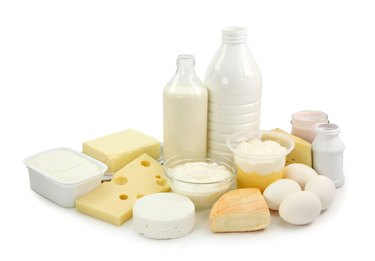
Dairy foods, such as milk, yogurt and cheeses, are dietary sources of both zinc and selenium, although they are generally lower in these nutrients than meats, poultry and seafood. The Office of Dietary Supplements reports that 1 cup of yogurt provides 1.7 milligrams of zinc and 8 micrograms of selenium, and 1 cup of low-fat milk contains about 1 milligram of zinc and 8 micrograms of selenium. Cottage cheese is a rich source of selenium, providing about 20 micrograms per cup.
Nuts and Legumes
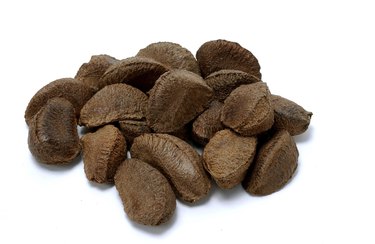
Nuts -- including cashews, almonds and Brazil nuts -- and legumes, such as baked beans, lentils, chick peas and kidney beans, are excellent sources of zinc and selenium. The Office of Dietary Supplements reports that Brazil nuts are packed with 544 micrograms of selenium in just 1 ounce, which is about six to eight nuts, while one-half cup of baked beans provides almost 3 milligrams of dietary zinc.