A List of Biotin-Rich Foods
Biotin, also known as vitamin H, forms a part of the B complex group of vitamins. Like other B vitamins, biotin helps your body turn food into fuel for energy. This water-soluble vitamin also assists in the metabolism of fats, carbohydrates and amino acids, the basic building blocks of protein. As a result of being water-soluble, biotin is not stored in your body. Intestinal bacteria can manufacture biotin, however. You can meet your daily biotin requirement, which is 30 micrograms per day, by eating biotin-rich foods.
Yeast, Grains and Nuts
Brewer's yeast and nutritional yeast are good dietary sources of vitamin H. A 7-gram packet of yeast provides 1.4 to 14 micrograms of biotin, according to the Linus Pauling Institute. Whole grains and whole-grain products contain respectable amounts of biotin. Eating a slice of whole-wheat bread will give you between 0.02 and 6 micrograms of vitamin H. Nuts such as almonds, peanuts, pecans and walnuts are other sources of biotin.
Eggs and Dairy
Side Effects of Eating Raw Seafood
Learn More
Eggs, especially the yolks, have one of the highest concentrations of biotin, with one large cooked egg offering 13 to 25 micrograms of biotin. Raw egg whites, however, contain a protein called avidin that prevents the absorption of biotin in your body, the University of Maryland Medical Center reports. Dairy products such as milk and cheese are natural sources of this vitamin. Cheddar cheese provides 0.4 to 2 micrograms of biotin per 1-ounce serving.
Meat and Fish
Liver contains high levels of biotin, with 27 to 35 micrograms of biotin in 3 ounces of cooked liver. Other organ meats such as kidney store significant amounts of biotin. Three ounces of cooked pork provides about 2 to 4 micrograms of biotin. Biotin can also be found in fish such as salmon and sardines. Cooked salmon has 4 to 5 micrograms of biotin per 3-ounce serving. The Linus Pauling Institute states that a 3-ounce serving of meat is the size of a deck of cards.
Fruits, Vegetables and Legumes
What Foods Have Zinc and Cobalt in Them?
Learn More
Most fresh vegetables contain biotin, says the Colorado State University Extension. One cup of raw cauliflower will provide you with 0.2 to 4 micrograms of biotin. One whole avocado has about 2 to 6 micrograms of this water-soluble vitamin. And a cup of raspberries supplies 0.2 to 2 micrograms of biotin. Soybeans and other legumes such as black-eyed peas and beans contain biotin. Bananas, nut butters and mushrooms are other biotin-containing foods.
Related Articles
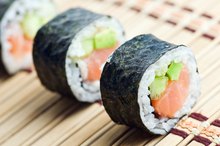
Side Effects of Eating Raw Seafood
Learn More
What Foods Have Zinc and Cobalt in Them?
Learn More

3 Vitamin Deficiencies That Can Affect the Health of Your Nails
Learn More

Biotin Benefits in Children
Learn More
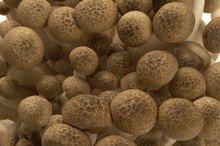
Vitamin B-12 in Mushrooms
Learn More
Retinol Rich Foods
Learn More
Foods and Vitamins to Help Heal Nerve Endings
Learn More
Food Sources of PABA
Learn More

3 Specific Uses of Enzymes in the Human Body
Learn More

5 Common Vitamin Deficiencies Linked to Chapped Lips
Learn More
References
Writer Bio
Mala Srivastava covers health and business for several online publications. She holds a Master of Science in microbiology from India's HNB Garhwal University and a Master of Pharmaceutical Business Management from ICFAI University.