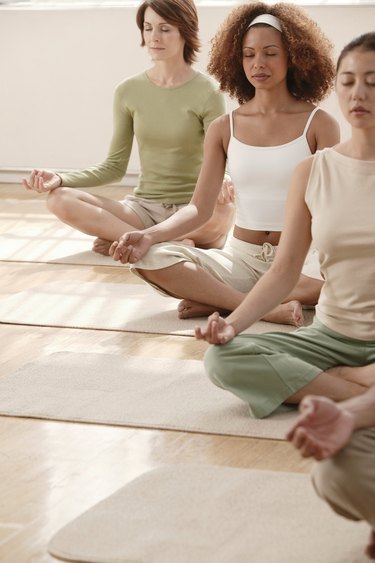
In modern life, we are often bombarded with information and sensory input, triggering the "fight-or-flight" response. The hypothalamus, in turn, causes the adrenal glands to release stress hormones such as adrenaline and cortisol. Chronically elevated stress hormone levels can lead to high blood pressure, anxiety, insomnia, depression, and obesity.
Meditation, yoga, and breathing exercises can be useful, natural tools for relaxing the nervous system and ensuring mental and physical health.
Video of the Day
Video of the Day
Achieving Balance
Although you cannot avoid stress, working out regularly can help you manage it.
Aerobic exercise increases the flow of blood and oxygen to the body, normalizes blood pressure and heart rate, boosts your energy, and reduces fatigue. Physical activity also lowers the levels of the stress hormone cortisol, while stimulating the release of mood-elevating endorphins.
The American College of Sports Medicine recommends 30 minutes a day of exercise such as walking, bicycling, swimming, or playing tennis to get your heart pumping and shed excess tension. [ref 1]
Breathe Deeply
Specific breathing exercises may also be used to calm the nervous system. While stress stimulates the sympathetic nervous system, breathing practices supply the brain with increased oxygen and stimulate the parasympathetic system, which has the opposite effect, eliciting a relaxation response.
Studies on post-traumatic stress disorder have found that mind-body techniques which include deep breathing and meditation can effectively reduce stress and anxiety. [ref 2] Deep, slow breathing relaxes the nervous system and promotes a sense of calm.
Serenity Instead of Stress
Meditation quiets your mind, focuses your thoughts, and calms your nerves. Many everyday sources of stress, such as traffic jams or anxiety about the future, are out of your control. You can learn, however, to take charge of where your thoughts – and energy – flow.
Visualization, or guided imagery, as well as chanting can help clear your mind. Neuroimaging studies have shown that the use of meditation to relieve anxiety, pain, and stress can actually alter the structure of the brain. [ref 3]
Yoga, Tai Chi, and Feldenkrais are stress-reducing activities that lead to relaxation through mindfulness and meditation.
Reach Out
Adequate social support enhances a person's ability to cope better and adapt more quickly to life's setbacks, changes, and transitions. [ref 4] One study found that people who reach out to others for support are more likely to adopt healthy behaviors under stress and to be more confident and optimistic about the future.
The American Psychological Association recommends talking it out with friends, family members, or co-workers.
If you feel you would benefit from stress management assistance, or if you continue to feel overwhelmed, you may wish to consult a psychologist or licensed mental health professional.
- Circulation: Physical Activity and Public Health in Older Adults
- Journal of Investigative Medicine: Mind-Body Practices for Posttraumatic Stress Disorder
- World Journal of Radiology: Neural Mechanisms of Mindfulness and Meditation: Evidence from Neuroimaging Studiesl Transcriptome Changes in Energy Metabolism, Insulin Secretion and Inflammatory Pathways
- PLOS: Social Relationships and Mortality Risk
- American Psychological Association : Stress Tip Sheet
Is this an emergency? If you are experiencing serious medical symptoms, please see the National Library of Medicine’s list of signs you need emergency medical attention or call 911.