What does fact checked mean?
At Healthfully, we strive to deliver objective content that is accurate and up-to-date. Our team periodically reviews articles in order to ensure content quality. The sources cited below consist of evidence from peer-reviewed journals, prominent medical organizations, academic associations, and government data.
- MedlinePlus: Gastroesophageal Reflux Disease
- National Digestive Diseases Information Clearinghouse: Heartburn, Gastroesophageal Reflux (GER), and Gastroesophageal Reflux Disease (GERD)
The information contained on this site is for informational purposes only, and should not be used as a substitute for the advice of a professional health care provider. Please check with the appropriate physician regarding health questions and concerns. Although we strive to deliver accurate and up-to-date information, no guarantee to that effect is made.
Worst Foods to Avoid for Acid Reflux
Acid reflux and heartburn are common, with approximately 10 percent of the U.S. population experiencing them on a regular basis, reports Jackson Siegelbaum Gastroenterology. Medically known as gastroesophageal reflux disease, acid reflux develops when the esophageal sphincter opens and involuntarily releases stomach contents back into the esophagus 1. This causes burning sensations and associated acid reflux symptoms. There are certain foods you should avoid to reduce or prevent acid reflux 2.
If you are experiencing serious medical symptoms, seek emergency treatment immediately.
Acidic Foods
Certain acidic food sources can create acid reflux symptoms by causing the esophageal sphincter to relax and allow stomach contents to flow backwards into the esophagus. The esophagus guides the digestion process by transporting food from the mouth to the stomach. Certain foods that lead to acid reflux include citrus juices and fruits, ketchup, tomatoes and tomato sauces. However, acid reflux symptoms attributable to citrus fruit consumption varies from person to person. According to the University of Illinois, lemons, grapefruit and oranges contain high acid contents that frequently leads to acid reflux in some individuals.
- Certain acidic food sources can create acid reflux symptoms by causing the esophageal sphincter to relax and allow stomach contents to flow backwards into the esophagus.
- According to the University of Illinois, lemons, grapefruit and oranges contain high acid contents that frequently leads to acid reflux in some individuals.
Fatty Foods
How Acid Reflux Creates Shortness of Breath
Learn More
Fried or fatty foods tend to decrease digestive functions, keeping food in your stomach longer. As a result, stomach pressure increases and exerts additional pressure on the weakened esophageal sphincter, which allows stomach acids to regurgitate into the esophagus. High-fat, dairy and deep-fried foods can contribute to these symptoms as well.
Caffeine and Alcohol
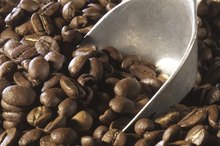
All types of coffee, both decaffeinated and regular, reduce pressure in the esophagus, which can aggravate acid reflux. Beer, wine and alcohol can also increase acid reflux. Alcoholic and carbonated beverages makes it easy for stomach acids to back flow into the esophagus by relaxing the lower esophageal sphincter. Alcohol can also increase stomach acid production. The University of Illinois McKinley Health Center notes that chocolate contains caffeine and heavy concentrations of theobromine, an agent which allows gastric acids to enter the esophagus by relaxing the lower esophagus.
- All types of coffee, both decaffeinated and regular, reduce pressure in the esophagus, which can aggravate acid reflux.
- The University of Illinois McKinley Health Center notes that chocolate contains caffeine and heavy concentrations of theobromine, an agent which allows gastric acids to enter the esophagus by relaxing the lower esophagus.
Related Articles

How Acid Reflux Creates Shortness of Breath
Learn More
The Best Foods to Eat for GERD Patients
Learn More

Foods to Avoid With Esophagitis
Learn More
What Over the Counter Medications Can Be Taken for Gastritis?
Learn More
How Much EPA & DHA Are in Chia Seeds?
Learn More
Grapefruit Juice & Beta Blockers
Learn More

Pyloric Ulcer Symptoms: Edema, Abdominal Pain When Sitting
Learn More

What Causes Abdominal Bloating After Eating?
Learn More

Side Effects of Tylenol 3 With Codeine
Learn More
Congestive Heart Failure & Caffeine
Learn More
References
- MedlinePlus: Gastroesophageal Reflux Disease
- AcidReflux-Heartburn-Gerd.net:Top 10 Acid Reflux Foods to Avoid
- National Institute of Diabetes and Digestive and Kidney Diseases. Symptoms & causes of GER & GERD. November 2014.
- National Institute of Diabetes and Digestive and Kidney Diseases. Diagnosis of GER & GERD. November 2014.
- Harvard Women's Health Watch. 9 ways to relieve acid reflux without medication. Harvard Health Publishing. September 10, 2019.
- US Food and Drug Administration. Over-the-counter (OTC) heartburn treatment. March 3, 2018.
Writer Bio
Kelly Taylor has been writing since 2000. She has written for the "Advocate," "HealthCare Daily" and other magazines. She holds a Master of Science in nursing from Louisiana State University.