Gastroesophageal reflux disease (GERD) is a serious form of acid reflux that can be both triggered and treated with your diet. If you have GERD, it may feel like a lot of foods are off-limits. But luckily, there's still plenty that you can eat, including the best fruits and vegetables for GERD.
Before learning what fruits and vegetables you can eat with acid reflux, let's back it up: Acid reflux is a condition that occurs when your esophageal valve weakens or relaxes when it shouldn't. This allows stomach contents like food or acid to flow backwards into your esophagus, causing irritation, per the U.S. National Library of Medicine (NLM).
Video of the Day
Video of the Day
GERD occurs when you have chronic or severe acid reflux, and can cause damage to the esophagus or lead to cancer.
Per the NLM, the symptoms of GERD and acid reflux include:
- A dry cough that won't stop
- Trouble swallowing
- Bad breath
- A sour taste in your mouth
- Excessive burping
Fortunately, many people can manage GERD with the help of dietary changes. For instance, foods to avoid with GERD may include high-fat foods, chocolate, caffeine, alcohol and citrus, according to the International Foundation for Gastrointestinal Disorders (IFFGD).
On the flip side, there are also plenty of GERD-safe fruits and vegetables. Below, learn which produce is best for preventing reflux.
Tip
There's no one diet to relieve GERD symptoms, as trigger foods can vary from person to person, per the IFFGD. Instead, keep a food diary to track which foods cause symptoms. This can help you craft the best acid reflux diet for you.
1. Bananas
Foods that contain more acid are more likely to trigger acid reflux, according to Johns Hopkins Medicine. That's why it's best to avoid acidic citrus fruits and tomatoes.
Fortunately, there are plenty of lower-acid fruits to pick from instead. In fact, eating plenty of fruit is linked to lower risk for GERD, according to a November 2017 study in the Journal of Research in Medical Sciences.
The study found that people with the highest fruit intake had a 25 percent lower risk of developing GERD. Those who ate the most fruits and vegetables had a 33 percent lower risk of getting the condition.
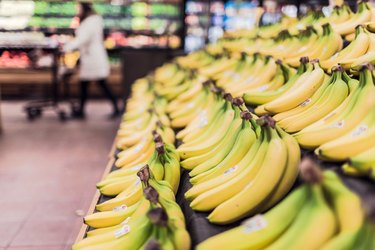
Bananas were among the fruits that people reported eating. And indeed, this alkaline (that is, non-acidic) fruit can help balance out the acid from your stomach so you might avoid GERD symptoms, per Johns Hopkins Medicine.
2. Melons
The same goes for melons, according to Johns Hopkins Medicine. These alkaline fruits — including varieties like honeydew, cantaloupe and watermelon — can quell strong stomach acid.
And mitigating your stomach acid can help prevent irritation from reflux.
3. Apples
Does an apple a day keep the GERD away?
Well, no one fruit (or any type of food, for that matter) can cure reflux. But apples are a safe choice to munch on when you have the condition, according to the IFFGD.
4. Pears
Pears are likewise OK to eat if you have GERD, according to the IFFGD.
That's because they're lower in acid than other options like citrus and tomatoes, which means they're less likely to trigger your symptoms.
Are Strawberries Bad for Acid Reflux?
Strawberries are acidic, according to UC Davis, which means they have the potential to cause reflux. Kiwis are also a type of berry (yes, really), and whether or not they're good for GERD may depend on your personal sensitivity to the fruit.
Your best bet: Keep track of which fruits do and don't cause symptoms. If certain types of berries trigger reflux, then it's probably best to avoid them. If not, then they may be safe for you to eat.
5. Leafy Greens
Vegetables are an important part of a balanced diet, and some may be better for GERD than others. If you're a fan of leafy greens in particular, you may be wondering if spinach is good for acid reflux.
Green leafy veggies like spinach are good for GERD and acid reflux, according to the Mayo Clinic. That's because spinach is not acidic, and thus shouldn't instigate reflux.
If you're looking for more veggies to eat with spinach, other leafy greens to enjoy include:
- Arugula
- Kale
- Swiss chard
- Beet greens
- Bok choy
- Collard greens
- Dandelion greens
- Rapini
6. Asparagus
In general, green vegetables are a safe bet when it comes to GERD-friendly foods. That's because many of them are loaded with fiber, an essential nutrient that promotes good digestion and can help manage reflux. Fiber also helps you feel full and may inhibit overeating, thereby preventing heartburn from eating too much, per Johns Hopkins Medicine.
In fact, a June 2018 study in the World Journal of Gastroenterology found that when people with GERD added 12.5 grams of soluble fiber to their diet every day, they experienced less heartburn on a weekly basis.
And asparagus is one such fiber-rich food, which is why it's OK to eat when you have acid reflux, according to Johns Hopkins Medicine.
How Much Fiber Should You Eat Per Day?
Per the 2020-2025 Dietary Guidelines for Americans, adults should aim to eat the following amount of the nutrient every day:
- People assigned female at birth: 22 to 28 g
- People assigned male at birth: 28 to 34 g
7. Broccoli
Broccoli is another great source of fiber that shouldn't lead to reflux, according to Johns Hopkins Medicine.
It's also low in acid, which further secures its GERD-safe status.
8. Cauliflower
Similarly, cauliflower is a nutritious addition to your GERD diet. This alkaline vegetable can help neutralize the strong stomach acid that irritates your esophagus, according to Johns Hopkins Medicine.
And, like other veggies, cauliflower is rich in fiber, which may help prevent GERD-related discomfort and support your overall wellbeing.
Tip
Preparation matters, too. Limit or avoid fried veggies or produce topped with creamy, high-fat or vinegary sauces, as these ingredients can trigger reflux, according to the IFFGD. Instead, opt for grilled, roasted, steamed or baked vegetables with a bit of olive oil on top.
9. Cucumber
Watery foods are also great options if you have GERD, as the H20 can dilute powerful stomach acid and help you avoid discomfort, according to Johns Hopkins University.
Cucumbers contain a lot of water, making them the perfect pick when you're craving something crunchy but want to avoid a flare up.
10. Lettuce
Lettuce is good for acid reflux for the same reason — the leafy veggie contains plenty of water, which can help weaken stomach acid to reduce the odds that you'll experience reflux-related irritation, according to Johns Hopkins University.
What's more, lettuce and acid reflux are a welcome pair because the veggie is typically easy on the stomach, per University Hospitals. That means it likely won't cause irritation to your digestive tract, which can aggravate GERD.
11. Celery
Celery is also full of water, which, like lettuce and cucumber, can help keep irritating stomach acid at bay, according to Johns Hopkins University.
It's also gentle on your stomach, decreasing the odds for digestive discomfort from GERD or other problems, per University Hospitals.
12. Sweet Peppers
Perhaps you've heard that peppers are off-limits if you're trying to avoid acid reflux. And while this is true of spicy varieties, eating sweet peppers is a safe swap if you have GERD, according to University Hospitals.
The mild pepper is much less irritating to your stomach, so it shouldn't trigger reflux like it's hotter counterparts.
Seasonings for Acid Reflux
Not all seasoning is good for acid reflux. For instance, chili powder and white, black and cayenne pepper spices are not good for GERD, as they can relax your esophageal sphincter and allow acid to flow backwards, per Johns Hopkins University.
Instead, stick to GERD-friendly seasonings like ginger. Ginger is a good GERD seasoning option because it's anti-inflammatory and may help reduce irritation in your digestive system.
13. Eggplant
If eggplant parmesan is one of your favorite dishes, then good news: Eggplant is good for GERD (though opt for low-fat parmesan to avoid triggering reflux with cheese).
The purple veggie is a high-alkaline food, meaning it won't add to the acid in your digestive system, per Johns Hopkins University.
14. Green Beans
Green beans are another acid reflux-friendly veggie to work into your diet.
Green beans are good for acid reflux because they're high in fiber, which can help prevent GERD symptoms by keeping you full and supporting healthy digestion, according to Johns Hopkins Medicine.
Peas and Acid Reflux
While you may think of peas as a vegetable, they're actually a type of legume (along with lentils and beans), according to the Mayo Clinic.
Luckily, fiber-rich legumes are typically safe to eat if you have GERD, according to Harvard Health Publishing.
15. Root Vegetables
Root vegetables are another category of plants to add to your GERD-safe meals. These starchy veggies are packed with fiber, which can help you avoid irritation, heartburn and other reflux symptoms, according to Johns Hopkins University.
Root vegetables include:
- Potatoes
- Sweet potatoes
- Carrots
- Beets
- Radishes
16. Fennel
Fennel is another one of the best foods for acid reflux. The veggie is alkaline, meaning it won't compound the acid in your stomach, according to Johns Hopkins University.
It also has a natural soothing quality, which may help ease your GERD discomfort, according to University Hospitals.
Tip
Beyond diet, there are other natural remedies for heartburn you can try, like enjoying smaller, more frequent meals, chewing gum and sitting upright after eating.
- International Foundation for Gastrointestinal Disorders: "Diet Changes for GERD"
- Journal of Research in Medical Sciences: "The Relationship Between Fruit and Vegetable Intake with Gastroesophageal Reflux Disease in Iranian Adults"
- University Hospitals: "The Best and Worst Foods for Acid Reflux"
- U.S. National Library of Medicine: "Acid reflux, Heartburn, and GERD: What’s the difference?"
- Johns Hopkins Medicine: "GERD Diet: Foods That Help with Acid Reflux (Heartburn)"
- UC Davis: "Strawberries: Safe Methods to Store, Preserve, and Enjoy"
- Mayo Clinic: "Mayo Clinic Q and A: Lifestyle changes may ease laryngopharyngeal reflux"
- World Journal of Gastroenterology: "Fiber-enriched diet helps to control symptoms and improves esophageal motility in patients with non-erosive gastroesophageal reflux disease"
- U.S. Department of Agriculture and U.S. Department of Health and Human Services: "2020-2025 Dietary Guidelines for Americans"
- Harvard Health Publishing: "What to eat when you have chronic heartburn"
- Mayo Clinic: "Beans and other legumes: Cooking tips"
Is this an emergency? If you are experiencing serious medical symptoms, please see the National Library of Medicine’s list of signs you need emergency medical attention or call 911.