What does fact checked mean?
At Healthfully, we strive to deliver objective content that is accurate and up-to-date. Our team periodically reviews articles in order to ensure content quality. The sources cited below consist of evidence from peer-reviewed journals, prominent medical organizations, academic associations, and government data.
The information contained on this site is for informational purposes only, and should not be used as a substitute for the advice of a professional health care provider. Please check with the appropriate physician regarding health questions and concerns. Although we strive to deliver accurate and up-to-date information, no guarantee to that effect is made.
The Basic Requirements for a Healthy Life
Living life involves knowledge about basic survival skills paired with making connections to people who help you get your needs met. In the mid-1900s, humanistic psychologist Abraham Maslow identified his theory of the basic needs for successful human progression, deemed the "hierarchy of needs." Within this hierarchy, the first and most important needs included basic survival, or physiological needs, followed by safety and belonging. Although a theory, the hierarchy, paired with medical advancement, is useful as a guideline for healthy living and preventing controllable diseases.
Eat Healthy Food
Eat nutritious foods as they are essential to physiological survival. Skipping meals, eating massive portions or binge eating and consuming high-fat or high-calorie meals limits your energy and nutrient absorption. Food is the basic fuel of life. Start with the basic food groups, like fruits and vegetables, whole grains, dairy and meat. **Choose fresh foods over packaged foods.
** Read nutrition labels and limit the amount of sodium, sugar and saturated fat you consume per serving.
Eat raw or steamed vegetables instead of fried or microwaved items. Use the USDA Food Guide Pyramid as a guideline for food servings and meal planning.
- Eat nutritious foods as they are essential to physiological survival.
Get Physical Exercise
Composition of a Healthy Lifestyle
Learn More
Physical activity is important in reducing your risk of obesity, diabetes and heart disease. It also stimulates your mental wellness by increasing brain chemicals involved in regulating your mood, sleep and appetite. The American Heart Association advises exercising for at least 30 minutes a day by walking, joining a fitness class or engaging in yard work 2. For every hour you engage in exercise, like walking, you may add two hours to your life.
It can be difficult to fit exercise into your daily routine, but try by walking around your neighborhood instead of watching a 30-minute show on television. Get your family involved in exercise to make it fun or ask friends to join you in becoming healthier.
- Physical activity is important in reducing your risk of obesity, diabetes and heart disease.
- Get your family involved in exercise to make it fun or ask friends to join you in becoming healthier.
Steer Clear
Smoking, drinking excessive amounts of alcohol and illicit drug use like cocaine or marijuana increases your risk of liver, lung and heart disorders. Steer clear of drug use altogether and find support to help you stop smoking. Drink no more than seven alcoholic beverages a week if you are female or 14 if you are male.
Seek counselling or a support group if you drink to excess. The U.S. Department of Health and Human Services suggests setting a limit for drinking to moderate consumption 3.
- Smoking, drinking excessive amounts of alcohol and illicit drug use like cocaine or marijuana increases your risk of liver, lung and heart disorders.
- Seek counselling or a support group if you drink to excess.
Take Preventive Measures
Natural Ways to Raise Oxygen Level in Blood
Learn More
With the advent of modern medicine, there are plenty of options for yearly health screenings to catch early signs of disease. Set up annual physical health visits so your physician can provide the necessary interventions.
Take precautions in your daily life by washing your hands before handling food, after using the restroom and in dealing with people in a medical setting. Use prophylactics before engaging in sexual contact and limit sexual partners. Place sunscreen on your body to protect your skin from sun damage. Avoid distractions while driving like texting and talking on the cell phone. Do not drink alcohol or use drugs and drive. Protect yourself from unintended injury from car accidents by wearing a seat belt.
- With the advent of modern medicine, there are plenty of options for yearly health screenings to catch early signs of disease.
- Take precautions in your daily life by washing your hands before handling food, after using the restroom and in dealing with people in a medical setting.
A Balanced Life
Manage your daily stress by taking the time to relax after a long day. Go to a quiet room or listen to calming music. Join a yoga or meditation class to learn breathing and relaxation techniques. Keep in touch with your loved ones and seek support from those you are closest to as a means for coping with stress.
Take the time to socialize on the weekends to nurture your basic need to connect with others in society. Find a healthy balance between work, relationships, home and leisure time.
- Manage your daily stress by taking the time to relax after a long day.
- Take the time to socialize on the weekends to nurture your basic need to connect with others in society.
Related Articles
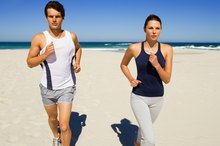
Composition of a Healthy Lifestyle
Learn More
Natural Ways to Raise Oxygen Level in Blood
Learn More
How to Clean Your Liver a Healthy Way
Learn More

Lifestyle Tips For A Healthy Limbic System
Learn More

A Healthy Food Plan for Breakfast, Lunch, Dinner & Snacks
Learn More
How to Stop Eating After Quitting Smoking
Learn More

How Do You Get Alcohol Out of the Body?
Learn More

How to Build Muscle Without Creatine
Learn More

How Do I Clean Lungs After Quitting Smoking?
Learn More
How to Lose Weight in 12 Days
Learn More
References
Writer Bio
Aubri John has been a contributing researcher and writer to online physical and mental health oriented journals since 2005. John publishes online health and fitness articles that coincide with her licensed clinical skills in addictions, psychology and medical care. She has a master's degree in clinical social work and a Ph.D. in health psychology.