
Hard Vs. Soft Soles in Hiking Boots
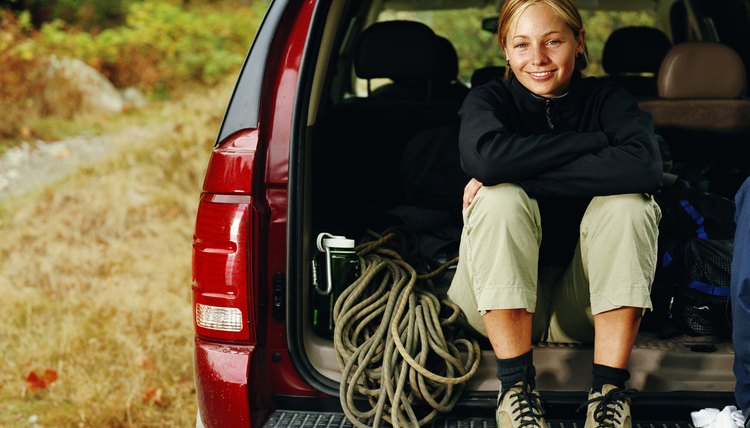
The key difference between hiking boots at your local retailer is the soles. Although they may all feel similar, there are significant differences. The secret to hiking soles lies in the midsoles. Between the rubber bottom and the inside of the boot are layers of protection that vary based on your activity. It is important to understand the advantages and disadvantages of soft- and hard-sole boots, so you can find the right one for you.
Parts of Boot Soles
There are four parts to a boot sole, and each plays an integral role in your comfort. The rubber bottom of the boot is called the outsole. The outsole may have deep lug patterns, which change the level of grip. Just because one pair of boots has a stiffer outsole than the other does not mean it is a better boot. Harder outsoles may be more durable, but they have less traction in slick conditions.
The midsole of the boot is found inside. Midsoles determine a boot's stiffness and lessen the impact of the ground. Sandwiched between the midsoles and outsoles are the shanks and plates. These layers provide specific protections. Shanks help support weight, and plates determine flexibility. These layers vary greatly in different boots.
Soft-Sole Boots
Lightweight hiking shoes and hiking boots are normally constructed with a soft sole. The reason is that they are normally intended for less strenuous use than other boots. They are flexible, light and provide comfort while you're walking on trails. Soft plates in the midsoles allow a hiker's foot to wrap around rocks and tree roots on uneven terrain. Soft-sole boots, however, have thinner shanks in the midsole and will not support heavier loads, such as a backpacking pack, with comfort. But that doesn’t mean they aren’t worth purchasing. If you are a weekend day-hiker, soft-sole boots are the way to go.
Hard-Sole Boots
There are two kinds of hard-sole boots: backpacking and mountaineering. Although both have hard soles, the level of stiffness varies greatly. Backpacking boots are stronger all-around than regular hiking boots, and they have significantly stronger shanks in the midsole to support the heavier load. Backpacking boots need to be flexible and light, but strong enough to tackle difficult terrain over a long time.
Mountaineering boots are as strong and hard as you will find. They are built to carry heavy loads, attach tools like crampons to them and are made to handle extreme elements. Wearing these on day hikes will be uncomfortable; the lack of flexibility hurt a hiker’s feet.
Cost
The price of light hiking boots can range from $60 to $120, with the better boots normally in the upper range of this price scale. Backpacking boots start around $150 and can run as high as $250. Mountaineering boots cost from $270 to $500.
It is important that you are fitted for the right boot for your needs. If you are planning a mountaineering trip this winter and are hoping to scale some snowcapped peaks, cutting cost by purchasing backpacking boots could cause severe injury down the road. Visit your local outdoor retailer to discuss your needs. Having the right soles for your climb or hike helps prevent injury and lets you enjoy your adventure.
References
Writer Bio
Dan Cappello has been a sports journalist and editor since 2007. His articles have appeared in newspapers and magazines such as “Inside Jersey,” “NJ Sports Fitness & Wellness” and “Ultimate Athlete.” Cappello is an Eagle Scout and active leader in the Boy Scouts of America, with more than a decade of outdoor sports experience. He holds a Master of Arts in writing studies.