
Buddhism's 5 Types of Yoga
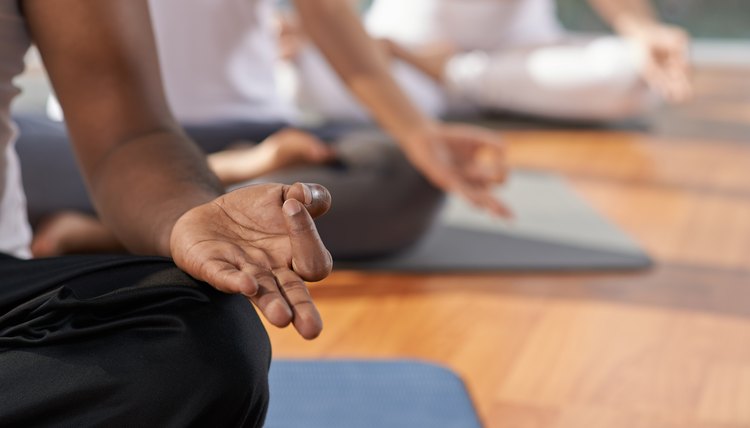
Hatha, Vinyasa, Ashtanga, Bikram and Iyengar may be the five most familiar styles of yoga practiced in Western society today. But these styles have evolved from traditional Hatha — one of the six schools of yoga — which mainly focus on the physical aspect of the practice, the asana.
The other five schools draw more awareness to yoga’s ancient teachings, which include: prayer and meditation, diet and nutrition and ethical living or codes of conduct, in addition to the asanas.
In their book “From Here to Nirvana,” authors Anne Cushman and Jerry Jones share the five schools of yoga widely practiced by Hindus and Buddhists: Jhana, Bhakti, Karma, Raja and Hatha.
1. Jnana Yoga
Also known as the yoga of knowledge, this philosophical and metaphysical practice is studied for the purpose of self discovery. To reach enlightenment, we must dedicate ourselves to the search for truth by asking the right questions.
Yoga guru, Patanjali, taught yogis to meditate on the question, "Who am I?" to gain self-realization and enlightenment and remove our attention from that which we are not.
2. Bhakti Yoga
Also known as the union through devotion and love, Bhakti yoga is the path of selfless love and compassion. It’s intended to be practiced with the intention to “love God with all your heart, mind and soul.”
Sri Yogi Hari explains that Bhakti is to have an intense love for God. Yogis teach this as a personal development tool that will naturally lead one to have love and compassion for all beings and remove feelings of hate, jealousy and vengeance.
3. Karma Yoga
This type of yoga is also known as the school of self-less work. Many have heard the terms "good karma" or "bad karma" to refer to consequences that come from our actions.
Karma Yoga is the sum of all our mental and physical actions, in the life we live now and the one before. These are either for the benefit of others or ones which only benefit ourselves at the sacrifice of others. The latter stems from feelings of greed, pride, anger and fear.
It's the school of serving self-less work to God and humanity by performing acts of kindness and love. Yogis believe karma is based on a universal law, which is: For every action, there is an opposite reaction. By serving others, we invite good acts into our own lives.
4. Raja Yoga
Raja means royal or kind and is referred to as the crown of Hatha Yoga. A Raja yogi is to be fearless and autonomous. The purpose of Raja is to achieve control over the mind and emotions.
Yogi Hari teaches the human mind is a bundle of thoughts which are often fragmented. This agitated mind keeps human beings trapped in a state of stress, anxiety and focused on the external world. This distracts the individual from the happiness he is seeking, which yogis teach, comes from focusing inward on the soul.
This path of yoga takes discipline and time to master, but can be accomplished by practicing Patanjali’s eightfold path, consisting of: the Yamas, Niyamas, Asana, Pranayama, Pratyahara, Dharana, Dhana and Samadhi.
5. Hatha Yoga
This is the face of physical yoga that has inspired most of the practices in Western society and is still heavily practiced in the East. "Ha" means "the sun" and "tha" means "the moon" in sanskrit and are combined to represent the opposite currents that regulate every part of our body.
Hatha mostly focuses on the physical postures — the asanas — of yoga. But also consists of, shatkarmas (cleaning techniques), pranayama (breath control), bandhas (body locks), mudras (hand and finger positions) and samadhi (realization of our highest Self).
Eastern and Western yogis practice Hatha to heal, balance the body's energy, stimulate the seven chakras (centers of spiritual power in our body), and promote well-being.
A Sixth Type
Above are five of the six schools of yoga that are widely practiced in the East. The final practice is one that is the most misunderstood in all parts of the world: tantra yoga.
Some people think it’s a form of sorcery, others believe it is sexual. But Tantra is actually the knowledge concerning truth and mantras to bring purity, devotion, humility and love in our lives. Tantra is slowly becoming more popular in Western society.
Writer Bio
Raquelle Ross is a yogi, lover of real, healthy food & unabashed coffee addict. She's a believer in finding time to break a sweat daily and is a fan of yoga, running, hiking, circuit training and Pilates. On her healthy lifestyle blog, theholisticblogger.com, Raquelle share recipes made with heathy, clean ingredients and geeks out over all-things fitness.