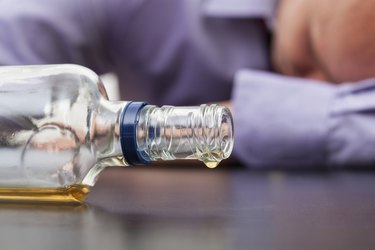
Folic acid is a B-complex vitamin, a water-soluble vitamin primarily found in fortified foods and vitamin supplements. It is not a vitamin inherently found in most foods, and your body does not manufacture it. Folic acid is a stable form of folate, which is inherent in food and the body. Folate is an important nutrient needed for metabolism of critical enzymes and amino acids that is sometimes missing in alcoholics.
Deficiencies
Video of the Day
Folate deficiencies usually are associated with poor diet, common among alcoholics who often skip meals and have incurred a diminished capacity to absorb important nutrients, according to the Linus Pauling Institute. To operate most effectively, folate requires a sufficient supply of B-12 and B-6 vitamins as well. Additionally, folate efficiency is diminished when you take certain medications, such as anti-inflammatory drugs like ibuprofen and phenobarbital, which is sometimes a mainstay of an alcoholic's medication regimen.
Video of the Day
Withdrawal
Alcohol withdrawal can bring on severe side effects. In many cases, you must be hospitalized during this time, according to the National Institute of Alcohol Abuse and Alcoholism. Complications from alcohol withdrawal can lead to seizures and delirium tremors. Initial symptoms can begin as soon as six hours after your last drink. Early symptoms include anxiety, sweating, nausea, irritability and an increased sensitivity to light. Convulsions may occur within two to four days.
Role of Folic Acid
According to the National Institute of Alcohol Abuse and Alcoholism, folic acid plays a role in blood cell formation. A poor diet and damaged digestive system lead to a deficiency in folic acid and a form of anemia. Megaloblastic or macrocytic anemia can occur due to enlarged blood cells that have not divided properly. Thiamine is another crucial nutrient typically lacking in an alcoholic's blood stream during withdrawal from alcohol abuse. Thiamine and folic acid work together to ensure proper metabolism.
Treatment
While undergoing withdrawal treatment, you may be given multivitamins containing thiamine and folic acid for at least a couple of weeks until your anemia has been treated. If you continue to drink after treatment, continue with the synthetic form of folate since even moderate drinking depletes the body's stores of folic acid, according to the Harvard School of Public Health. In addition to treating your anemia, folic acid supplements also can reduce your risk of developing breast and colon cancer and heart disease. When combined with a healthy diet, a multivitamin containing 400 mcg of folic acid is sufficient.