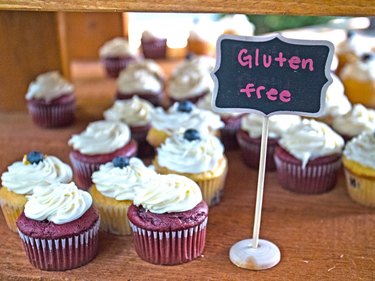
Depending on your health goals, gluten-free diets can be a total lifesaver or a total fad. Although it's medically necessary for people diagnosed with celiac disease or gluten intolerance, gluten-free diets are often (wrongfully) touted as a way to lose weight or feel "healthier."
Here's what you should know about going gluten-free before you decide to eliminate the nutrient entirely.
The Basics of Gluten-Free Diets
Gluten is a protein that occurs naturally in certain grains, including wheat, rye and barley, but it can also be used as an additive in other foods, according to Beyond Celiac. Foods and drinks that you might not think of as being a traditional grain — such as soy sauce or beer (which is typically made from barley) — can often contain gluten.
Certain people don't respond well to gluten, so they need to go on a gluten-free diet plan to feel their best. Sometimes, though, gluten-free diets are touted as a weight-loss plan — if a person loses weight after going gluten-free, it's typically because they've cut out gluten-containing refined carbohydrates and other processed foods, according to Johns Hopkins Medicine. Gluten, itself, is not associated with weight gain.
Those who can medically benefit from a gluten-free diet plan include:
- People with celiac disease: Celiac disease is an autoimmune condition — not a food allergy — in which eating gluten triggers a response that causes small intestine damage, which can lead to long-term health complications. One in 100 people, or 2.5 million Americans, have celiac disease, according to the Celiac Disease Foundation. For these people, even a small amount of gluten can cause symptoms such as gastrointestinal issues, nutrient deficiencies, headaches and impaired growth, so they must go on a lifelong gluten-free diet plan.
- People with non-celiac gluten sensitivity: Also known as gluten intolerance or non-celiac wheat sensitivity, non-celiac gluten sensitivity affects people who have similar symptoms as those with celiac disease but do not test positive for the condition. For these folks, symptoms improve when they go on a strict gluten-free diet plan but return when gluten is reintroduced, according to the American Academy of Allergy, Asthma & Immunology.
The Bottom Line
Maintaining a nutritious gluten-free diet is possible, but it can be difficult to get it right. While it's a must for people with celiac disease and recommended for those with gluten sensitivity, it's not a good diet plan for people who can tolerate gluten.
A Gluten-Free Diet Food List
If you are diagnosed with celiac disease or non-celiac gluten sensitivity, work with a dietitian to determine a gluten-free diet plan that meets your nutritional needs. For example, if you're pregnant or thinking about becoming pregnant, you must ensure you're getting enough folate in your diet, as many foods that contain gluten are fortified with this B vitamin.
Also, children on a gluten-free diet should be monitored for nutrient deficiencies and to ensure they're getting enough B vitamins and fiber in their diets from fruits, vegetables, beans and gluten-free grains.
Foods to Avoid
Sources of gluten, according to the Celiac Disease Foundation, include:
- Wheat, wheat derivatives and products made with them, such as:
- Bread, including sandwich bread, baguettes, rolls, bagels, flatbreads and tortillas
- Pasta and noodles
- Pastries and baked goods, such as croissants, doughnuts, cookies and cakes
- Crackers and pretzels
- Cereal
- Breakfast foods, such as pancakes, waffles, biscuits, French toast and crepes
- Breadcrumbs
- Croutons
- Rye, including rye bread
- Barley
- Triticale
- Malt, including malt flavoring, malt vinegar, malted milk or milkshakes or malt extract
- Brewer's yeast, including beer
These foods include processed lunch meats, soups, sauce and gravies, granola bars, French fries, potato chips, salad dressing and marinades, meat substitutes, soy sauce and pre-seasoned meats.
Tip
Look at the ingredients list for sources of gluten. Instead of wheat, you may see ingredients such as wheat starch, wheatberries, durum, emmer, semolina, spelt, farina, farro, graham, einkorn wheat or Kamut khorasan wheat.
Gluten-Free Foods to Eat
Foods That Might Contain Gluten
A significant number of other foods may include gluten, but you'll want to check by reading the ingredient label or verifying with the manufacturer or brand website. These can include:
- Oats: Oats and oatmeal may be processed in a facility that handles gluten, so make sure your package is marked "gluten-free."
- Soups: Thickeners made from wheat can make their way into store-bought soup, so make sure to check the ingredient list.
- Condiments: Gluten is probably lurking in your salad dressing, soy sauce, ketchup and other sauces.
- Processed meat and meat substitutes: Processed meats like sausage may contain gluten. The same goes for plant-based meat alternatives.
- Soy sauce: A similar product, tamari, does not contain gluten.
Benefits of Gluten-Free Diets
Symptom Relief
If you have celiac disease or gluten sensitivity, the biggest pro of sticking to a gluten-free diet is relief from painful symptoms, such as bloating, constipation, diarrhea, fatigue and abdominal pain. A gluten-free diet is both healthy and enhances the quality of life for those with gluten-related conditions, according to a February 2018 review in Gastroenterology and Hepatology.
A Nutritious Diet
If you make the right food choices, a gluten-free diet plan can be incredibly nutritious. Naturally gluten-free foods include all fruits and vegetables, some (but not all) whole grains, legumes, nuts and seeds and unseasoned meats. By cutting back on the processed foods and refined carbohydrates that contain gluten, you can set yourself up to eat a more nutritious diet.
Disadvantages of Gluten-Free Diets
Risk of Nutritional Deficiencies
Cutting gluten puts you at risk for deficiencies. Some of the nutrients you might be missing out on are fiber, magnesium and folic acid, all of which are vital to your health and may help with weight management, per Harvard Health Publishing. Folic acid is especially important for pregnant people, as it can help prevent neural tube defects.
But you can get both folate and fiber from fruits, vegetables and beans, although you'll need to be intentional about including these foods in your daily diet. If you're cutting back on grains, you should still aim for the recommended 25 to 28 grams of fiber per day, according to the Academy of Nutrition and Dietetics.
But those aren't the only nutrients to worry about. Other vitamins and minerals that may be missing from unfortified gluten-free products include vitamins C, D and B12, as well as calcium, zinc and iron, according to a December 2016 review in Clinical Nutrition.
Increased Grocery Spending
Gluten-free diets becoming more popular means there are more products available than ever for people trying to avoid gluten. But, packaged gluten-free foods — such as gluten-free crackers, bread and pasta — typically come at a higher price tag.
This can be a waste of money for those who don't medically need to eat a gluten-free diet.
A Sample Gluten-Free Meal Plan
A gluten-free diet can be rich in nutrients if you choose the right foods. Here's what a typical day might look like:
Breakfast
- California Scrambled Eggs and Avocado (330 calories, 14 grams protein, 5 grams fiber)
- 1 cup raspberries (64 calories, 1 gram protein, 8 grams fiber)
Lunch
- Roasted Chicken Lettuce Wrap (298 calories, 40 grams protein, 6 grams fiber)
- Tomato and White Bean Salad (227 calories, 9 grams protein, 9 grams fiber)
Dinner
- Quinoa Stuffed Pepper (283 calories, 10 grams protein, 6 grams fiber)
- Roasted Cauliflower (61 calories, 1 gram protein, 2 grams fiber)
Snacks
- Medium banana (105 calories, 1 gram protein, 3 grams fiber)
- Strawberry Greek yogurt (110 calories, 11 grams protein, 0 grams fiber)
Totals for the day: 1,478 calories, 87 grams protein, 39 grams fiber
A Gluten-Free Vegetarian Diet Plan
If you're unable to eat gluten because of celiac disease or intolerance, you can still live a vegetarian lifestyle. Create a gluten-free vegetarian diet plan that revolves around naturally gluten-free foods such as fruits, vegetables, beans, nuts, seeds and alternative grains.
Tip
Talk with a doctor or dietitian to make sure your day-to-day gluten-free, vegetarian meals supply the nutrients you need. Vegetarians are sometimes deficient in zinc and vitamin B12. Many enriched-wheat products, such as cereals and bread, are important sources of these nutrients for vegetarians and vegans.
Because a gluten-free diet does not include these foods, you may need to take supplements.
Ovo-Lacto Plan
Ovo-lacto vegetarians eat eggs and dairy, but no meat, fish or poultry. Here's what an ovo-lacto gluten-free meal plan might look like:
- Breakfast: Go for scrambled eggs for vitamin B12 and protein, along with a glass of calcium-enriched orange juice. Have two slices of buckwheat bread with 1 tablespoon of fruit jam.
- Lunch: Top brown rice with canned refried beans, salsa, sliced avocado and low-fat sour cream.
- Dinner: Boil rice pasta and top it with low-sodium marinara sauce and shredded mozzarella cheese.
- Snacks: Try rice crackers with cheese, nuts, fresh or dried fruit and cut-up veggies with hummus.
Lacto-Vegetarian Plan
A lacto-vegetarian eats dairy, but no eggs or meat. Here's what a lacto-vegetarian gluten-free meal plan might look like:
- Breakfast: Make pancakes with a gluten-free baking mix, water, olive oil and 1 tbsp. of flaxseed meal soaked in 3 tbsp. of water in lieu of the egg. Top with fresh fruit and agave nectar.
- Lunch: Make a salad of cottage cheese, chopped cucumber, chopped tomato and chopped bell peppers. Have it with a bowl of tomato soup.
- Dinner: Make black bean tacos topped with shredded cheddar cheese and salsa on corn tortillas.
- Snacks: Go for yogurt, nuts or puffed millet cereal with low-fat milk.
Vegan Gluten-Free Meal Plan
A vegan plan is the most restrictive as it bans all animal products, including dairy, eggs and meat. Here's what a vegan gluten-free meal plan might look like:
- Breakfast: A smoothie is a good way to fit in extra nutrition without gluten. Blend together a frozen banana, calcium-enriched soy milk, almond butter and a scoop of vegan protein powder.
- Lunch: Have a bowl of lentil soup with a salad of cooked quinoa, white beans, lemon juice, olive oil, cilantro and chopped tomatoes.
- Dinner: Broil portabella mushrooms and serve them over a salad of baby spinach, roasted red peppers, grilled red onion and toasted pecans. Pair this with white rice and tapioca flour rolls.
- Snacks: Go for fresh fruit, soy yogurt, popcorn with nutritional yeast and nut butter on celery or apples.
Warning
Common vegan and vegetarian foods — specifically tofu, seitan, textured vegetable protein and processed veggie burgers and sausages — often include wheat in the ingredients. If you choose to include these foods as part of your diet, read the ingredient lists carefully.
Tips for Going Gluten-Free
When you're trying to figure out how to cut out gluten, it's important to understand which foods contain gluten and get to know your list of safe foods.
But of course, cutting out gluten completely can be a little more complicated than that. Here are a few guidelines that can help:
- Read the ingredient list: Many foods contain hidden gluten, including those you may not even suspect. If you're unsure about a food and not able to check its ingredients (say, when you spot a snack in the office break room), it's probably best to steer clear altogether.
- Stick to foods manufactured in a dedicated gluten-free facility: Gluten is often hidden in the ingredients list, and some foods that do not directly contain gluten may have been produced in a factory that makes wheat products.
- Keep gluten-containing foods away from gluten-free foods: It's best to use different cooking equipment or appliances, as this decreases your risk for cross-contamination.
- Be extra-careful at restaurants: Eating out at a restaurant can be particularly challenging due to cross-contamination. Your food may not have gluten, but it may have been cut on a board or fried with gluten-containing foods. Make sure to tell your server if you have celiac disease or gluten sensitivity.
- Choose baking flour with a "gluten-free" label: Many types of bread, waffle and muffin mixes, pizza crusts and other foods are available without gluten.
- Cook with gluten-free pasta: Many specialty and whole food stores carry pastas made from amaranth, corn, quinoa and rice.
- Watch out for non-food sources of gluten: Some lipsticks, toothpaste and medications contain gluten. According to the Gluten-Free Society, many vitamin supplements are made with grain bases and should be avoided unless they specifically say they are gluten-free.
Additional reporting by Kelsey Casselbury.