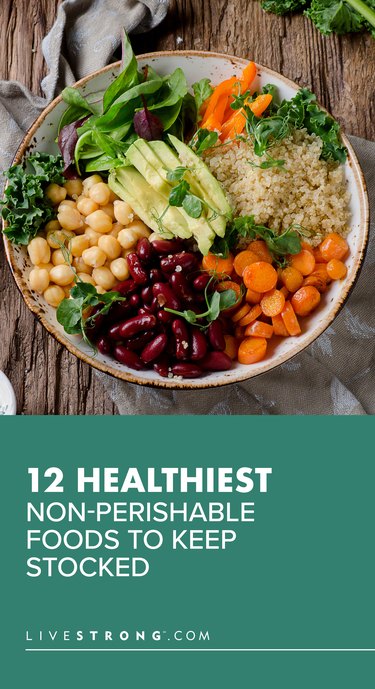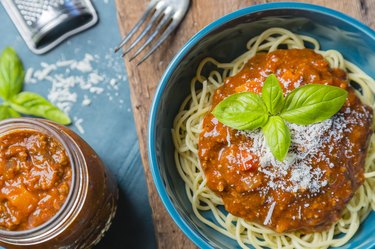
Having a fully-stocked pantry with essential non-perishable foods is a no-brainer. No matter what situation may arise, you'll be able to whip up a good-for-you meal in minutes.
And while some shelf-stable foods can be high in sodium or preservatives, there are plenty of nutritious options on the market.
Video of the Day
Video of the Day
What Are Non-Perishable Foods?
A non-perishable food includes any item that has a long shelf life and doesn't require refrigeration to prevent spoilage. Some examples include canned tuna, pasta, beans, rice and nut butter.
Though many non-perishable food items can be high in sodium and filled with preservatives. "Sodium is always something to be cautious of in canned products," Shena Jaramillo, RD, says. "However, we can easily remedy the problem of high sodium in canned vegetables by washing these products well, which can rinse off up to 70 percent of the sodium."
Also, look out for added sugars or food colorings in canned or dried food, Jaramillo recommends. Luckily, there are plenty of nutrient-dense, shelf-stable options out there, too.
"Having a well-stocked kitchen makes it easy to make the healthy choice readily available," Jaramillo says. "It's much more likely you'll choose nutrient-dense staples such as quinoa or lentils if they are part of a well-stocked home than if they must be purchased at each meal."
Think of it this way: Rather than choosing a frozen pizza after a long day of work, we can easily whip together a lentil stew or other nutrient-dense choice if we have the materials on hand.
12 Healthy Non-Perishable Foods
Whether there's a pressing demand or not, having your pantry stocked with some healthy non-perishable foods is a smart choice. Next time you're at the grocery store, prioritize some of these healthy, shelf-stable items.
1. Low-Sodium Vegetable Soups
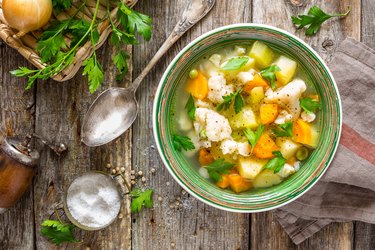
When you're shopping for canned soup, look for a low-sodium option, Maryann Walsh, RD, recommends. "These are a great option for a quick and nutritious meal."
Brands We Love
- Campbell's Low-Sodium Chicken Noodle Soup ($38.81 per pack of 12 on Amazon.com)
- Amy's Organic Lentil Vegetable Soup ($2.49 per can on Amazon.com)
- Amy's Organic Low-in-Sodium Chunky Tomato Bisque Soup ($58.75 per pack of 12 on Amazon.com)
2. Canned or Dried Beans
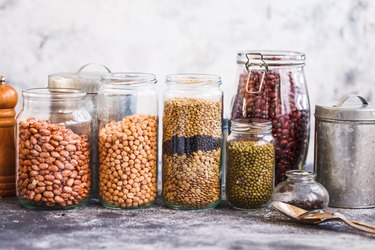
Beans are high in fiber and protein, both of which can help keep you feeling satiated. "I always recommend to drain and rinse canned beans to cut down on some of the sodium," Walsh advises. "Beans are so versatile and source of plant protein."
Brands We Love
- Nature's Greatest Foods Organic Dark Red Kidney Beans ($12.99 per pack of 12 on Amazon.com)
- 365 Everyday Value Organic Black Beans ($0.99 per can on Amazon.com)
- Goya Large Lima Beans ($10.59 per 16-ounce bag on Amazon.com)
3. Quinoa and Brown Rice
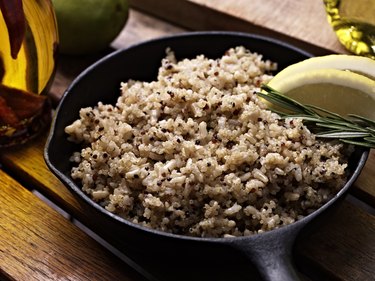
Jaramillo and Walsh recommend keeping either quinoa or brown rice (or both) in your pantry at all times. Both are great sources of filling fiber and are easy to prepare and store in big batches. You can also opt for a blend of different grains, too.
Brands We Love
- Better Body Foods Organic Quinoa ($16.03 per 1.5-pound container on Amazon.com)
- Uncle Ben's Whole Grain Brown Ready Rice ($23.76 per pack of 12 on Amazon.com)
- Lundberg Wild Blend ($20.04 per pack of 6 on Amazon.com)
4. Canned or Packaged Tuna
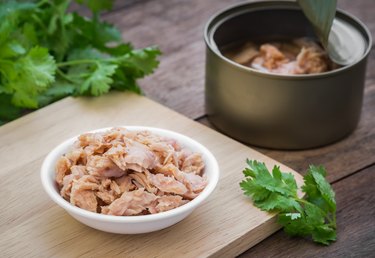
Tuna is an excellent source of lean protein that can be eaten on its own or added to your sandwiches, salads or atop crackers. To cut down on calories, choose tuna that is stored in water rather than oil. And, if possible, opt for an unsalted variety.
Brands We Love
- Freshé Gourmet Canned Tuna Variety Pack ($17.99 per pack of 4 on Amazon.com)
- StarKist Chunk Light Tuna In Water ($4.93 per pouch on Amazon.com)
- Fishing Vessel St Jude Albacore Tuna ($9.99 per 6-ounce can on Amazon.com)
5. Canned Tomatoes or Tomato Sauce
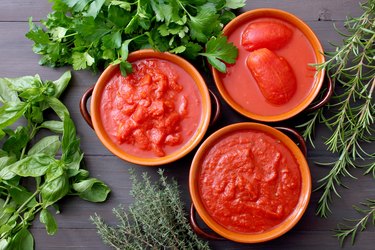
Whether you choose to add some canned tomatoes to your soup or drizzle tomato sauce over your pasta, you can't go wrong with either of these options. When shopping for tomato products, always choose the option with the lowest sugar and sodium contents.
Brands We Love
- 365 Everyday Value Organic Crushed Tomatoes with Basil ($1.71 per can on Amazon.com)
- La Torrente Scarpariello Tomato Sauce ($6.50 per jar on Amazon.com)
- Muir Glen Organic Diced Tomatoes ($1.13 per can on Amazon.com)
6. Nuts and Nut Butter
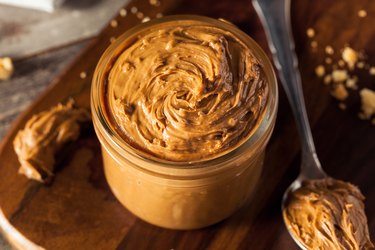
Nuts and nut butters are both shelf-stable and high in healthy fats. Look for nut butters that contain no added sugars or preservatives; in other words, the nut (and some salt, if you sih) should be the only ingredient in the jar.
Brands We Love
- Spread The Love Naked Organic Peanut Butter ($12.99 per jar on Amazon.com)
- RX Almond Butter Jar ($19.17 per pack of 2 on Amazon.com)
- Barney Almond Butter, Bare Smooth ($10.99 per jar on Amazon.com)
7. Whole-Grain Crackers
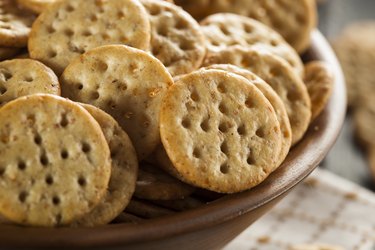
Whole grains contain healthy carbs and these crackers are packed with fiber, making them the perfect snack or base for canned tuna or cold cuts. When shopping for crackers, look for whole grains as a first ingredient on the ingredient list.
Brands We Love
- Mary's Gone Crackers Original Crackers ($25.68 per 6 boxes on Amazon.com)
- Back to Nature Crackers, Organic Stoneground Wheat ($2.50 per box on Amazon.com)
- Wheat Thins Original Whole-Grain Wheat Crackers ($3.53 per box on Amazon.com)
8. Dried Fruit or Fruit Leather
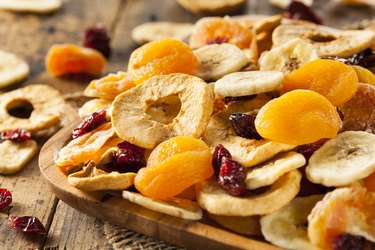
These snacks are a great way to keep fruit on hand without the spoilage factor, says Walsh. Choose varieties that have no (or very little) added sugars or other ingredients.
Brands We Love
- Natierra Nature's Organic Freeze-Dried Strawberries ($4.99 per bag on Amazon.com)
- Stretch Island Fruit Leather Snacks Variety Pack ($14.24 per box of 48 on Amazon.com)
- Sunrise Fresh Dried Fruit Co. of California Dried California Peaches ($8.99 per bag on Amazon.com)
9. Cereal
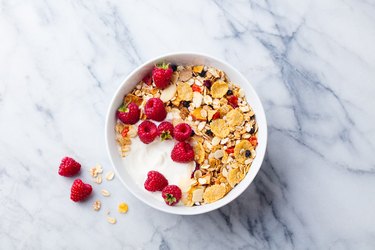
Whether you toss it into a trail mix or eat it for breakfast, cereal stays fresh for a long time with no refrigeration required. Opt for a variety that is made with whole grains and lower levels of added sugar.
Brands We Love
- Three Wishes Grain-Free Honey Cereal ($34.99 per pack of 6 on Amazon.com)
- Quaker Simply Granola, Oats, Honey, Raisins and Almonds ($7.96 per 2 boxes on Amazon.com)
- Kashi 7 Whole Grain Puffs ($2.98 per box on Amazon.com)
10. Protein Bars
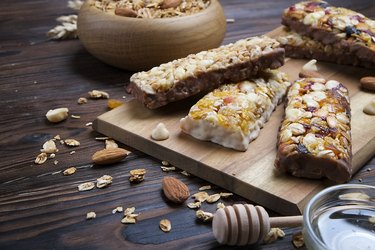
These are a great shelf-stable snack to have on hand, however, not all bars are created equal. Walsh recommends looking for bars that are made with whole foods and minimal added sugars.
Brands We Love
- RXBAR Chocolate Sea Salt ($18.89 per box of 12 on Amazon.com)
- Bulletproof Chocolate Chip Cookie Dough Protein Bar ($34.95 per box of 12 on Amazon.com)
- GoMacro Organic Vegan Peanut Butter Chocolate Chip MacroBar ($29.88 per box of 12 on Amazon.com)
11. Frozen Vegetables and Fruit
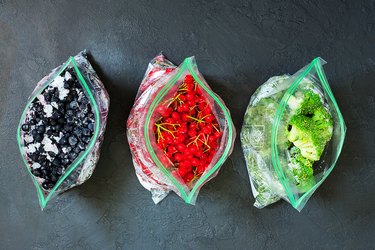
Fruit and veggies are just as nutritious frozen as they are fresh, according to Walsh. And they can last for months in the freezer.
Brands We Love
- 365 Everyday Value Organic Blue Curled Kale ($2.99 per bag on Amazon.com)
- 365 Everyday Value Organic Blueberries ($8.49 per bag on Amazon.com)
- Amazon Brand Happy Belly Frozen Pepper & Onion Blend($1.49 per bag on Amazon.com)
12. Oatmeal
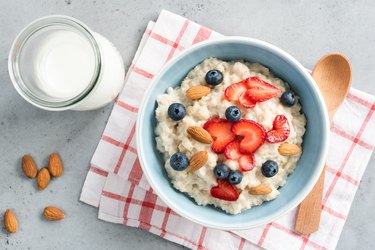
If your pantry isn't already consistently stocked with oatmeal, there's no time like the present! Oats can be eaten on their own or added to almost any recipe to provide a boost of carbs and whole grains.
Brands We Love
- Bakery on Main Gluten-Free Oatmeal Cup, Almond Vanilla ($23.55 per 12 cups Amazon.com)
- Bob's Red Mill Brown Sugar and Maple Oatmeal Cups ($21.99 per 12 cups on Amazon.com)
- McCann’s Regular Instant Irish Oatmeal ($8.58 per box of 12 on Amazon.com)
A Word on Food Safety
While fresh food can go bad quickly if it's not cooled properly, nonperishable foods can fill your belly and keep you safe from foodborne illness, no refrigeration required.
Every year, more than 45 million Americans eat something that makes them sick, according to the Centers for Disease Control and Prevention. Though the germs that cause food-borne illness can come from anywhere, your refrigerator and freezer keep your perishable items (think: milk, meat, eggs and last night's leftovers) out of the danger zone to prevent you from getting sick.
Any perishable item stored at temperatures between 40 and 140 degrees Fahrenheit can potentially lead to food-borne illness, according to the USDA Food Safety and Inspection Service. This temperature range, referred to as the danger zone, promotes bacteria growth.
When you lose power, your refrigerator may not be able to keep your food safe to eat. Keep your refrigerator door shut when you lose power, as it can maintain the proper temperature for up to four hours, according to the USDA. Likewise, your freezer can keep food frozen for up to 48 hours if it's full or 24 hours if it's half full.
Click below to pin and save these tips for later!