Does L-Glutamine Cause Liver Problems?
Glutamine is an amino acid that your body makes on its own. Using a glutamine supplement may be helpful when you have certain medical conditions such as surgery, an infection or prolonged stress because your glutamine levels may become depleted. Glutamine helps your immune system function and also is important for removing excess ammonia from your body. You should not use glutamine supplements, however, if you have liver disease.
If you are experiencing serious medical symptoms, seek emergency treatment immediately.
Identification
The most common form of supplemental glutamine is L-glutamine 6. Glutamine supplements are contraindicated if you have liver disease. This is not because they will cause further damage to your liver but because a damaged liver is unable to properly process the glutamine.
Ammonia-Glutamine Cycle
The Effects of N-Acetyl L-Tyrosine
Learn More
When your liver damage is severe enough to diminish glutamine processing, your ammonia-glutamine cycle is disrupted. Glutamine is a carrier for ammonia, a natural by-product of protein metabolism and other functions in your body. Your liver usually converts ammonia into urea, which your kidneys excrete.
Significance
A disrupted ammonia-glutamine cycle raises your risk for hepatic encephalopathy 3. In this condition your brain function worsens because your liver is no longer able to remove toxic substances like ammonia from your blood. Disorders that reduce liver function include hepatitis and cirrhosis. Hepatic encephalopathy is most often occurs when you have chronic liver disease, but it can occur suddenly even if you’ve had no liver problems when you liver is damaged 3.
Expert Insight
What Does the Liver Do With Amino Acids?
Learn More
Glutamine, as opposed to ammonia, may be partly responsible for the negative impact on your brain when your liver function is impaired. Glutamine appears to accumulate in your brain cells and draw water into them.
Related Articles

The Effects of N-Acetyl L-Tyrosine
Learn More
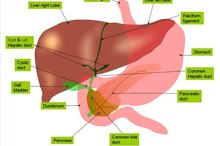
What Does the Liver Do With Amino Acids?
Learn More

Whey Protein Products Containing Creatine Side Effects
Learn More

Glutamine Powder or Capsules
Learn More

Hepatic Encephalopathy Low-Protein Diet
Learn More

Side Effects of Eating Raw Seafood
Learn More
Glutamine and High Blood Pressure
Learn More
The Effect of L-Glutamine on Zoloft
Learn More
Protein, Ammonia & Brain Damage
Learn More

Foods Known to Damage the Liver
Learn More
References
- University of Maryland Medical Center; Glutamine;
- “Interface of Neurology and Internal Medicine”; Jose Biller; 2007
- PubMed Health; Hepatic Encephalopathy; October 2009
- “Journal of Clinical Investigation”; Renal Ammonia and Glutamine Metabolism During Liver Insufficiency-Induced Hyperammonemia in the Rat; C H Dejong, et al.; December 1993
- “Irwin and Rippe’s Intensive Care Medicine”; Richard S. Irwin, James M. Rippe; 2008; page 2206
- Mercola.com; Is Glutamine Supplementation Helpful or Harmful; May 2004
- “The Ultimate Nutrient, Glutamine”; Judy Shabert and Nancy Ehrlich; 1994
- Jayce_ View Profile (PjSanford)
- thunder_thighs View Profile
- KarlDevicky View Profile
Writer Bio
Linda Tarr Kent is a reporter and editor with more than 20 years experience at Gannett Company Inc., The McClatchy Company, Sound Publishing Inc., Mach Publishing, MomFit The Movement and other companies. Her area of expertise is health and fitness. She is a Bosu fitness and stand-up paddle surfing instructor. Kent holds a bachelor's degree in journalism from Washington State University.