
Fundamentals of Basketball: The Five Basic Skills of Basketball (with Video)
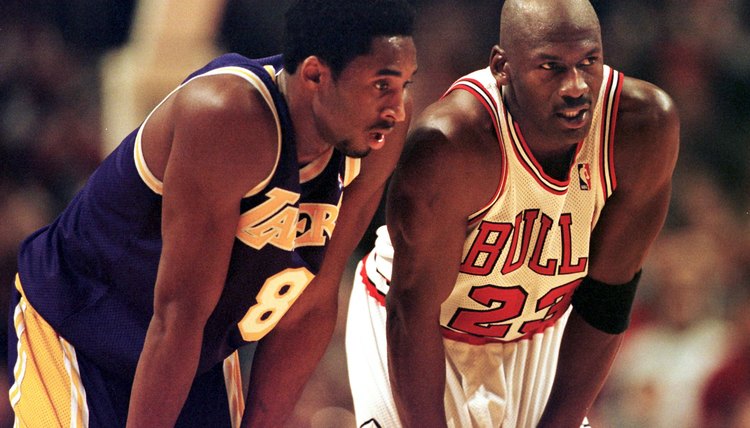
Basketball is a fast-paced game that requires the knowledge and instinct to perform fundamentals quickly and properly. For beginners, the sport of basketball requires five basic skills:
- Dribbling
- Shooting
- Running
- Passing
- Jumping
These fundamental skills are practiced by players of all levels, from beginners to high school players to NBA legends like Michael Jordan and Magic Johnson. While some players might be more experienced with some basketball skills than others, basketball coaches prefer players who have at least some ability in all five areas.
The Five Basic Skills of Basketball
Dribbling
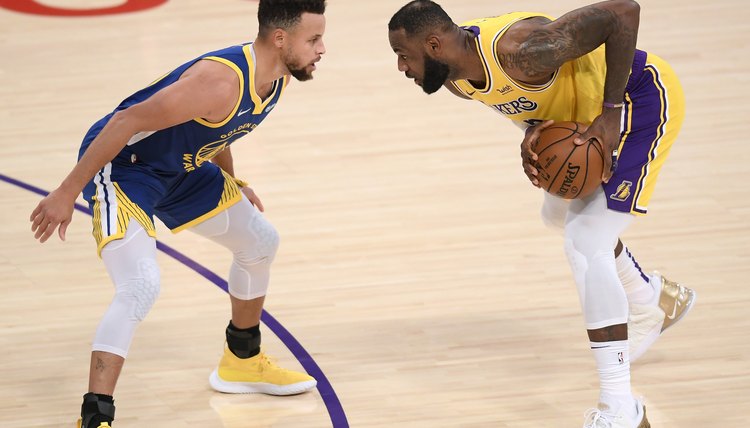
Dribbling is perhaps the most important basketball fundamental for all players. This offensive skill will allow you to move up and down the court, maneuver past defenders and execute plays. As players move up in level, dribbling requires ball-handling skills with both hands and the ability to perform a variety of crossovers.
Many basketball players incorporate some kind of dribbling drills in their warm-up for games. One player who does this is Steph Curry, whose drills are so complex and fascinating that fans will get to games early to watch him practice dribbling.
Shooting
In order to score points and be an effective offensive player in the game of basketball, you need to be able to shoot the ball into the hoop. A proper shot requires precise aiming, arm extension, lift from the legs, and a strong follow through. There are different types of shots you need to learn, including layups, free throws, and three-pointers.
Shooting skill development often involves being able to shoot from many areas on the basketball court, as no one scoring opportunity is the same as another. Many basketball drills focus on improving a player’s jump shot, and Los Angeles Lakers’ coach takes shooters through some of them in this video:
Running
Running is an understandably important skill of basketball. In a full-court game, you will find yourself running back and forth as the game quickly transitions between offense and defense. When you have the ball, running will help you to avoid defenders and get to the basket quicker. As a defensive player, you often will find yourself needing to run after the opponent, especially during fast breaks, to prevent an easy layup or dunk.
Passing
Because you are on the court with four other players from your team at all times, it is incredibly important to be able to effectively pass the ball, even if you are not a point guard trying to accumulate assists.
In order to be a great passer, players must master the three types of passes:
- Chest pass: A chest pass is thrown from the passer’s chest to the receiver’s chest without bouncing
- Bounce pass: A bounce pass is also thrown from the passer’s chest to the receiver’s chest, but it is bounced in between the two players.
- Overhead pass: An overhead pass is thrown from above the head from a greater distance than a typical chest or bounce pass should be made
Jumping
Jumping is another skill that can define how good a basketball player is. Jumping is involved in offense during the jump ball in the beginning, while taking shots, fighting for an offensive rebound off of missed shots, and sometimes while trying to catch a pass.
On defense, you will need the ability to jump when trying to block a shot or a pass. Being able to out jump your opponent for a rebound also is important.
Writer Bio
Tom Stewart started writing radio news, sports and entertainment scripts for live broadcast in 1992 and has worked as a producer, writer and on-air personality at several radio stations in Southern New England, including WPRO, WQSX and WKCD. He has extensive knowledge of news, sports and entertainment. Stewart studied mass communications and marketing at Rhode Island College.