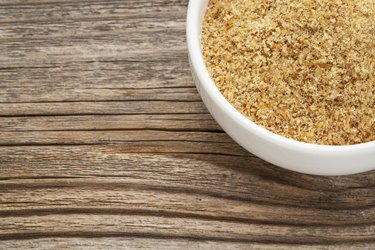
With a whopping 7.8 grams of fiber per ounce, flaxseeds fill you up quickly and support digestive health. Flaxseed meal is just as nutritious but easier to digest. Both foods can improve your diet and add crunch to salads, cookies, crackers and other homemade snacks.
Tip
Flaxseed meal is produced by grinding whole flaxseeds — all you need is a coffee grinder or a blender. Use it in homemade bread, whole-grain muffins, granola bars, smoothies and puddings to boost their flavor and nutritional value.
Video of the Day
Flaxseed Meal Versus Ground Flaxseeds
Flaxseeds are a healthy addition to oatmeal, pancakes, granola, energy bars and home-cooked meals. Rich in dietary fiber and protein, they promote satiety and keep your digestive system running smoothly.
Video of the Day
Each serving (1 ounce) provides 152 calories, 12 grams of heart-healthy fats, 5.2 grams of protein and 8.2 grams of carbs, including 7.8 grams of fiber. These tiny seeds are also rich in vitamin K, vitamin E, zinc, magnesium, copper, phosphorus and iron.
Read more: Secrets of 16 Strange and Popular Superfoods
The problem with whole flaxseeds is that they might not be completely digested, notes the Mayo Clinic. Therefore, your body cannot fully absorb the nutrients found in this functional food. To fully reap the benefits, consider using flaxseed meal, or ground flaxseeds.
According to the Flax Council of California, flaxseed meal is obtained by grinding whole flaxseeds. This way, they become easier for your body to digest and break down. Depending on your preferences, you can buy flaxseed meal or prepare it at home using a blender or coffee grinder. Store it at room temperature for up to 10 months to preserve its freshness and nutritional value.
Ground Flaxseed Nutrition Facts
Whether ground or whole, flaxseeds are a powerhouse of nutrition. This functional food is 20 to 30 percent protein and boasts large doses of omega-3s, lignans, ferulic acid and other phytonutrients. Furthermore, it's gluten-free and has an amino acid profile similar to that of soy, as reported in a September 2014 review in the Journal of Food Science and Technology.
These tiny seeds contain up to 800 more lignans than other plant-based foods. Diets rich in lignans have been linked to lower rates of heart disease, reports Oregon State University. Some studies suggest that these polyphenols may also protect against ovarian, endometrial and breast cancers, but more research is needed to confirm.
The potential benefits of flaxseed meal and ground flaxseeds are largely due to their high content of fiber, lignans and alpha-linolenic acid (ALA). These compounds may help reduce inflammation, blood pressure, cholesterol levels and blood sugar levels. Fiber, for example, may increase bowel movement frequency and aid in weight management. In clinical trials, flaxseed meal has lowered blood glucose levels and improved blood lipids, according to the Journal of Food Science and Technology review.
It's important to note that flaxseed meal also contains phytic acid, linamarin and cyanogenic glycosides. When consumed in large doses, these anti-nutrients may affect vitamin absorption. Flaxseed side effects may also include gas, bloating and diarrhea. Allergic reactions can occur too, warns the Mayo Clinic.
To stay safe, try not to exceed 50 grams of flaxseeds per day. If you're taking birth control pills or medications for diabetes, high blood pressure or blood clotting, it's better to avoid these seeds altogether as they may cause drug interactions. Also, be aware that flaxseeds may reduce the absorption of oral medications.
How to Use Flaxseed Meal
Some foods, such as whole-grain bread, multi-grain flour, granola bars, breakfast cereals and even cookies, may contain flaxseed meal or whole flaxseeds. A growing number of manufacturers are adding them to baked goods and dairy foods. The proteins and carbohydrates isolated from flaxseed have been shown to improve bread quality and loaf volume, according to the Journal of Food Science and Technology. Additionally, they help increase the nutritional value of baked goods.
Incorporating flaxseed meal into your diet is simple. This functional ingredient can handle high heat and makes a healthy addition to both savory and sweet dishes. Consider using flaxseed meal in smoothies, banana bread, buttermilk pancakes, homemade granola, energy bars and even meatloaf.
Another option is to mix it with oatmeal for extra fiber and protein. With its nutty flavor, flaxseed meal makes breakfast taste a lot better. You can also sprinkle it over peanut butter toast, fruit salads or mac and cheese. If your recipe calls for breadcrumbs, use flaxseed meal instead.
Read more: Blueberry Flaxseed Yogurt
This ingredient can be also mixed with spices and used as a coating for fish, pork or chicken fillets. Add flaxseed meal to applesauce or smoothies to make them thicker. For a delicious pudding, combine flaxseed meal, raw honey, milk and vanilla extract in a small bowl, refrigerate it for about half an hour, stir well and enjoy.
- USDA: "Nutrition Facts for Flax Seeds"
- Mayo Clinic: "Does Ground Flaxseed Have More Health Benefits Than Whole Flaxseed?"
- Flax Council of California: "Flax Meal"
- Journal of Food Science and Technology: "Flax and Flaxseed Oil: An Ancient Medicine & Modern Functional Food"
- Oregon State University: "Lignans"
- Mayo Clinic: "Flaxseed and Flaxseed Oil"
- Voprosy Pitaniia: "Nutritional Value and Functional Properties of Flaxseed"
- Mayo Clinic: "Dietary Fiber: Essential for a Healthy Diet"