olgakr/iStock/Getty Images
Zinc is a type of mineral essential to life. It originates in the soil and is absorbed by plants, including those that produce fruit, and, in turn, the animals that eat those plants. The human body cannot create zinc on its own and so must obtain it from foods on a regular basis. Zinc can be found in various edible substances, including nearly all fruits, albeit often in insignificant quantities.
Absorbability

Jacek Chabraszewski/iStock/Getty Images
Fruits aren’t the best sources of dietary zinc. Most all fruits contain some zinc, but frequently only in trace amounts. Furthermore, zinc obtained from plant sources such as fruits and grains isn’t as readily absorbed by the body as zinc obtained from animal sources like meat and dairy products. This is because a relatively high phytic acid content in plant proteins hinders humans’ ability to absorb zinc.
Avocados
tycoon751/iStock/Getty Images
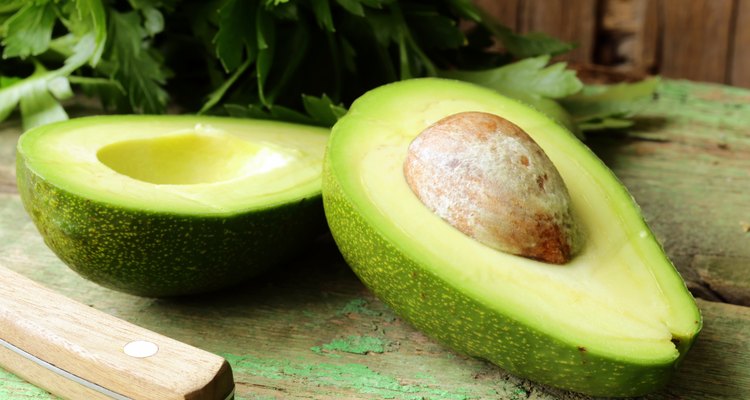
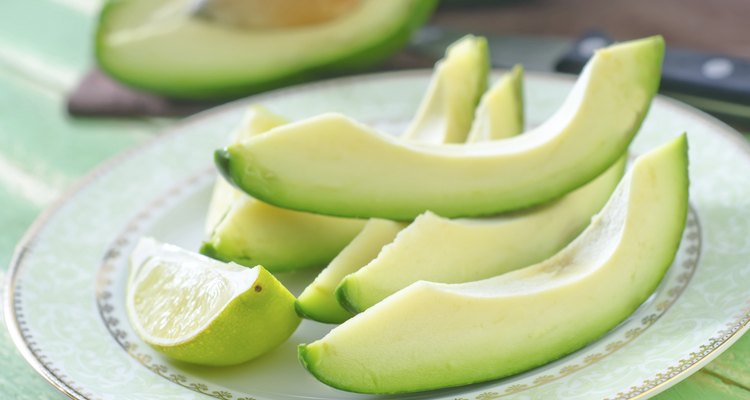
The RDA for zinc is 11 milligrams for men and 8 milligrams for women. The fruit with the absolute highest concentration of zinc per serving is the avocado, clocking in at about 1.3 milligrams. Avocados are often associated with guacamole and tortilla chips, but can also be eaten plain or with salt, sliced onto a sandwich, green salad or tropical fruit salad or even pureed with milk or yogurt into a sweet chocolate or vanilla smoothie. Avocados turn brown when exposed to air, so consume them immediately, or wrap them tightly in plastic wrap, with a bit of lime or lemon juice, and refrigerate.
Berries
Monkey Business Images/Monkey Business/Getty Images
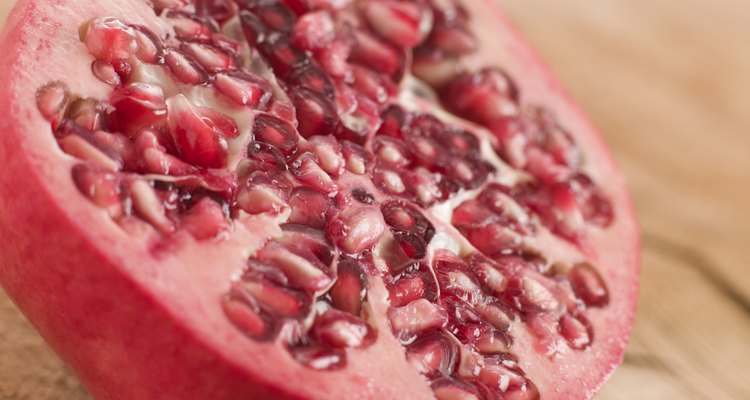
Pomegranates, technically a berry according to the botanical definition, are the second-best source of zinc behind avocados. They possess approximately 1 milligram of zinc per serving. When cut open, the pomegranate reveals dozens of juicy seeds, which can be enjoyed fresh, pressed into juice or dried and sprinkled into trail mix, granola, yogurt or salads. Blackberries follow pomegranates with the third-highest zinc concentration at 0.8 milligram per serving, then raspberries and loganberries, each offering about 0.5 milligram, and finally boysenberries, with 0.3 milligram. Strawberries and other berries contain only trace amounts.
Additional Fruits
bdspn/iStock/Getty Images
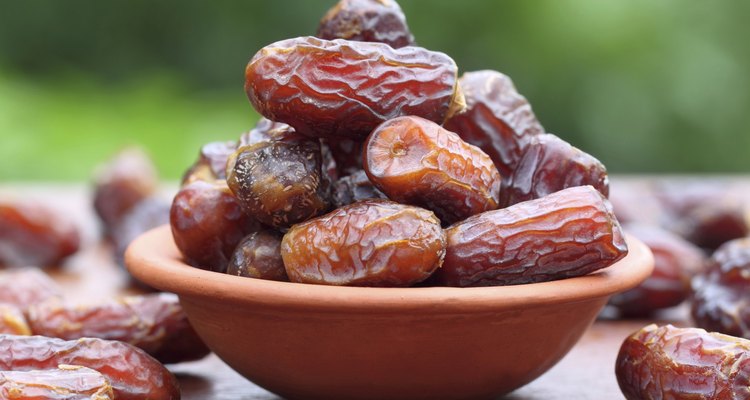
Dates and guavas provide 0.4 milligram of zinc, while blackcurrants and watermelons provide 0.3 milligram. Dried watermelon seeds are a particularly rich fruit source of zinc. Virtually unheard of in Western cuisine, they can be found in some Middle Eastern and Asian grocery stores.
Better Sources
Ruslan Semichev/iStock/Getty Images
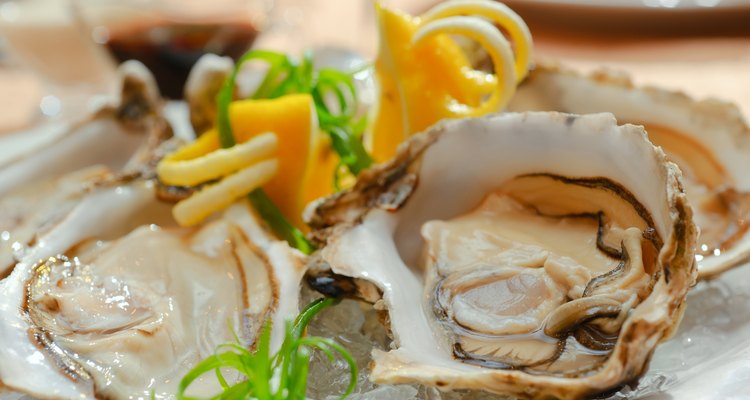
Shellfish and meat are the best sources of zinc. Oysters contain a higher concentration of zinc than any other food – over 70 milligrams per serving. Crab, lobster, beef, pork, lamb and the dark meat of poultry are also rich sources. Foods with moderate quantities of zinc – still higher than that of any fruits – include yogurt, milk, cheese, eggs, nuts and beans. The mineral is also added to many fortified breakfast cereals, as well as sold in the form of supplemental pills and lozenges.
Related Articles

Why Are Date Fruits a Superfood?
What Are the Benefits of Persimmons?
Peanuts Vs. Pistachios
How to Peel Guava
High-Calcium, Low-Phosphorous Foods

Information About the Orange Fruit
Foods High in Fiber & Calcium

Can Oranges Cause Acne?

What Is the PH of Cranberry Juice?

Different Types of Fruits & Vegetables

Nutrition Information on Blueberries

Which Nuts Are Alkaline Forming?

How to Dry Jujube Fruit

Is Wheat Grass an Alkalizing Food?
How to Keep Pomegranate Fresh

Types of Greek Fruits & Vegetables

Alkaline & Acidic Foods & Drinks
Fruits & Vegetables Rich in Potassium ...
Foods From Rainforest Plants

What Type of Sugar Is in Fruit?
References
Writer Bio
Based in western New York, Amy Harris began writing for Demand Media and Great Lakes Brewing News in 2010. Harris holds a Bachelor of Science in Mathematics from Penn State University; she taught high school math for several years and has also worked in the field of instructional design.
Photo Credits
olgakr/iStock/Getty Images