How to Lose Weight by Not Eating Red Meat or Poultry

How to Lose Weight by Not Eating Red Meat or Poultry
Photo Credit Comstock/Comstock/Getty Images

Effective and long-term weight loss occurs from burning more calories than you take in. The healthiest means for reducing your calorie intake involves a combination of cutting calories from food while also burning calories with daily exercise. Eliminating red meat and poultry from your diet reduces your calorie intake from those particular foods, but you also have to limit your consumption of other fatty, high-calorie foods to see results. In changing your dietary habits, you may find that you can still enjoy tasty entrees and get plenty of dietary protein from alternative sources.

Step 1

Ease into your poultry- and red meat-less meals by learning about alternative sources of lower-calorie protein you can eat daily. Protein is an important dietary nutrient that protects your muscles and provides you energy, but you need to consume only 10 percent to 35 percent of your daily calories from protein, according to Mayoclinic.com. Protein is not limited to red meat and poultry; in fact, low-fat and low-calorie plant-based protein sources are plentiful to choose from and include legumes, nuts and soy products.

Step 2

Bake 3 ounces of salmon, halibut, mackerel or tuna and add to your dinner entree twice a week. Fish is a good source of omega-3 fatty acids and protein. It is heart-healthy and low in calories when baked or grilled.

Step 3

Cook a pot of dried beans and portion servings throughout the week into different meals. Black, kidney, soy, pinto and lima beans are plentiful in protein yet still low-calorie to help you reach your weight-loss goals. Limit your bean servings to 1 cup a day to minimize the potential side effects of gas and bloating. Add rinsed black beans to your lunch salad, eat them in a whole-wheat burrito shell or make a bean-and-veggie casserole.

Step 4

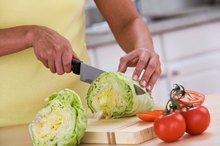
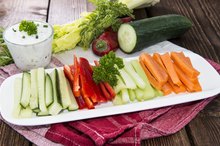
Fill your plate with fresh, steamed or sauteed vegetables. Choose a variety of colorful vegetables to eat daily including spinach, broccoli, greens, squash, red peppers, tomatoes, sweet potatoes, carrots or zucchini. Add a serving of vegetables or natural vegetable juice to each meal and at least one snack in between meals. Use olive oil and herbs to saute your vegetables. Eating more vegetables in your entrees helps you satiate your appetite while helping you limit the high-fat or high-calorie sides you eat.

Step 5

Add a fruit cup to your lunch or mixed berries as a snack in between meals. Apple slices, oranges, melons, strawberries, pomegranate and peaches are low-calorie foods you can incorporate as desserts or snacks. Eat fruits fresh instead of canned or frozen to get the most nutrients and avoid added calories.

Step 6

Eat a bowl of oatmeal with added blueberries for breakfast or as a snack. Oatmeal and whole grains such as whole-wheat bread, brown rice or bran cereal are nutrient-rich, low-calorie and a source of protein you can eat several servings of a day. Avoid refined-grain products with added sugars, colors or flavors to keep your calorie intake low.

Step 7

Grab a small handful of almonds, pistachios or walnuts once a day for a healthy low-fat snack. Limit your serving to once daily because nuts are protein-rich but also add more calories when you eat them excessively.

Tips and Warnings

  • Lose 1 or 2 pounds a week by eating lower calorie foods such as fresh produce and grains while also burning extra calories by working out for 30 minutes a day. Replacing fatty red meat, high-calorie fried chicken and processed foods by eating more produce a day and working out can help you reduce your calorie intake by 500 to 1,000 a day. After meeting your weight-loss goals, maintain your progress by continuing a primarily plant-based diet that includes nuts, fish and limited monthly servings of red meat or poultry, such as the Mediterranean-style diet.
  • Consult your physician before starting a diet for weight loss and to discuss nutrient needs you may need to consider when cutting out red meat and poultry from your diet. Avoid using butter, lard, margarine and fatty oils, which are high in calories and fat.

References

Article reviewed by DawnF Last updated on: Sep 9, 2011

Must see: Photo Galleries

Member Comments