List of Starchy Foods to Avoid
Starches are complex carbohydrates that can be excellent sources of energy for your body, but many foods with starches are unhealthy. They can be low in essential nutrients or high in calories, fat and sugars. Select starchy foods such as beans, whole grains and starchy vegetables to increase your nutrient intake and help meet your calorie needs.
Limit Refined Grains
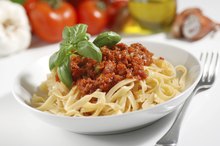
While whole grains contain the germ, bran and endosperm components of the whole grain, refined grains undergo processing to remove the germ and bran components. Whole grains are naturally high in dietary fiber, magnesium, iron and B vitamins. Refined grains, such as white bread, pasta and rice, are not as nutritious. A 1-ounce slice of white bread contains 10 grams of starch, and a cup of cooked white pasta contains 36 grams of starch.
Skip the Fried Foods
Complex Carb List
Learn More
Fried foods can contain artificial trans fats that can form during the process of raising cooking oils to very high temperatures. Trans fats are not essential to the diet, and consuming them raises your LDL cholesterol levels and risk of heart disease. For exaple, a 4-ounce portion of French fries contains 45 grams of starches. Other fried foods that contain starches are doughnuts and breaded foods, such as onion rings and fried shrimp.
Sugars and Starches
Grain-based desserts, such as cakes, pies and cookies, are among the top sources of calories in the diet of the average American. They contain starches because of the flour that they contain, and they also contain added sugars because of their sugar, honey, corn syrup or other caloric sweeteners. Frequent consumption of sugary and starchy foods can increase your risk for tooth decay, but you can lower your risk by rinsing your mouth with water after you consume such foods.
Considerations
List of High-Carb Foods to Avoid
Learn More
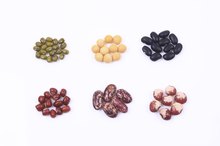
Some starchy foods are naturally rich in nutrients, and they fit into a balanced diet. These include beans, such as garbanzo, kidney, pinto and black beans; starchy vegetables, such as sweet potatoes; acorn squash; green peas and corn; and whole grain products, such as oatmeal and whole-wheat bread. Prepare these foods in healthy ways to avoid extra calories or unhealthy nutrients. For example, cook beans in water without adding salt, and sweeten your oatmeal with cinnamon and fruit instead of sugar. Starchy foods such as refined grains and sugary baked goods can cause unhealthy spikes in your blood sugar levels and cause you to become hungry again soon after a meal. In contrast, foods that are high in dietary fiber, such as legumes, vegetables and whole grains, are slower to digest and have less of an effect on your blood sugar levels. Consuming these health starches can help you control your weight.
Related Articles

Complex Carb List
Learn More
List of High-Carb Foods to Avoid
Learn More

Symptoms of Low Blood Pressure After Exercise
Learn More

The Carbohydrates in Glazed Doughnuts
Learn More
Oats & Carbohydrates
Learn More

Which Types of Pasta Raise Blood Sugar?
Learn More
Can Diabetics Eat Rye Bread & Pumpernickel Bread?
Learn More
List of Slow-Release Carbohydrate Foods
Learn More

Why Do I Get Shaky When I Eat Sugar?
Learn More
List of Slow & Fast Carbs
Learn More
References
Writer Bio
Natalie Stein specializes in weight loss and sports nutrition. She is based in Los Angeles and is an assistant professor with the Program for Public Health at Michigan State University. Stein holds a master of science degree in nutrition and a master of public health degree from Michigan State University.